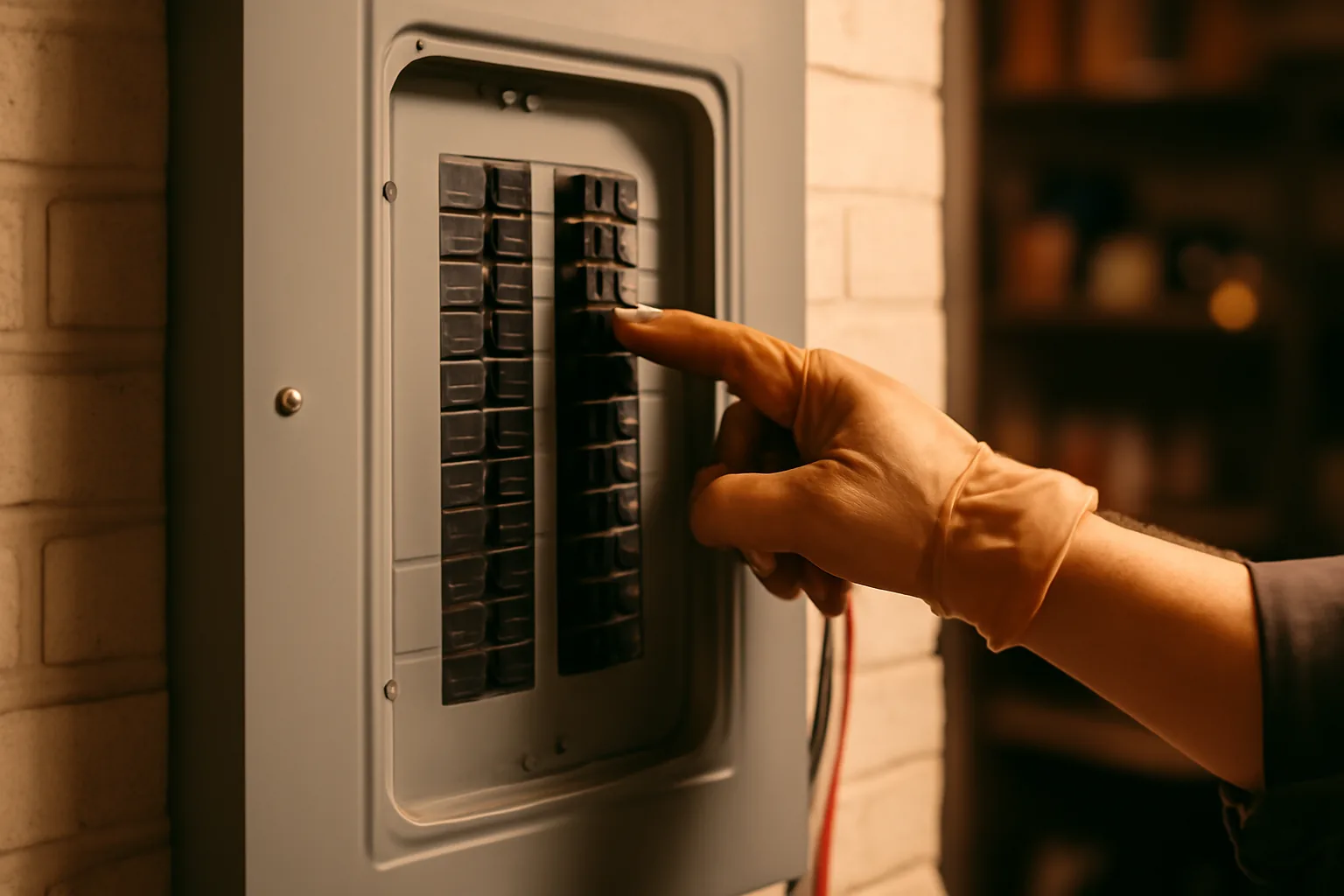

Last August, I got a call from a homeowner in my area who was completely stumped. Her kitchen lights dimmed every time the microwave kicked on. Her garage door opener had started acting sluggish. Her HVAC unit tripped the breaker twice in one week. She thought her appliances were dying. I knew immediately — after twelve years as a licensed electrician — that her appliances weren’t the problem. Her 100-amp panel was screaming for help. If you’ve been Googling “100 amp panel upgrade signs,” you’re probably in a similar situation. And I want to give you the honest, field-tested answer that her appliances couldn’t.
Here’s the misconception I run into constantly: homeowners assume a 100-amp service is always inadequate for modern homes. That’s not quite right. A 100-amp panel can absolutely handle a modest home with gas appliances, minimal EV charging needs, and no major electrical additions. However, when you start layering on electric ranges, EV chargers, heat pumps, and home offices with heavy equipment loads, the math changes fast. Knowing the difference between “this panel is working fine” and “this panel is a liability” is exactly what this post is about.
What a 100-Amp Panel Is Actually Designed to Handle
A 100-amp service panel delivers a maximum of 100 amperes at 240 volts — roughly 24,000 watts of total capacity. That sounds like a lot. In practice, you can’t run everything at full load simultaneously, and demand calculations factor in usage patterns. Under the NEC (National Electrical Code) load calculation method in Article 220, a 100-amp service is typically adequate for homes up to about 1,500 square feet with gas cooking, gas heat, and a standard appliance load.
The trouble starts when homes evolve. Most 100-amp panels were installed 30 to 50 years ago, when homes had far fewer electrical demands. Back then, a window AC unit was a luxury. Today, a mini-split heat pump, two EV chargers, and a tankless electric water heater can push a 100-amp service to its absolute limit — and sometimes beyond it. In my experience, the panel itself rarely fails dramatically. It just quietly becomes a bottleneck, and the symptoms show up in frustrating, indirect ways.
The Real 100 Amp Panel Upgrade Signs I Watch For
This is the core of what I tell every homeowner who sits down with me for an electrical audit. These aren’t hypothetical warning signs. These are the things I see in the field, in real houses, in neighborhoods I’ve worked in for over a decade.
1. Breakers That Trip Repeatedly Without an Obvious Cause
A breaker that trips once during a storm or after a power surge? That’s normal protection doing its job. A breaker that trips every Tuesday when you run the dishwasher and the dryer at the same time? That’s a load problem. I’ve pulled apart panels where the same 20-amp breaker had been reset so many times the toggle felt loose from overuse. That’s a red flag. Repeated tripping on a circuit that isn’t visibly overloaded tells me the total panel load is pushing the service to its ceiling.
2. Lights Dimming When Large Appliances Start
This one is almost diagnostic on its own. When your refrigerator compressor kicks on and the kitchen lights flicker, that’s called a voltage drop event. It’s caused by a large inrush current pulling more amperage than the service can cleanly deliver. Occasional, very brief dimming can be normal. Consistent, noticeable dimming is a sign your service is undersized for the combined load. I’ve seen this pattern in four homes this year alone — and three of them needed panel upgrades.
3. No Space Left in the Panel for New Circuits
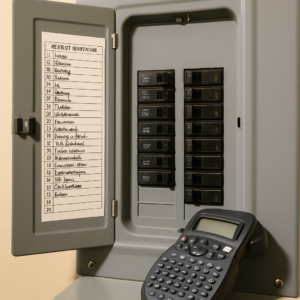
I get calls regularly from homeowners who want to add a circuit for a home gym, a workshop, or a new bathroom. I open the panel and there’s literally nowhere to put a new breaker. Tandem breakers stuffed into every slot. Double-tapped breakers — which violate NEC 408.41 in most configurations. No physical space left. When a panel has no room to grow, it’s time to either upgrade to a larger panel or install a properly sized sub-panel to handle the new loads.
4. You’re Adding a Major Load — EV Charger, Heat Pump, or Induction Range
A Level 2 EV charger alone draws 30 to 50 amps continuously. A heat pump system can add another 20 to 40 amps of demand depending on its size. An induction range runs on a 40 to 50-amp circuit. Add those together and you’ve potentially added 90 to 140 amps of new demand to a panel with only 100 amps of total capacity. The math simply doesn’t work. In these situations, a service upgrade to 200 amps is almost always the right call — not a workaround.
5. The Panel Itself Is Old, Recalled, or Shows Physical Damage
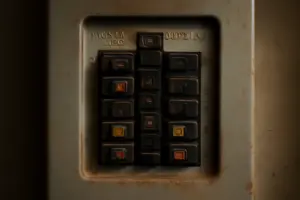
I learned this one the hard way early in my career. I got called to a house where the homeowner kept losing power to a bedroom. I expected a tripped breaker. Instead, I found a Federal Pacific Electric Stab-Lok panel — one of the most widely recalled panel brands in history — with a breaker that had literally fused in the “on” position and stopped conducting properly. Federal Pacific, Zinsco, and certain pushmatic panels have documented failure histories. If your 100-amp panel is one of these brands, age and capacity are secondary issues. Safety is the primary concern, and replacement is non-negotiable in my professional opinion.
When a Sub-Panel Is the Right Solution Instead
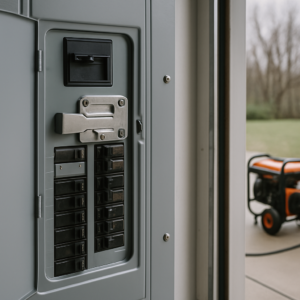
Not every situation calls for a full service upgrade. Sometimes, the 100-amp service is adequate, but the existing panel simply doesn’t have room for a new circuit or two. In those cases, adding a sub-panel fed from the main panel is a cost-effective and code-compliant solution. Sub-panels are especially common when running power to a detached garage, a basement workshop, or an addition that’s physically distant from the main panel.
A sub-panel doesn’t increase your total amperage from the utility. It just re-distributes what you already have more efficiently. For example, I recently installed a sub-panel for a client who wanted to power a workshop with a table saw, dust collector, and lighting. His main panel had no space, but his total load calculations showed he had headroom on the service. A 60-amp feeder to the shop solved everything without a $3,000 to $5,000 service upgrade.
The Panel That Finally Stopped the Breaker Nuisance
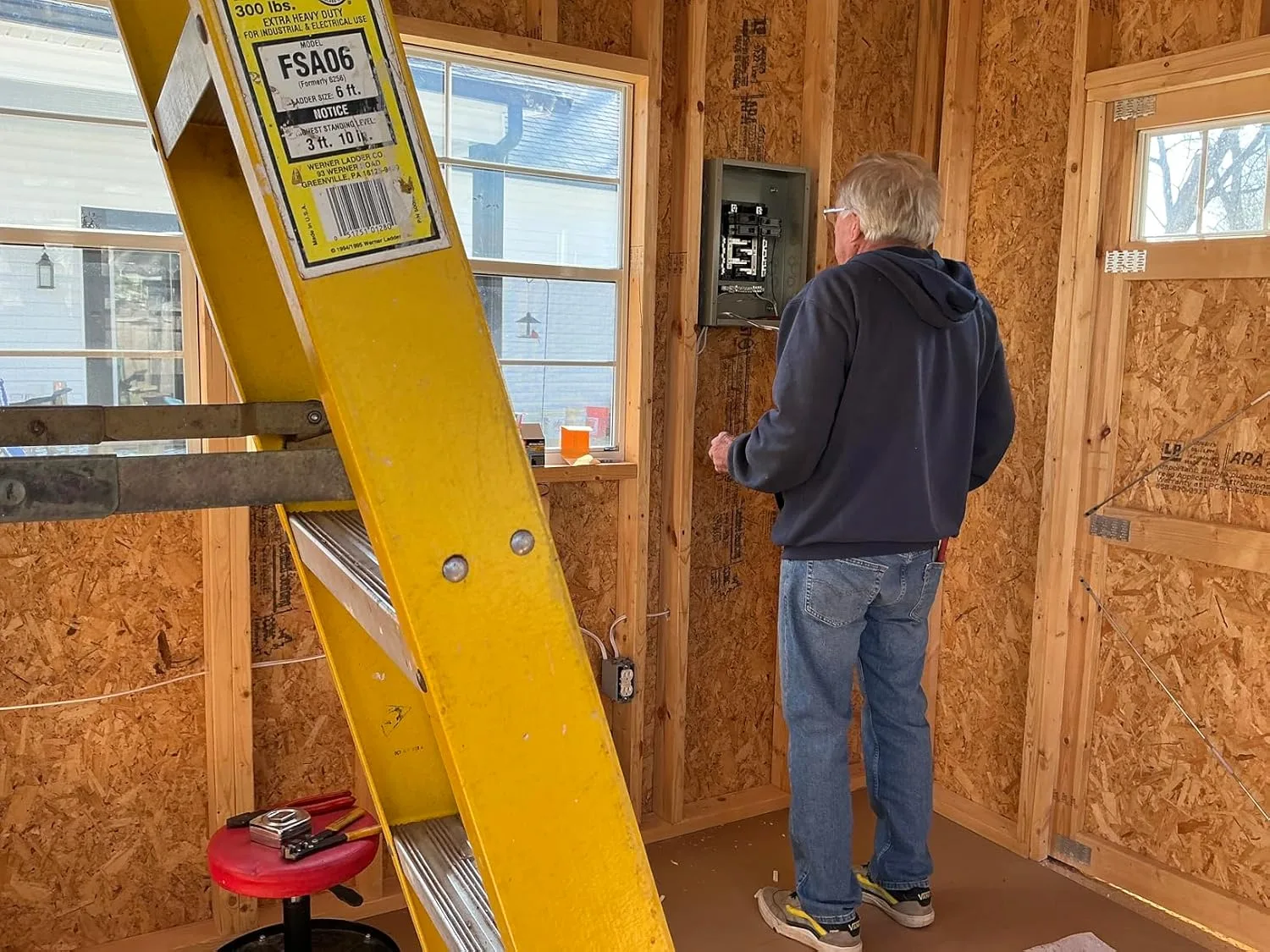
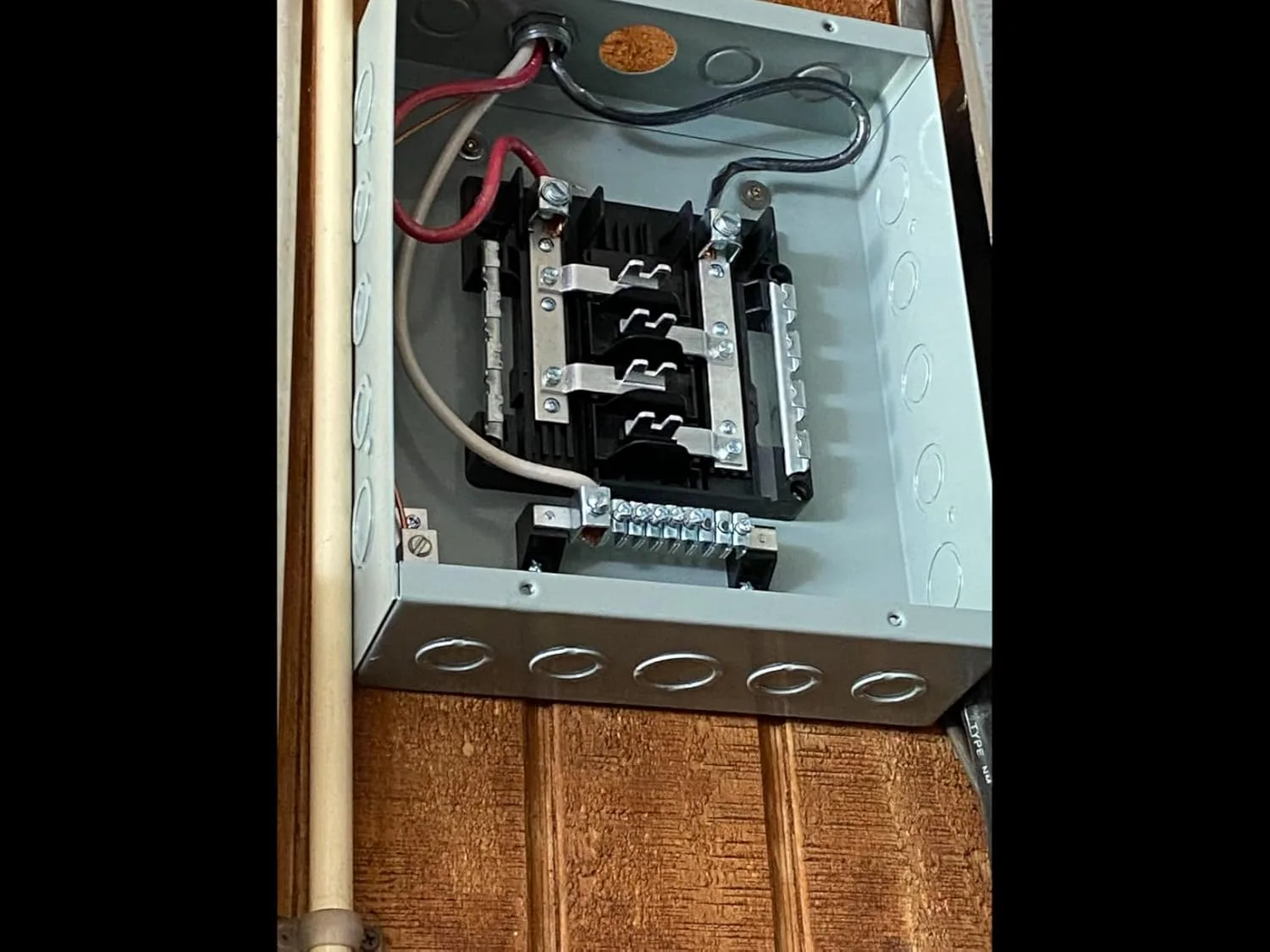
When a 100-amp panel starts failing, you need a direct replacement that handles modern loads without cutting corners on capacity or safety. The THQL gives you the breathing room to add circuits and run high-demand appliances simultaneously—something the undersized original panel could never do.
What works
- 125-amp rated capacity handles the jump from 100 amps without overbuilding, keeping installation costs reasonable while future-proofing against added circuits.
- 8-space design gives you room to consolidate tandem breakers and add new circuits for that second refrigerator or EV charger without immediately maxing out.
- Main lug configuration means you keep your existing service entrance intact—no need to call the utility company to swap the meter or disconnect, which saves days of waiting.
What doesn’t
- 8 spaces fills up faster than you’d think if you’re running a lot of 240V circuits (dryer, oven, heat pump)—plan your breaker layout carefully before ordering.
- Still requires a licensed electrician to install in most jurisdictions; this isn’t a DIY-friendly swap like replacing a single breaker.
I’ll be honest—the first panel I spec’d for a kitchen-dimming case was slightly undersized for what the homeowner actually needed down the road. That’s when I switched to this THQL model. Grab the THQL Circuit Breaker Panel — 8-Space, 125A Distribution Box, 120V/240V Indoor Main Lug Load Center and make sure it gets installed by someone who knows how to size the main breaker correctly for your service entrance.
This post contains affiliate links. As an Amazon Associate, I earn from qualifying purchases at no extra cost to you.
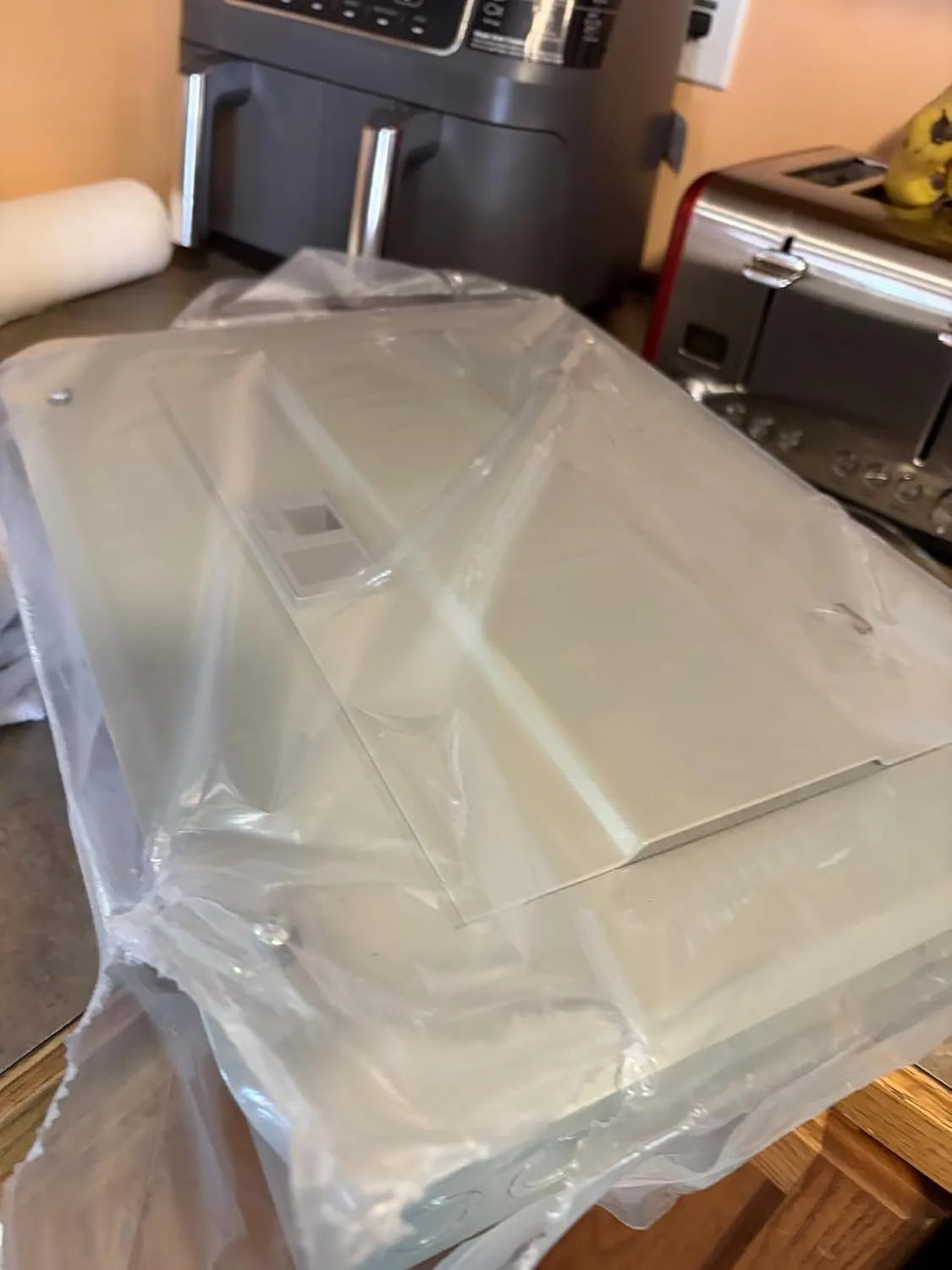
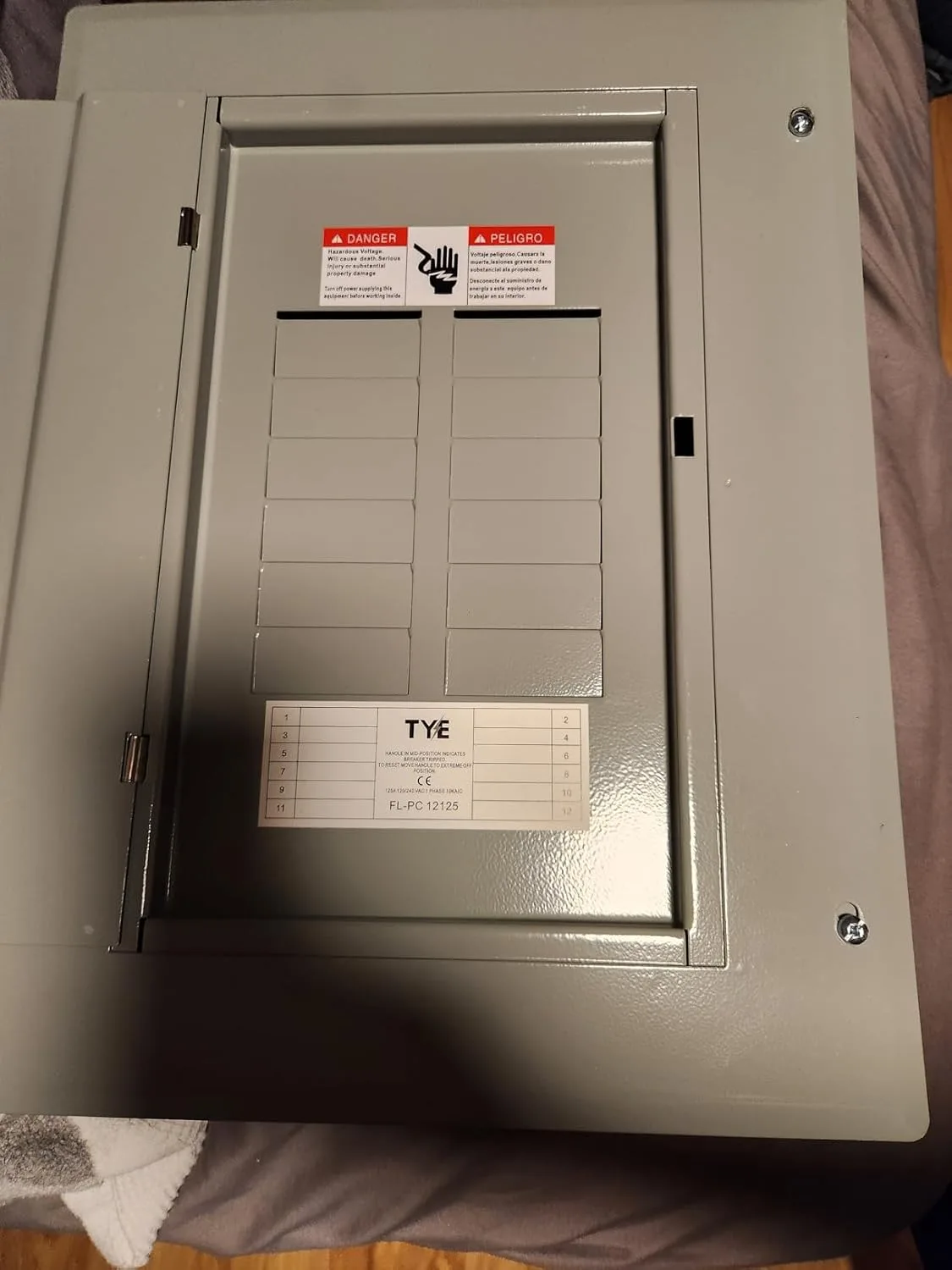
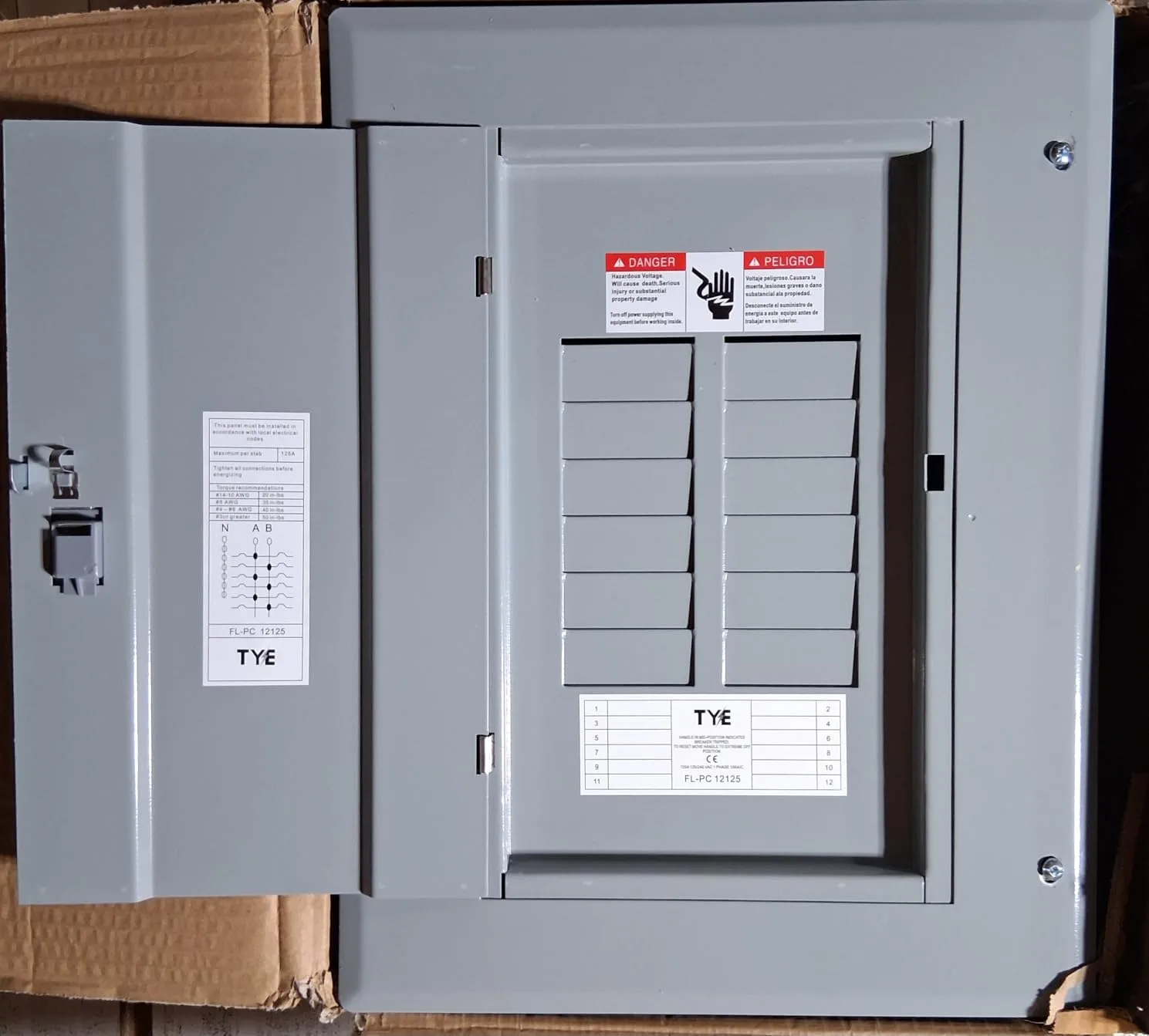
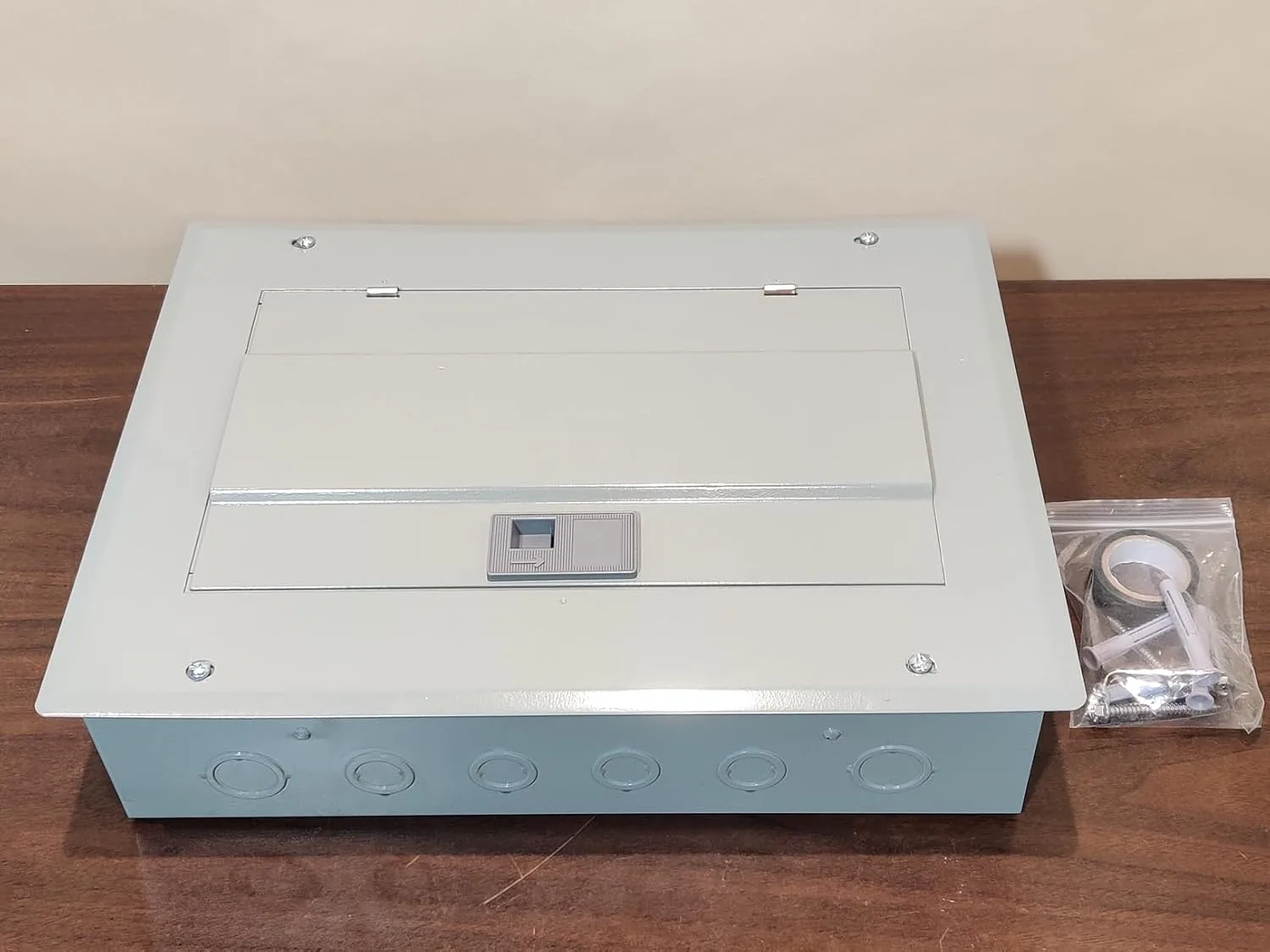
THQL Circuit Breaker Panel — 8-Space, 125A Distribution
I spec this when a 100-amp panel is full but rewiring the service entrance isn’t practical yet.
Check Price on Amazon →