Federal Pacific and Zinsco Panels: Why I Replace Them on Sight

The Panel I Now Recommend After Years of Installations

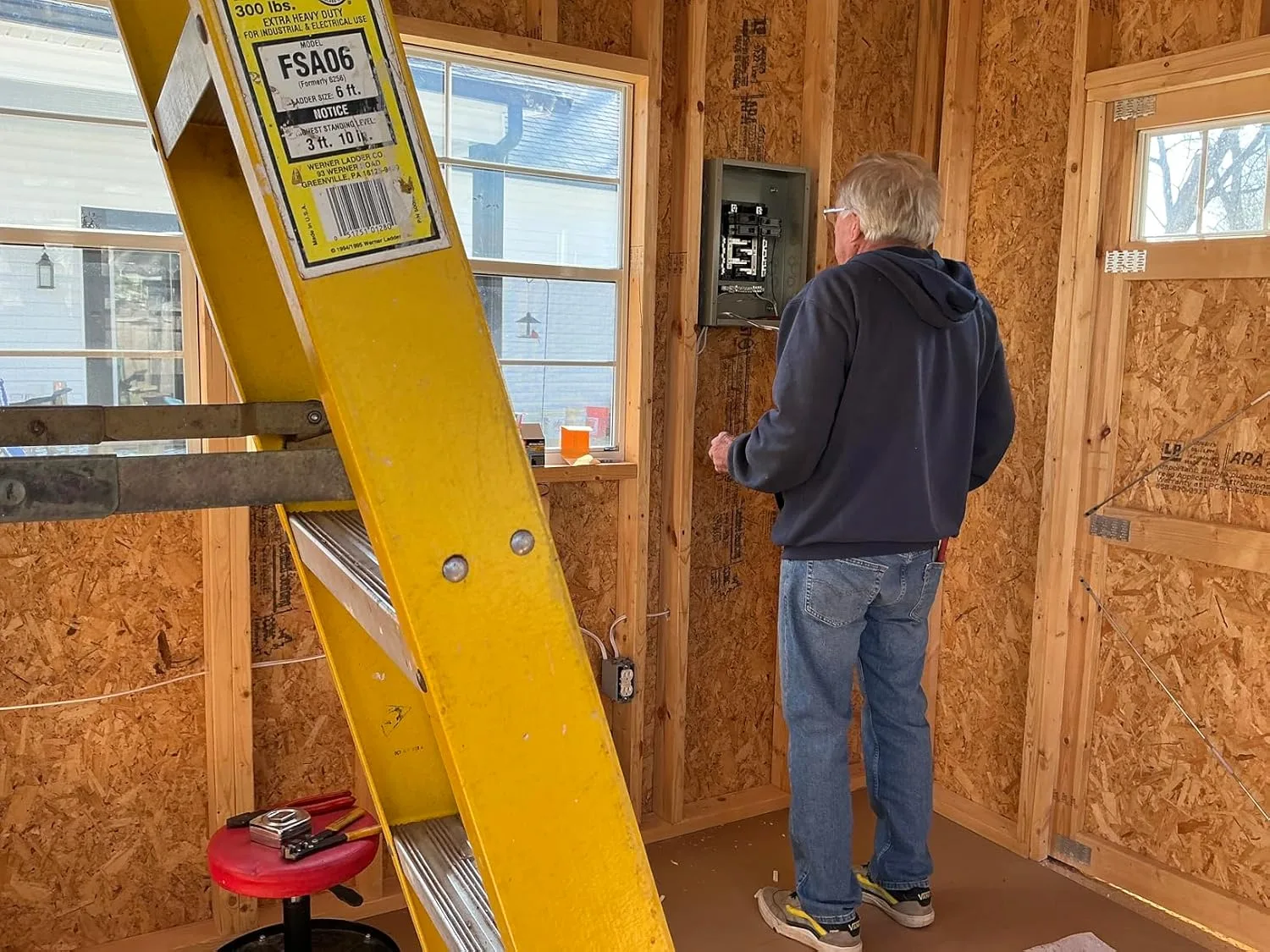
When customers ask what I’m putting in to replace their old panel, I walk them through options based on their situation. For smaller detached structures — workshops, garages, home additions, accessory dwelling units — a properly sized sub-panel is often the right call rather than upsizing the main service.

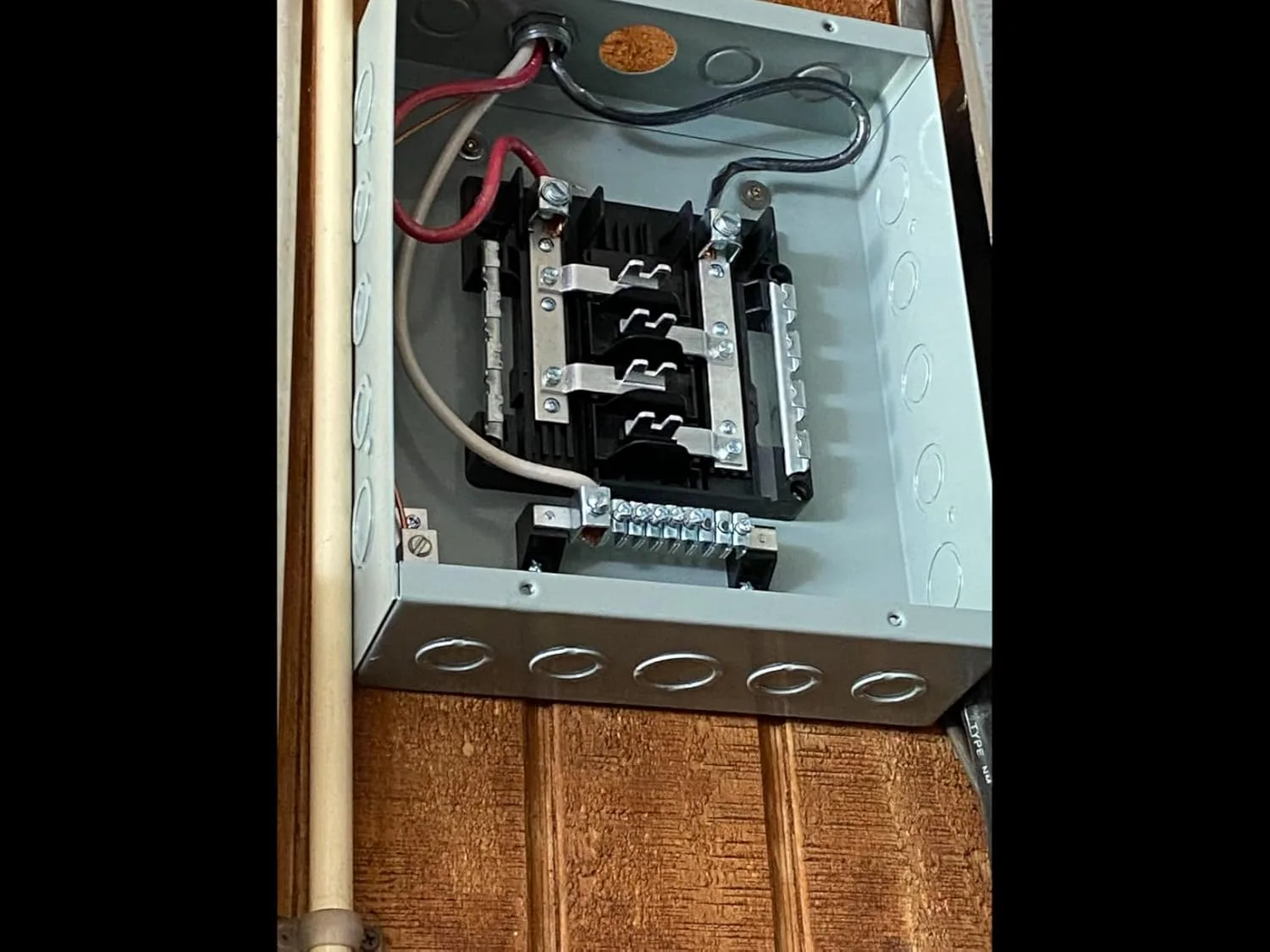
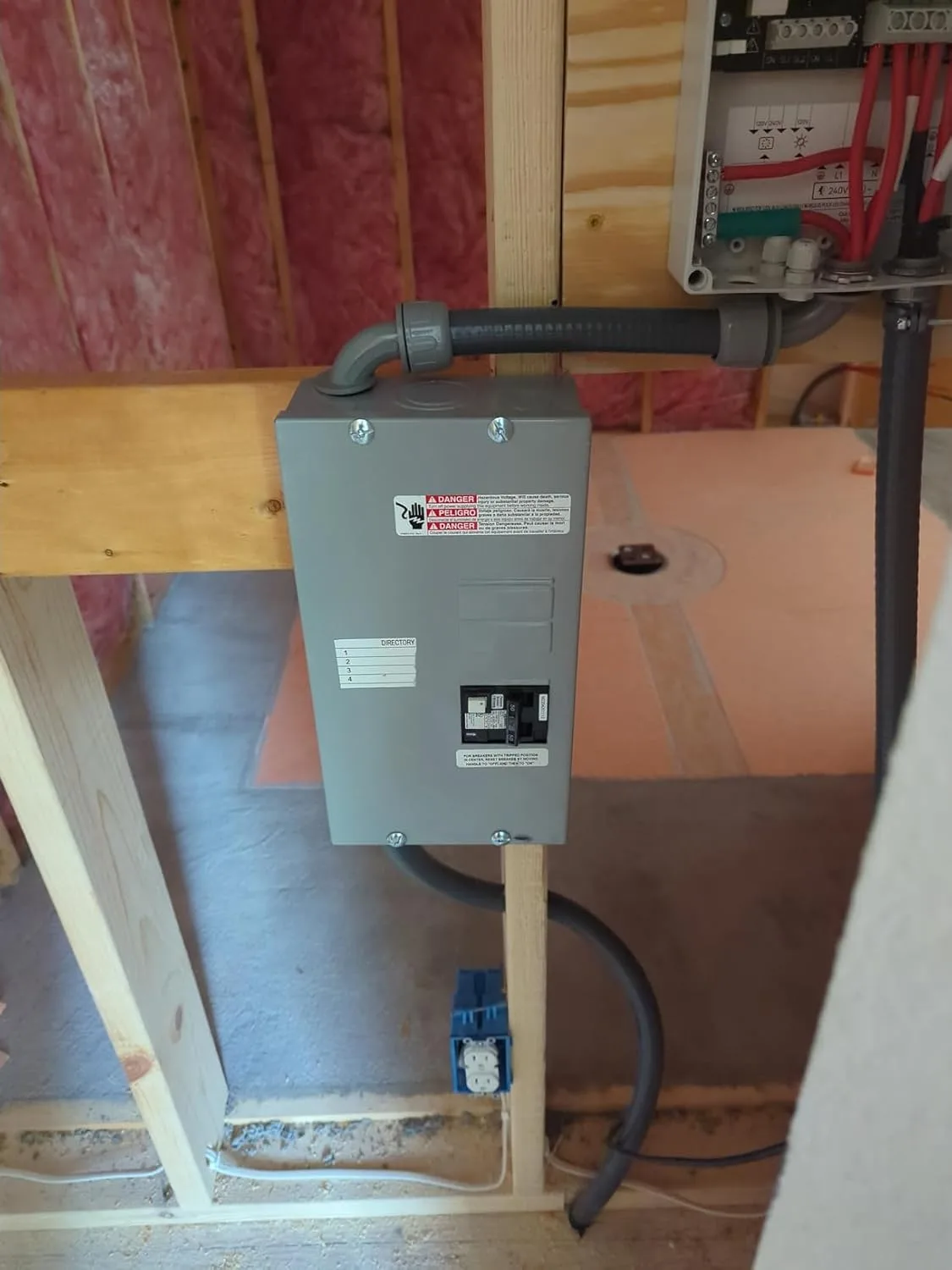
For those applications, I’ve been recommending the THQL Circuit Breaker Panel, 8-Space, 125A Distribution Box. This is an indoor main lug load center rated for 120V/240V service, with 8 spaces that handle up to 16 circuits with tandem breakers. At 125 amps, it’s sized right for a substantial workshop load or a well-appointed accessory structure.

I used this panel last fall when I wired a client’s detached garage studio — 240V for a mini-split, 120V lighting circuits, and four general-purpose circuits for her art equipment. The enclosure is solid, the bus bar connections are clean, and the labeling inside is clear. Installation was straightforward. The main lug design means it feeds from a breaker in the main panel, which is exactly how a sub-panel should be configured.

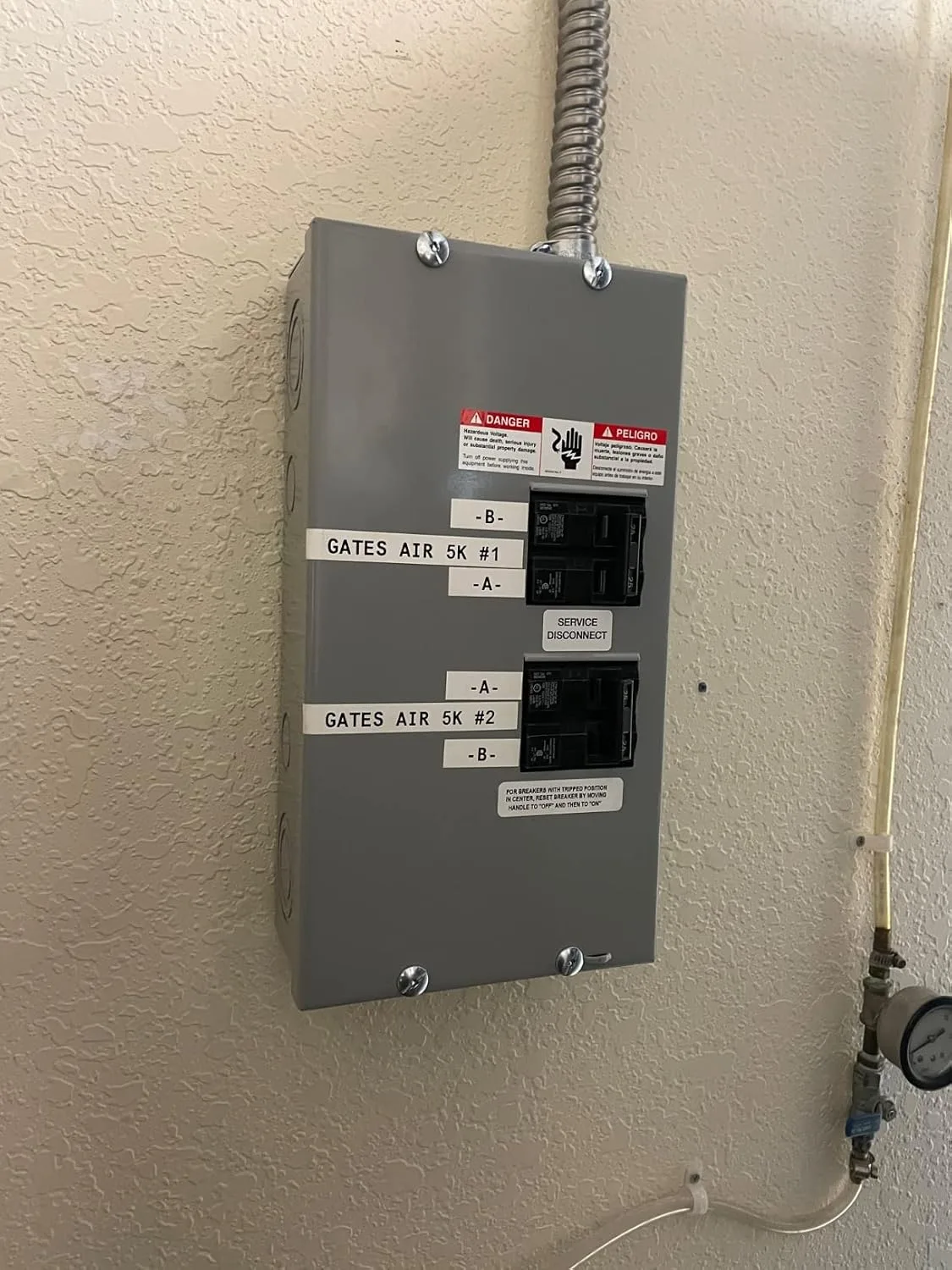
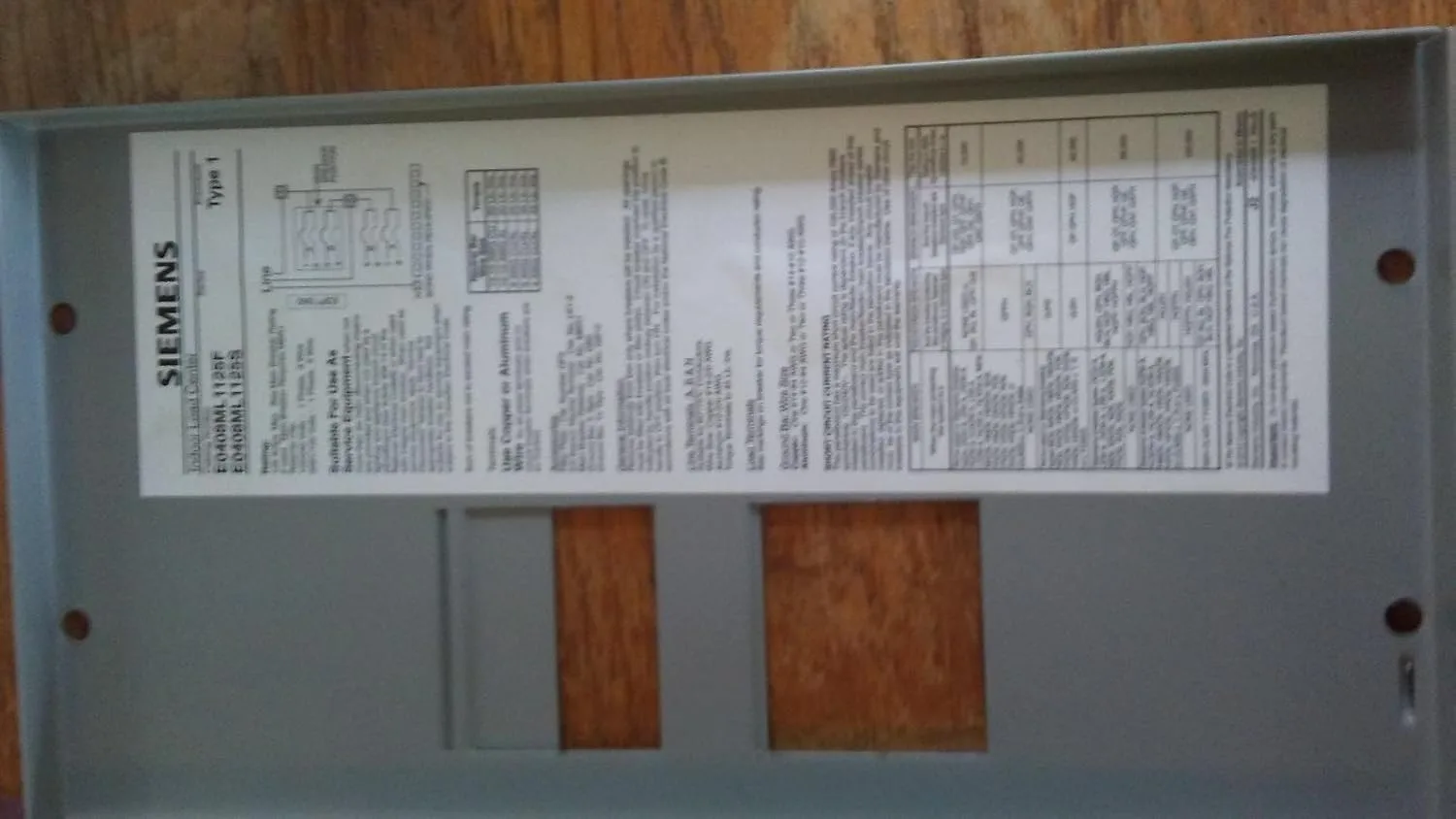
If you’re working with a tighter budget or need fewer circuits, the Siemens E0408ML1125SU 4-Space, 8-Circuit, 125A Main Lug Load Center is a reliable runner-up. Siemens makes excellent hardware — I’ve installed dozens of their panels without issue. The 4-space version is ideal for very simple sub-panel scenarios where you only need a handful of circuits.

Why Main Lug Matters for Sub-Panel Applications

New electricians sometimes confuse main breaker panels with main lug panels. Here’s the short version: a main lug panel has no built-in main breaker. It relies on overcurrent protection upstream — typically a dedicated breaker in your main service panel. For sub-panel installations, this is correct per NEC 225.32 and 230.70. The main breaker stays at the primary service point.

Specifically, that means running properly sized conductors from a dedicated breaker in your main panel to the sub-panel’s lug terminals. Wire sizing depends on load and distance. For a 125-amp sub-panel, you’re typically looking at 1 AWG copper or 2/0 AWG aluminum for the feeder. Always verify with your local code and a voltage drop calculation for longer runs.

I Learned This the Hard Way: The Zinsco That Almost Got Me

I promised an honest story, so here it is. Early in my career — year two, maybe three — I was replacing a Zinsco panel in a 1968 two-story home. I’d done a few by then and felt confident. I shut off the main breaker, tested with my non-contact tester, got nothing. Started pulling breakers out of the bus bar.

One breaker didn’t want to come out. I put a little more force into it. The entire bus bar shifted. What I didn’t know was that the oxidation had fused that breaker so tightly that pulling it was essentially pulling on the bus structure itself. The movement caused a brief arc. Nothing catastrophic — but I felt it. My heart rate tripled in about half a second.

After that day, I changed my Zinsco procedure completely. Now I require a full utility disconnect at the meter before any Zinsco work begins — not just the main breaker off. The internal components are so degraded and unpredictable that I won’t trust them to isolate power safely. That single experience added a step to every Zinsco job I’ve done since. Twelve years later, I still do it that way.

The lesson: these panels don’t behave like normal equipment. They’re degraded, corroded, and unpredictable. Treat them accordingly.

When to Call a Pro — and When You Can DIY

I’ll be straightforward here. Main panel replacement is not a DIY project. Full stop. It involves working near or inside the service entrance, where conductors from the utility are live even when your main breaker is off. Those conductors can carry 200 amps or more. Contact with them is potentially fatal. This work requires a licensed electrician and a permit in every U.S. jurisdiction I’m aware of.

Sub-panel installation is a different conversation. In some states, licensed homeowners can pull a permit and install their own sub-panel. However, the rules vary widely. Check with your local Authority Having Jurisdiction (AHJ) before starting. If you’re permitted to do it yourself, you still need the permit and inspection — no exceptions.

For the THQL or Siemens panels I mentioned above, a competent DIYer with electrical experience can handle the physical installation inside a detached structure once the feeder is properly run. That said, feeder sizing, conduit fill calculations, and grounding/bonding requirements trip up even experienced hobbyists. When in doubt, call a pro for at least a consultation. A one-hour consultation with a licensed electrician typically costs $100 to $200. That’s cheap insurance.

Red Flags That Demand Immediate Professional Attention

  • Breakers that feel warm or hot to the touch
  • Any burning smell coming from the panel area
  • Breakers that won’t reset or trip without apparent cause
  • Visible scorching, discoloration, or melted plastic inside the panel
  • Flickering lights throughout the home (not just one circuit)
  • Any Zinsco or Federal Pacific panel, regardless of apparent condition

If you see any of these, don’t wait for a convenient appointment time. Call today.

Final Thoughts on Federal Pacific Panel Replacement

After 12 years and more panel replacements than I can count, my position hasn’t changed: Federal Pacific panel replacement isn’t optional. Neither is Zinsco removal. These panels failed at their fundamental purpose. No amount of wishful thinking changes that engineering reality.

If you have one of these panels, the path forward is clear. Get a licensed electrician to assess the situation and provide a replacement quote. Budget $1,800 to $3,500 for a full service replacement. Check with your insurance carrier — many now require documentation of panel replacement to maintain coverage.

For sub-panel work on detached structures or additions, I stand behind the THQL 8-Space 125A Distribution Box as my current go-to recommendation. It’s solid hardware at a fair price point. The Siemens E0408ML1125SU is the smart choice when you need fewer circuits and want proven brand reliability at a lower cost.

Your electrical panel is the heart of your home’s power system. It deserves the same attention you’d give any other critical safety system. Don’t inherit someone else’s dangerous shortcut. Replace it, permit it, inspect it, and sleep better knowing the job was done right.

This post contains affiliate links. As an Amazon Associate, I earn from qualifying purchases at no extra cost to you.
Three years ago, I walked into a 1974 ranch-style home for a routine panel inspection. The homeowner wanted to add a hot tub circuit. Before I even touched a screwdriver, I spotted the label: Federal Pacific Electric. I told her straight — no hot tub until we talk about Federal Pacific panel replacement. She looked at me like I’d told her the house was haunted. Honestly? That’s not far off.

Federal Pacific and Zinsco panels are two of the most dangerous electrical panels ever installed in American homes. Millions of them are still in service right now. Homeowners use them every single day without knowing the risk they’re living with. I’ve replaced hundreds of these panels across my 12-year career, and I’ll tell you exactly why I won’t leave one installed when I find it.

This isn’t fear-mongering. This is pattern recognition built from real job sites, real failures, and one experience that I’ll share later in this post that genuinely rattled me. If you have one of these panels, keep reading. This might be the most important electrical article you read this year.

What Makes Federal Pacific and Zinsco Panels So Dangerous

Let’s start with the core problem. Circuit breakers have one critical job: trip when there’s an overload or short circuit. That’s it. When they fail at that job, heat builds unchecked. Wiring melts. Fires start inside walls where nobody sees them until it’s too late.

Federal Pacific Electric (FPE) Stab-Lok panels were manufactured from the 1950s through the 1980s. Testing by the Consumer Product Safety Commission and independent researchers — including a widely cited study by Dr. Jesse Aronstein — found that FPE Stab-Lok breakers failed to trip under overload conditions at alarming rates. Some single-pole breakers failed to trip up to 51% of the time in testing. That’s not a minor defect. That’s a coin-flip between safety and a house fire.

Zinsco panels, also called GTE-Sylvania in some markets, have a different failure mode but an equally serious outcome. The aluminum bus bars corrode and oxidize over time. Breakers fuse — literally weld — to the bus bar. When that happens, the breaker can’t trip at all. I’ve pulled Zinsco panels apart and found breakers that were completely seized. One tug, and the whole bus bar moved with the breaker. That’s terrifying.

How to Identify These Panels

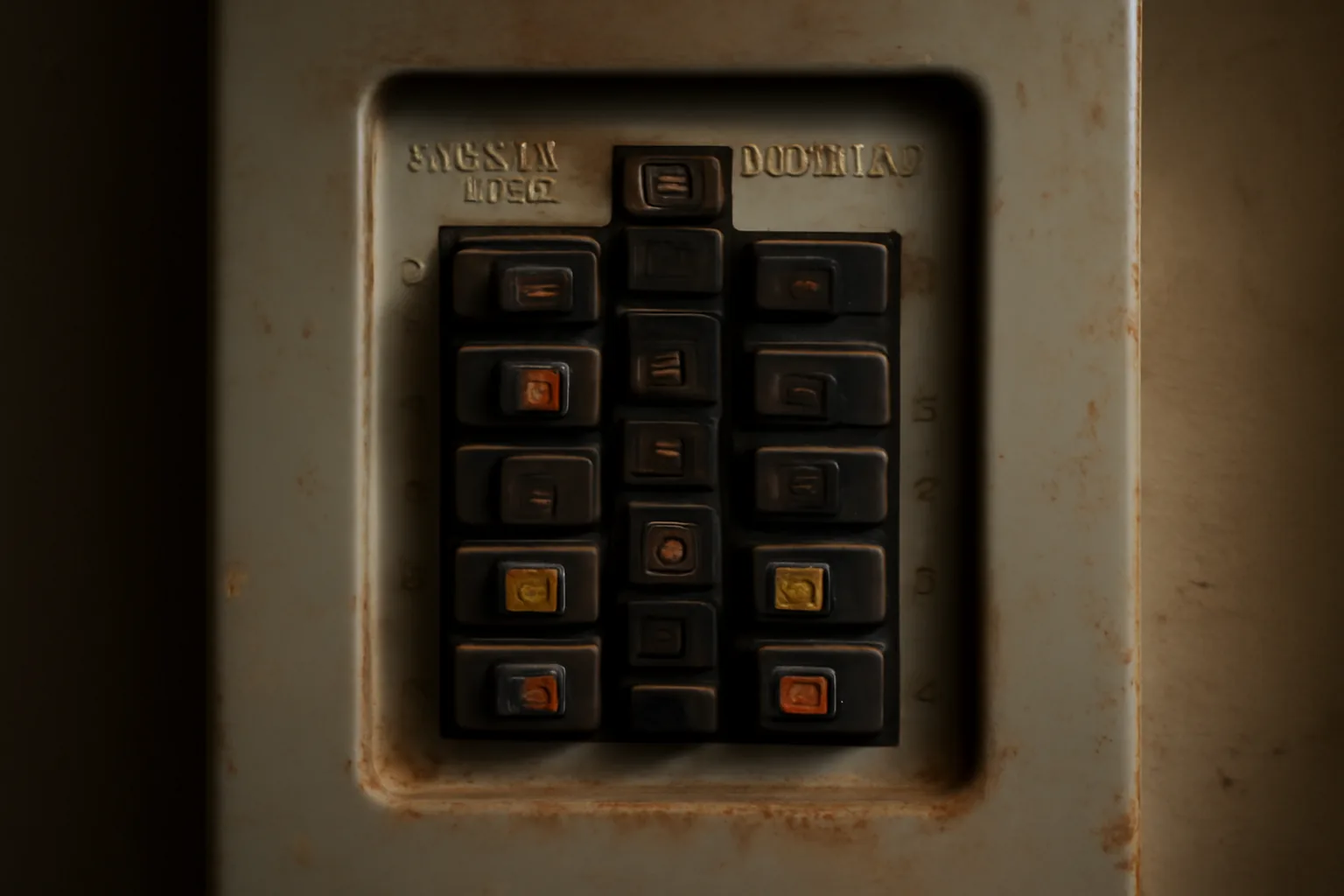
Knowing what to look for matters. Federal Pacific panels usually have the “Stab-Lok” name printed inside the door. The breakers have a distinctive red stripe running across them. Zinsco panels are often identifiable by their colorful breaker handles — pink, green, blue, yellow. The brand name “Zinsco” or “GTE-Sylvania” typically appears on the panel door or interior label.

If your home was built between 1950 and 1990 and you’ve never replaced your panel, you need to open that door and look. In my experience, about one in six homes I inspect in that age range still has one of these panels. That number genuinely surprises people.

The Federal Pacific Panel Replacement Reality: Costs and Timeline

Here’s where I’ll give you the practical information other articles skip. Replacement costs vary by region, panel size, and existing wiring condition. However, in my market in the mid-Atlantic region, a complete Federal Pacific panel replacement typically runs between $1,800 and $3,500 installed. That includes the new panel, breakers, labor, permit fees, and utility coordination for the service disconnect.

For most homes, the job takes one full day. I usually schedule 6 to 8 hours for a standard 200-amp service with 30 to 40 circuits. Older homes with aluminum branch circuit wiring add complexity and time. Expect a permit inspection within 2 to 5 business days after installation, depending on your jurisdiction.

Homeowners sometimes push back on cost. I get it — $2,500 is real money. However, consider this: the Insurance Information Institute links faulty electrical panels to over 51,000 home electrical fires annually in the U.S. Many insurers now refuse to write new policies on homes with FPE or Zinsco panels. Some will cancel existing policies at renewal. The cost of replacement is always lower than the cost of a claim — or worse, a loss.

What Replacement Actually Involves

The process starts with pulling a permit. This is non-negotiable. Any electrician who offers to skip the permit is offering to cut a corner that protects your family. The utility company disconnects service at the meter. The old panel comes out completely — every wire labeled, every circuit documented.

The new panel goes in, circuits get reconnected, and everything gets inspected before power is restored. NEC Article 230 and Article 408 govern service entrance and panelboard installations. Your local jurisdiction may have additional requirements. A licensed electrician will know them. This isn’t a gray area.

The Panel I Now Recommend After Years of Installations

When customers ask what I’m putting in to replace their old panel, I walk them through options based on their situation. For smaller detached structures — workshops, garages, home additions, accessory dwelling units — a properly sized sub-panel is often the right call rather than upsizing the main service.

For those applications, I’ve been recommending the THQL Circuit Breaker Panel, 8-Space, 125A Distribution Box. This is an indoor main lug load center rated for 120V/240V service, with 8 spaces that handle up to 16 circuits with tandem breakers. At 125 amps, it’s sized right for a substantial workshop load or a well-appointed accessory structure.

I used this panel last fall when I wired a client’s detached garage studio — 240V for a mini-split, 120V lighting circuits, and four general-purpose circuits for her art equipment. The enclosure is solid, the bus bar connections are clean, and the labeling inside is clear. Installation was straightforward. The main lug design means it feeds from a breaker in the main panel, which is exactly how a sub-panel should be configured.

If you’re working with a tighter budget or need fewer circuits, the Siemens E0408ML1125SU 4-Space, 8-Circuit, 125A Main Lug Load Center is a reliable runner-up. Siemens makes excellent hardware — I’ve installed dozens of their panels without issue. The 4-space version is ideal for very simple sub-panel scenarios where you only need a handful of circuits.

Why Main Lug Matters for Sub-Panel Applications

New electricians sometimes confuse main breaker panels with main lug panels. Here’s the short version: a main lug panel has no built-in main breaker. It relies on overcurrent protection upstream — typically a dedicated breaker in your main service panel. For sub-panel installations, this is correct per NEC 225.32 and 230.70. The main breaker stays at the primary service point.

Specifically, that means running properly sized conductors from a dedicated breaker in your main panel to the sub-panel’s lug terminals. Wire sizing depends on load and distance. For a 125-amp sub-panel, you’re typically looking at 1 AWG copper or 2/0 AWG aluminum for the feeder. Always verify with your local code and a voltage drop calculation for longer runs.

I Learned This the Hard Way: The Zinsco That Almost Got Me

I promised an honest story, so here it is. Early in my career — year two, maybe three — I was replacing a Zinsco panel in a 1968 two-story home. I’d done a few by then and felt confident. I shut off the main breaker, tested with my non-contact tester, got nothing. Started pulling breakers out of the bus bar.

One breaker didn’t want to come out. I put a little more force into it. The entire bus bar shifted. What I didn’t know was that the oxidation had fused that breaker so tightly that pulling it was essentially pulling on the bus structure itself. The movement caused a brief arc. Nothing catastrophic — but I felt it. My heart rate tripled in about half a second.

After that day, I changed my Zinsco procedure completely. Now I require a full utility disconnect at the meter before any Zinsco work begins — not just the main breaker off. The internal components are so degraded and unpredictable that I won’t trust them to isolate power safely. That single experience added a step to every Zinsco job I’ve done since. Twelve years later, I still do it that way.

The lesson: these panels don’t behave like normal equipment. They’re degraded, corroded, and unpredictable. Treat them accordingly.

When to Call a Pro — and When You Can DIY

I’ll be straightforward here. Main panel replacement is not a DIY project. Full stop. It involves working near or inside the service entrance, where conductors from the utility are live even when your main breaker is off. Those conductors can carry 200 amps or more. Contact with them is potentially fatal. This work requires a licensed electrician and a permit in every U.S. jurisdiction I’m aware of.

Sub-panel installation is a different conversation. In some states, licensed homeowners can pull a permit and install their own sub-panel. However, the rules vary widely. Check with your local Authority Having Jurisdiction (AHJ) before starting. If you’re permitted to do it yourself, you still need the permit and inspection — no exceptions.

For the THQL or Siemens panels I mentioned above, a competent DIYer with electrical experience can handle the physical installation inside a detached structure once the feeder is properly run. That said, feeder sizing, conduit fill calculations, and grounding/bonding requirements trip up even experienced hobbyists. When in doubt, call a pro for at least a consultation. A one-hour consultation with a licensed electrician typically costs $100 to $200. That’s cheap insurance.

Red Flags That Demand Immediate Professional Attention

  • Breakers that feel warm or hot to the touch
  • Any burning smell coming from the panel area
  • Breakers that won’t reset or trip without apparent cause
  • Visible scorching, discoloration, or melted plastic inside the panel
  • Flickering lights throughout the home (not just one circuit)
  • Any Zinsco or Federal Pacific panel, regardless of apparent condition

If you see any of these, don’t wait for a convenient appointment time. Call today.

Final Thoughts on Federal Pacific Panel Replacement

After 12 years and more panel replacements than I can count, my position hasn’t changed: Federal Pacific panel replacement isn’t optional. Neither is Zinsco removal. These panels failed at their fundamental purpose. No amount of wishful thinking changes that engineering reality.

If you have one of these panels, the path forward is clear. Get a licensed electrician to assess the situation and provide a replacement quote. Budget $1,800 to $3,500 for a full service replacement. Check with your insurance carrier — many now require documentation of panel replacement to maintain coverage.

For sub-panel work on detached structures or additions, I stand behind the THQL 8-Space 125A Distribution Box as my current go-to recommendation. It’s solid hardware at a fair price point. The Siemens E0408ML1125SU is the smart choice when you need fewer circuits and want proven brand reliability at a lower cost.

Your electrical panel is the heart of your home’s power system. It deserves the same attention you’d give any other critical safety system. Don’t inherit someone else’s dangerous shortcut. Replace it, permit it, inspect it, and sleep better knowing the job was done right.

This post contains affiliate links. As an Amazon Associate, I earn from qualifying purchases at no extra cost to you.
Scroll to Top