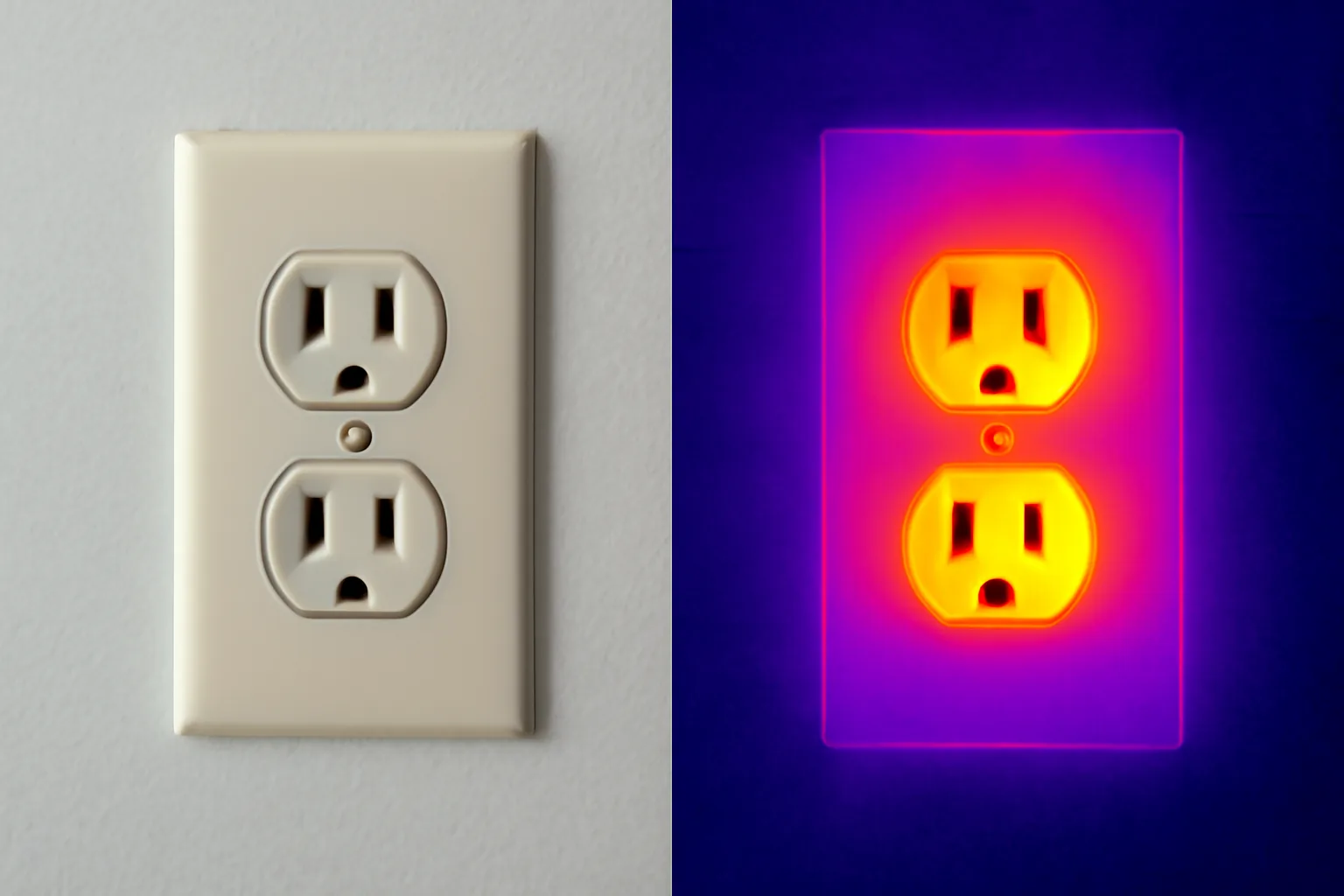

How I Check a Warm Outlet Before Opening It Up
A warm outlet could be nothing, or it could be a fire waiting to happen — and you need to know which before you even think about opening the cover plate. That’s where a non-contact voltage tester becomes your first line of defense, eliminating guesswork and letting you work with confidence.
In my years as an electrician, I’ve seen too many homeowners dismiss a warm outlet as a minor inconvenience. The truth is, a warm outlet is your home’s way of sending up a red flag. The heat you’re feeling is electrical resistance converting energy into thermal energy — and that’s never something to ignore. Before you grab a screwdriver or call an electrician, you need to understand what you’re dealing with and how to safely investigate it.
The Tester That Lets Me Touch an Outlet Without Second-Guessing Myself
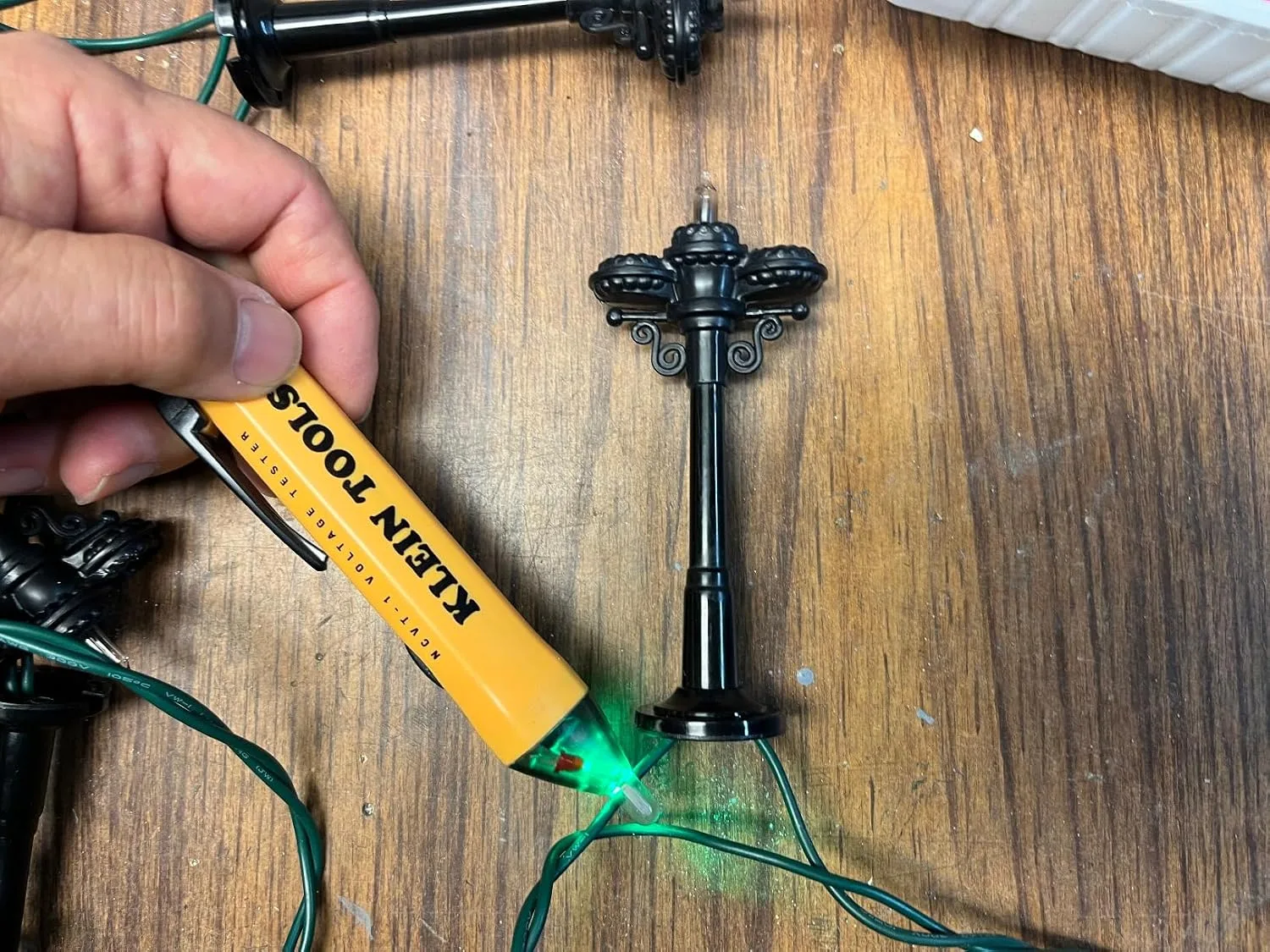
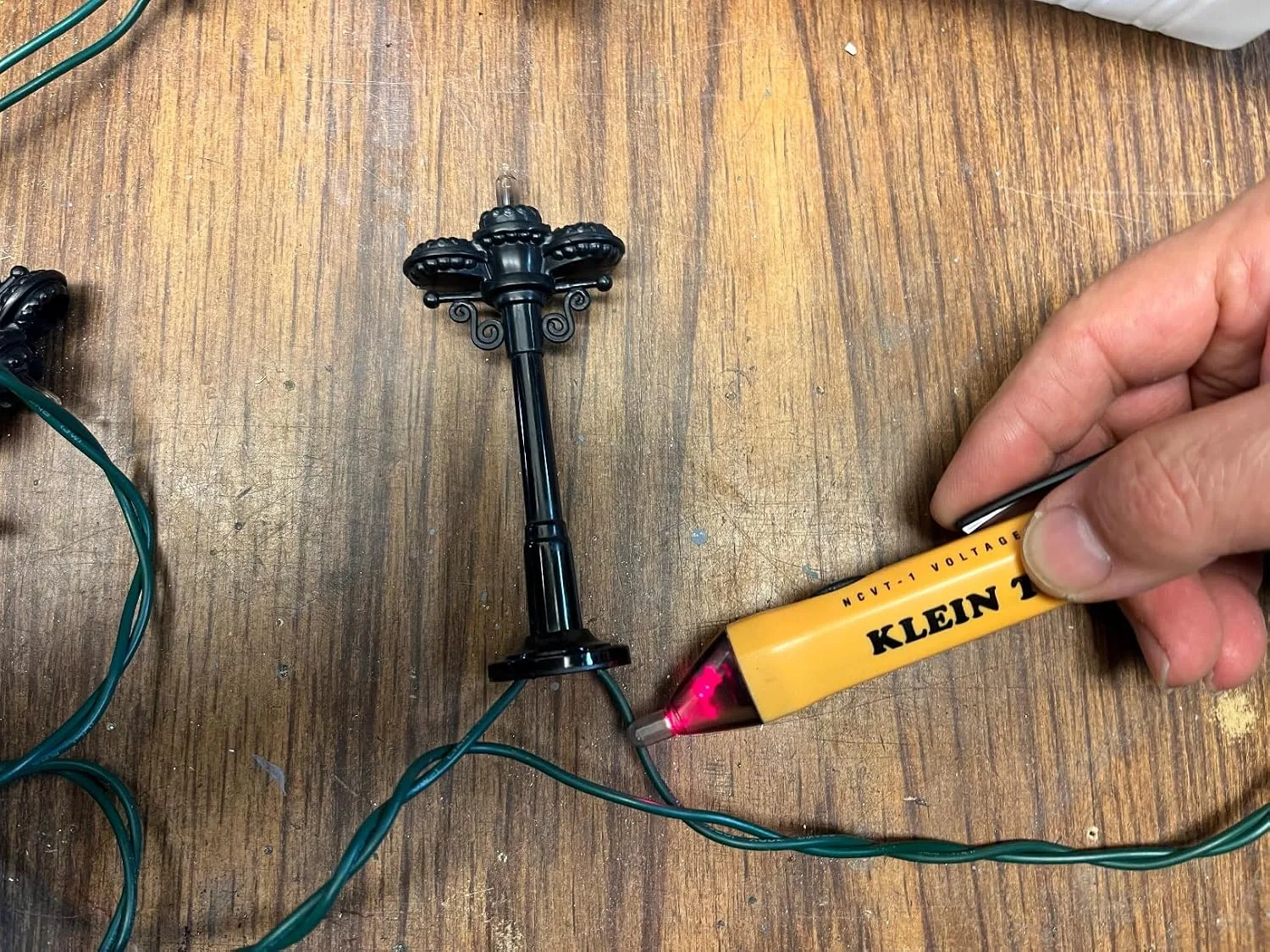
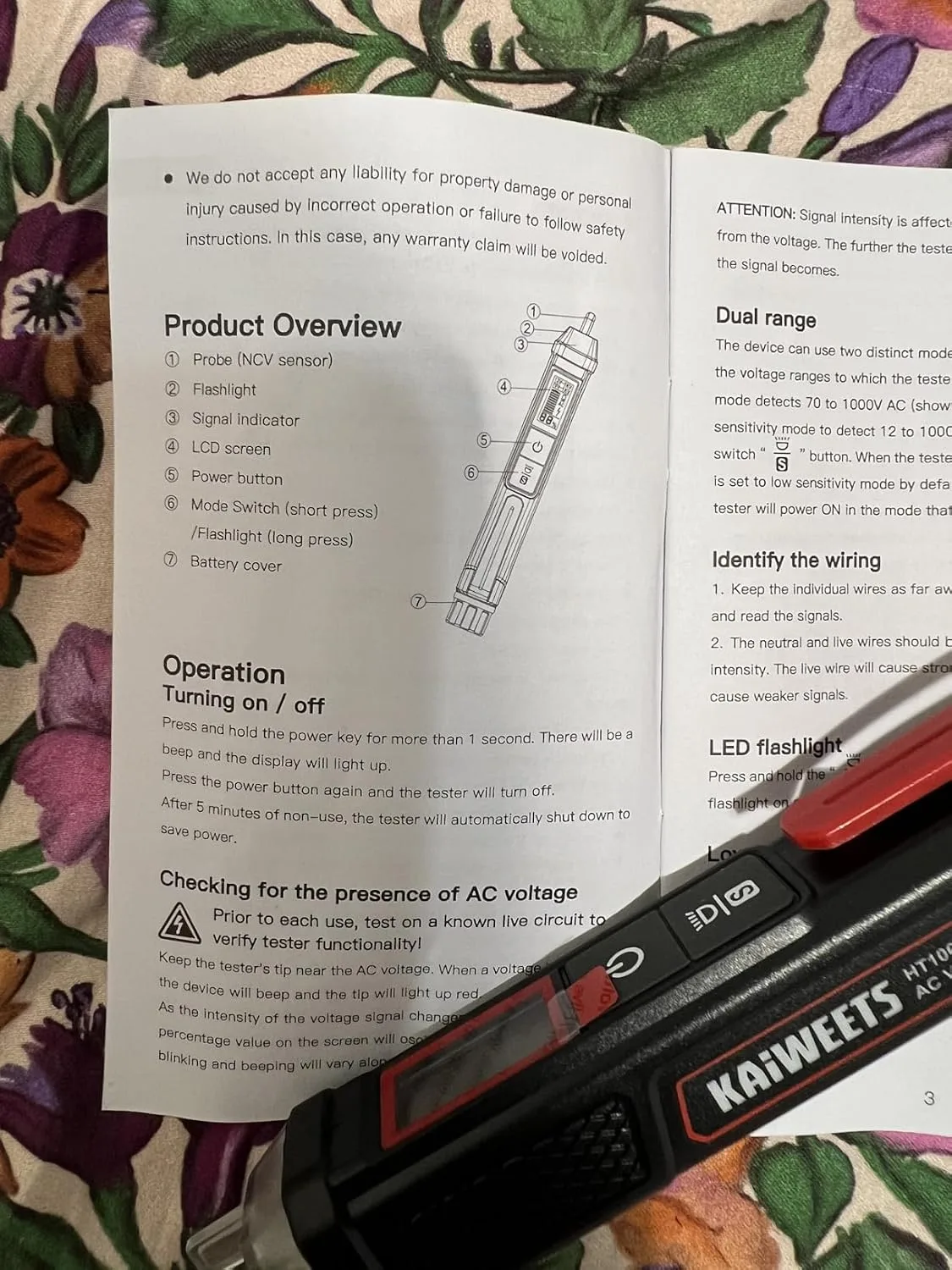
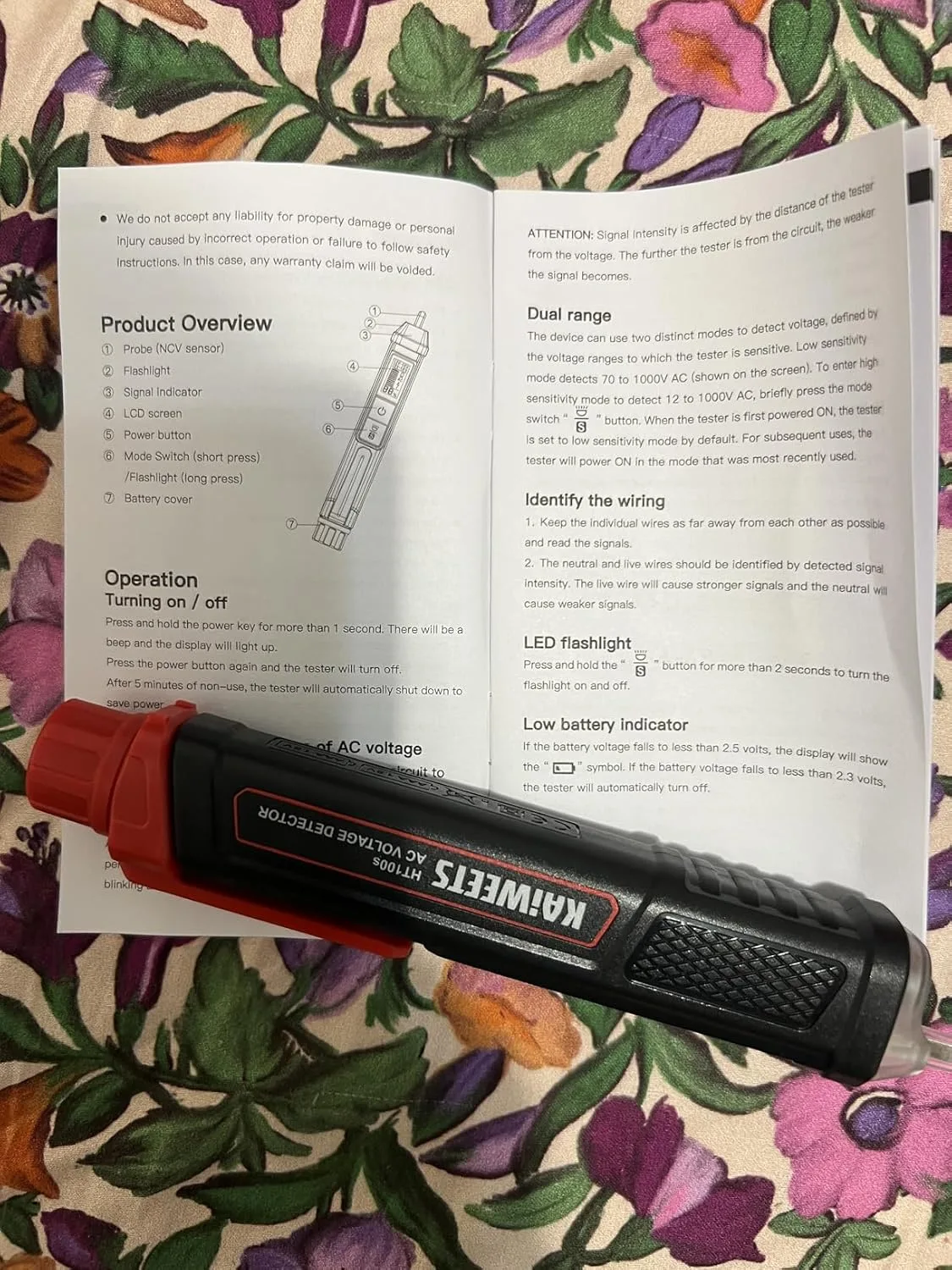
The first tool I reach for when investigating a warm outlet is a non-contact voltage tester. This isn’t about being overly cautious — it’s about being smart. You don’t know if that outlet is still energized, and touching live terminals can be dangerous or even fatal. A non-contact tester eliminates that risk entirely.
When I arrive at a service call and find a warm outlet, my process is always the same: test first, touch second. The Klein Tools NCVT1P is the tool I’ve trusted for years, and it’s saved me from potentially dangerous situations more than once.
What works
- Detects live voltage from 50V to 1000V without ever touching a bare wire, making it the safest first move on any outlet you’re about to investigate
- The audible alert and LED light tell you immediately if current is present — no fumbling with readings or second-guessing the display in dim lighting
- Three years of regular use on my service calls and it still catches voltage instantly, which means you’re not relying on a tool that’s going to fail you when you need it most
What doesn’t
- Sometimes proximity matters — you need to be within a few inches of the outlet for it to register, so dead batteries or worn contacts can make you doubt whether it’s actually working
- It doesn’t tell you *why* the outlet is warm or what the actual voltage is, only that current is flowing — you’ll still need a multimeter if you need deeper diagnostics
I remember standing in front of a customer’s master bedroom outlet that was warm to the touch, and I almost grabbed it with my bare hand before grabbing my tester first — the beep it gave told me live current was there, which changed everything about how I approached that repair. Don’t skip this step. Pick up the Klein Tools NCVT1P Non-Contact Voltage Tester and make it your habit.
When a Warm Outlet Becomes an Emergency
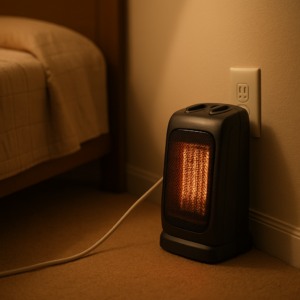
Not all warm outlets are created equal. A slightly warm outlet after hours of powering a high-draw device like a space heater is different from an outlet that’s hot to the touch after sitting idle. Here’s what I’ve learned in the field:
Normal warmth: An outlet that feels slightly warm after delivering power to a legitimate load — like a refrigerator or microwave running continuously — may not be an immediate concern, though it still warrants investigation.
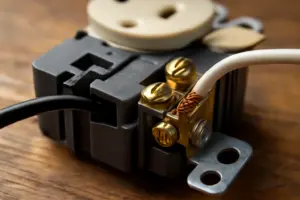
Emergency warmth: An outlet that’s hot enough to be uncomfortable to touch, or one that’s warm with nothing plugged into it, indicates a serious problem. This could be a loose connection, a failing outlet, or deteriorating wiring inside the wall.
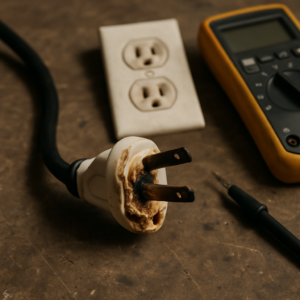
Visual clues matter too. If you see discoloration, darkening around the outlet terminals, or any scorch marks on the faceplate, you’re looking at heat damage. In those cases, stop what you’re doing and call a licensed electrician immediately. Don’t use that outlet, and if possible, turn off the breaker serving it.
Using Heat Indicators for Secondary Confirmation
After confirming there’s no active voltage, I often use thermal indicators to get a sense of how hot the outlet actually is. The thermal heat indicator strips provide a quick visual check without needing expensive equipment. These strips change color when exposed to different temperature thresholds, giving you concrete evidence of overheating.
The Bottom Line
A warm outlet deserves your attention, but it doesn’t have to mean panic. Start with a non-contact voltage tester to confirm the outlet is safe to investigate. Use thermal indicators to measure actual heat levels. Look for visual damage. And if anything feels wrong — if the heat is excessive, if there’s discoloration, or if you’re unsure — call a licensed electrician. That’s what we’re here for, and catching these issues early can save your home from a serious electrical fire.
This post contains affiliate links. As an Amazon Associate, I earn from qualifying purchases at no extra cost to you.
thermal heat indicator strips
I’ve used this on every service call for three years and it catches voltage instantly, every time.
Check Price on Amazon →