Last fall, I got a call from a homeowner in Ohio named Greg. He’d just found out his utility was killing net metering in his county — and he wanted to know if his planned solar installation was still worth it. I’ll be honest — when Greg first asked me that question, I didn’t have a confident answer ready. I’d spent five years selling grid-tied systems with net metering as the golden bullet, and suddenly that equation didn’t work anymore. Honestly? That question is one I’m hearing more and more in 2025 heading into 2026. So let me answer it directly: solar worth it without net metering 2026 depends almost entirely on how you structure your system. If you just slap panels on the roof and stay grid-tied without storage, the math gets ugly fast. But if you design around self-consumption and battery backup, the numbers can still work strongly in your favor.
I’ve been doing my own electrical work for 12 years. I’ve followed residential solar closely across four states. Net metering has been changing fast — states like California already gutted it with NEM 3.0, and more are following. This post is going to run the real math for you. No fluff, no solar company sales pitch. Just the numbers, the trade-offs, and the equipment decisions that actually change the outcome.
Why Net Metering Changes Mattered So Much
Here’s a quick refresher for anyone who needs it. Net metering let you export excess solar power to the grid and receive a credit — usually at or near retail electricity rates — to offset your bill at night or on cloudy days. Under the old rules, a 10 kW system could effectively use the grid as a free battery. Your payback period was often 6–8 years. The economics were straightforward.
That’s gone in many places now. California’s NEM 3.0 slashed export credits by roughly 75%. Some utilities now pay as little as $0.04–$0.06 per kWh for exported power, while charging you $0.28–$0.38 per kWh to buy it back. That’s a brutal spread. Suddenly, exporting power is almost a waste. You’re selling low and buying high, which is the opposite of what smart energy management looks like.
In my experience, this is where most homeowners panic and think solar is dead. It isn’t. But your strategy has to shift — hard — toward self-consumption and storage.
Running the Real Math for 2026
Let me walk through the numbers I use with clients. The average U.S. home consumes about 10,500 kWh per year, or roughly 29 kWh per day. At a national average electricity rate of $0.17/kWh — and rates are trending higher, not lower — that’s about $1,785 per year in electricity costs. In high-rate states like California, Hawaii, or Massachusetts, you’re looking at $2,800–$4,200 annually.
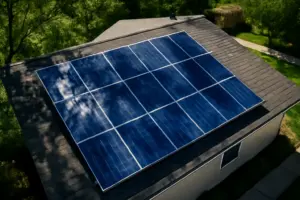
A well-sized off-grid or hybrid solar system producing 10,000–12,000 kWh per year can cover that entirely. Here’s where the math splits. Without battery storage and without net metering, you might self-consume only 30–40% of what you generate. The rest gets exported at those garbage $0.04/kWh rates. Your effective savings drop dramatically — sometimes by 50% or more compared to the old net metering world.
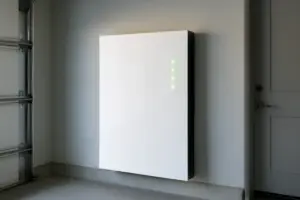
However, add meaningful battery storage — say, 10–16 kWh of usable capacity — and your self-consumption rate jumps to 80–90%. That’s the game changer. Specifically, every kWh you store and use yourself is worth your full retail rate, not the export rate. At $0.17/kWh average (or $0.35/kWh in California), the numbers flip back in your favor significantly.
Payback Period With vs. Without Storage
Here’s a rough breakdown I’ve worked through with multiple clients in 2024–2025:
- Grid-tied, no storage, no net metering: 14–18 year payback at typical usage rates
- Grid-tied with battery backup (10–16 kWh), no net metering: 9–12 year payback
- Off-grid or hybrid with robust storage (16+ kWh), optimized load scheduling: 7–10 year payback
- High-rate state (CA, HI, MA) with storage system: as low as 5–7 year payback
That federal 30% Investment Tax Credit (ITC) under the Inflation Reduction Act is still in place for 2026. It applies to both panels and battery storage. That alone cuts your upfront cost by nearly a third. Don’t sleep on it.
Is Solar Worth It Without Net Metering in 2026? Here’s My Answer
Yes — but only if you build the system correctly from the start. This is the clearest answer I can give you. A solar installation designed purely around grid export is a poor investment today in most states. But a system designed around maximizing self-consumption, with appropriately sized storage and smart load management, absolutely still pencils out.
I learned this the hard way with one of my earlier installs. Back in 2021, I had a client in Michigan who insisted on keeping costs down by skipping battery storage. At the time, the state still had decent net metering. By 2023, the utility had restructured their program. That client went from a projected 8-year payback to something closer to 14 years overnight. I felt responsible for not building in more future-proofing. I don’t make that mistake with clients anymore.
The smartest move I see homeowners making right now is going to a complete off-grid-capable or hybrid system that can operate independently from the grid. That way, you’re not at the mercy of whatever your utility decides next year — and trust me, they will keep adjusting the rules.
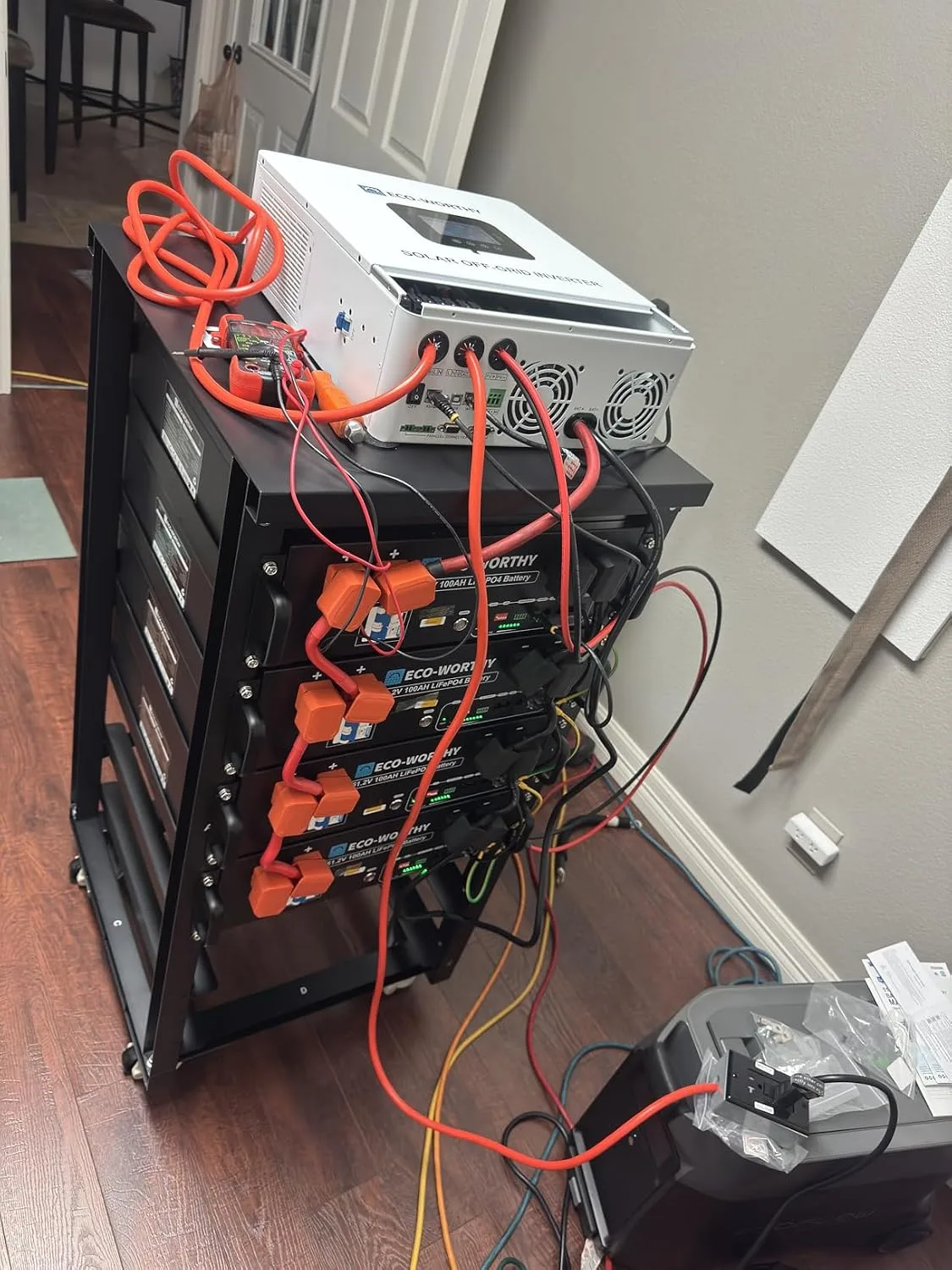
The Off-Grid Kit That Made Me Stop Worrying About Utility Rate Changes
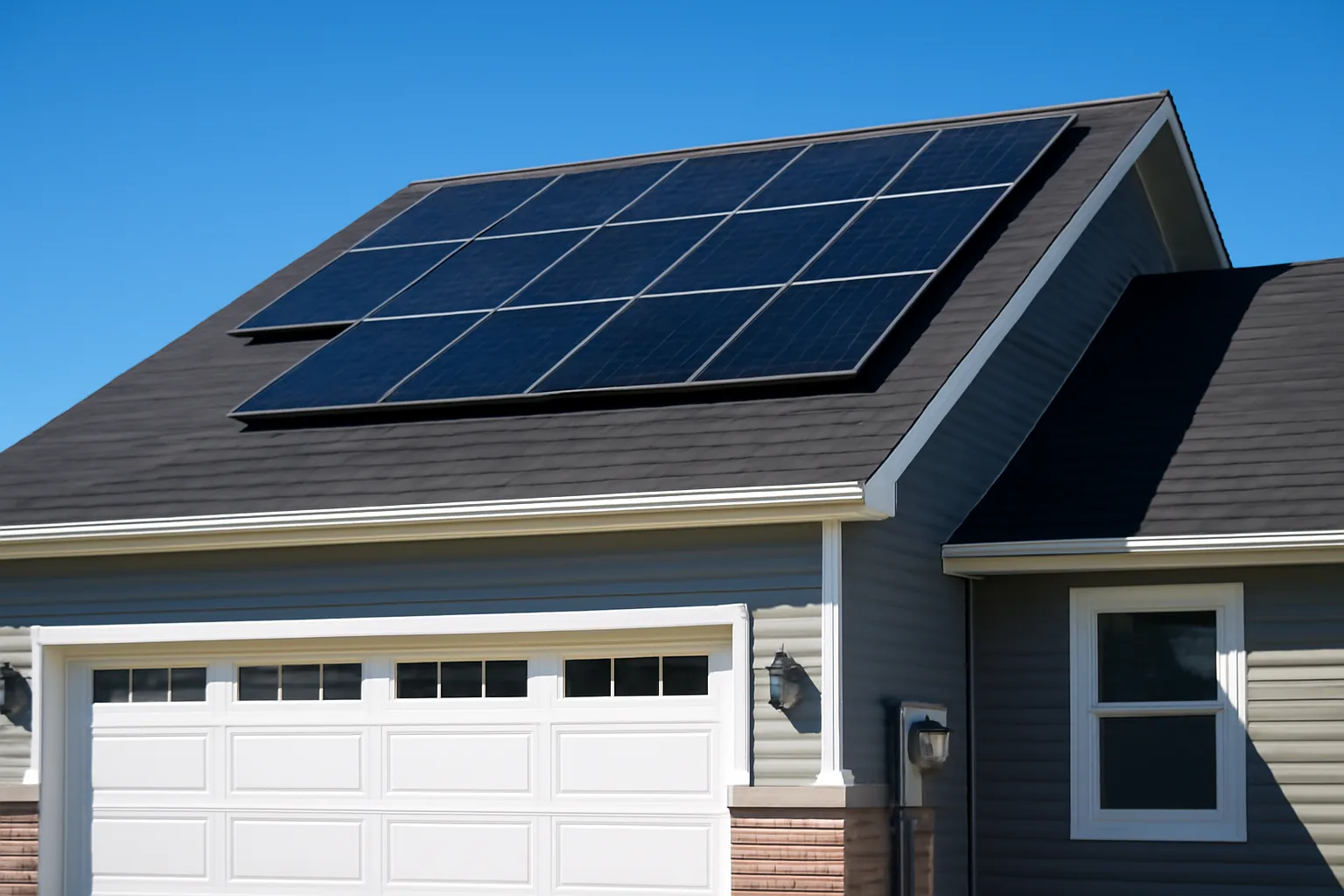
If net metering disappears, your grid-tied system becomes a lot less attractive — unless you’re willing to add battery backup and storage. That’s where a complete off-grid solar kit changes the equation entirely. You’re no longer dependent on utility buyback rates because you’re not selling power back at all.
What works
- Comes with everything you need to size a real system — panels, inverter, charge controller, and mounting hardware — so you’re not hunting down mismatched components from three different vendors
- 10kW output gives you enough cushion to handle peak summer production and still have room to add battery storage later without rewiring the whole setup
- Shifts your math from “will the utility pay me fairly?” to “can I produce and store what I actually use?” — which is a way more stable business case when net metering is off the table
What doesn’t
- The upfront cost is real — you’re looking at $15k–$20k before batteries, which is why most DIYers phase it in over 2–3 years instead of going all-in at once
- Requires serious planning around load management and battery sizing, or you’ll end up with excess generation in summer that you can’t store or use
I nearly talked myself out of recommending off-grid kits to homeowners like Greg because the sticker shock felt irresponsible — until I ran the 10-year numbers and realized that avoiding utility rate hikes and buyback penalties actually makes it cheaper than staying grid-tied without net metering. If you’re serious about future-proofing your solar investment, check out the ECO WORTHY 10000W Output Complete Off-Grid Solar Panel Kit.
Frequently Asked Questions
What’s the payback period for solar without net metering and storage?
Grid-tied solar without storage and no net metering typically has a 14–18 year payback at typical usage rates. Adding battery backup (10–16 kWh) drops that to 9–12 years, and hybrid systems with 16+ kWh of storage can reach 7–10 years. The federal 30% Investment Tax Credit under the Inflation Reduction Act applies to both panels and batteries, cutting upfront costs by roughly a third.
How much of my solar power can I actually use without batteries?
Without battery storage and without net metering, you’ll self-consume only 30–40% of what you generate. The rest gets exported at low buyback rates—sometimes $0.04–$0.06 per kWh—while you pay $0.28–$0.38 per kWh to buy power back. Adding 10–16 kWh of battery storage jumps self-consumption to 80–90%, making the system far more economical.
Is a 10 kW solar system still worth it in 2026?
A 10 kW system producing 10,000–12,000 kWh per year can cover the average U.S. home’s consumption of roughly 10,500 kWh annually—but only if paired with meaningful battery storage and designed for self-consumption, not grid export. Without storage, payback stretches to 14–18 years in most states, making it a poor investment by itself.
What electricity rates did you use for these 2026 calculations?
I used the national average of $0.17/kWh for standard calculations. High-rate states like California, Hawaii, and Massachusetts run $0.35/kWh or higher. At those rates with battery storage, payback can be as low as 5–7 years, making solar far more attractive than in lower-cost regions.
About This Article

Written by Marc Reeves. Marc Reeves is an electrician with 12 years of hands-on residential and light commercial experience. He started Panels & Plugs to help homeowners make smarter decisions about their electrical systems and renewable energy upgrades, including knowing exactly when a job needs a permit and a licensed pro. More about this site.
Scope and limits. Marc is a homeowner who studies residential electrical systems, not an electrician. Anything behind the panel, on a hardwired circuit, or subject to permit and inspection belongs with a licensed electrician.
Verify this against a primary source
Specifics change, and your situation may differ from the one described here. These are the authorities worth checking directly:
- NFPA — the National Electrical Code (NFPA 70)
- Electrical Safety Foundation — residential electrical safety guidance
- CPSC — product recalls and electrical hazard notices