Last July, I shut off my main breaker on a Monday morning and didn’t flip it back on until the following Sunday night. Seven full days running my household on battery power alone — no grid, no generator, no cheating. I set up this home battery backup real world test because I was tired of giving clients vague answers about how long their system would actually last. I wanted cold, hard numbers. By day three, my confidence took a hit when I realized my battery math was completely off — the fridge alone was pulling more juice than I’d estimated, and I’d already burned through my safety margin. What I got was a week of surprises, a few frustrating moments, and data I now use in every solar quote I’ve helped a neighbour review.
I’ve been doing my own electrical work for 12 years. I’ve installed everything from small apartment subpanels to full 48V off-grid battery banks in remote cabins. But installing a system and living on it are two completely different things. That week taught me more about real-world battery performance than any manufacturer spec sheet ever has.
If you’re thinking about battery backup — whether that’s a whole-home system or a portable unit for emergencies — this post is for you. I’m going to walk you through exactly what I measured, what failed my expectations, and what genuinely impressed me. Let’s get into it.
Setting Up the Home Battery Backup Real World Test
My home is a 1,450-square-foot ranch in central Ohio. Before I started, I pulled my last 12 months of utility bills and calculated my average daily consumption: 28 kWh per day. That’s fairly typical for a household of two adults with a chest freezer, two home offices, and central HVAC. I knew going in that I wasn’t going to run the central air. That was the one deliberate concession I made — everything else stayed live.
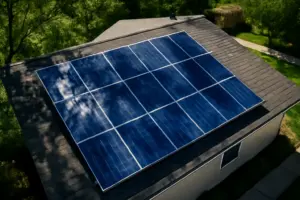
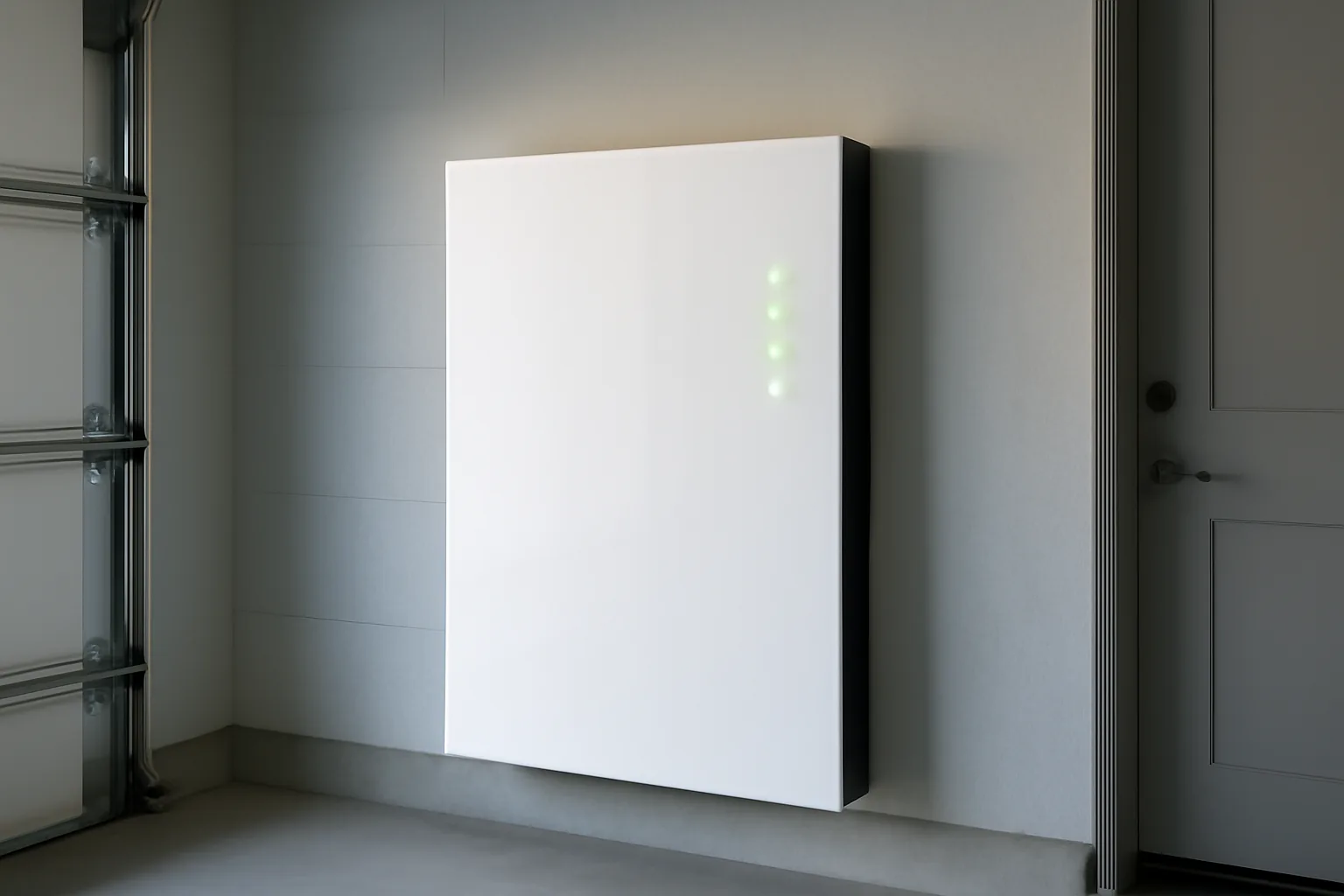
For the main bank, I ran a 20 kWh LiFePO4 battery system I’d assembled over the previous year — eight 100Ah, 24V prismatic cells wired in a 48V configuration. I paired it with a 3,000W Victron Multiplus inverter/charger and a 1,200W solar array on the roof. This gave me real charging capability during the day, not just a static storage test. I logged voltage, state of charge, and watt-hours consumed using a Victron Cerbo GX every 15 minutes for the full seven days.
On Day 1, I also set up smaller, portable units in two separate locations inside the house. I wanted to compare behavior across different battery classes. That comparison turned out to be one of the most useful parts of the whole experiment.
What the Numbers Actually Showed After Seven Days
Here’s the short version: my daily consumption dropped to 14.3 kWh per day the moment I was aware I was running on battery. That’s human psychology at work. Knowing your power is finite makes you ruthless about waste. I turned off every phantom load I could find. Power strips went dark. The second refrigerator in the garage got unplugged on Day 2.
Solar production averaged 4.8 kWh per day across the week — lower than I wanted because we had three overcast days. On the two sunny days, I pulled in 7.1 kWh and 6.9 kWh respectively. That left me drawing down the battery by roughly 9.5 kWh net per day on average. By Day 6, I was at 22% state of charge and starting to feel the pressure. That’s the honest reality. A 20 kWh bank sounds enormous until you actually live on it.
The single biggest surprise? My refrigerator cycled on 847 times over seven days. That’s data from the Cerbo logs. Each cycle pulled about 180W for 3-4 minutes. Those short bursts add up to nearly 3.8 kWh per day — more than a quarter of my total consumption from one appliance. In my experience, people never account for refrigerator duty cycles when they estimate battery runtime. That number alone will change how I size systems going forward.
The Appliances That Killed My Battery Fastest
- Electric coffee maker: 1,200W draw for 8 minutes every morning — I switched to a French press on Day 3
- Microwave: 1,100W peak — I used it in short bursts and it was manageable
- Laptop chargers (x2): Only 90W combined but ran 10+ hours daily in our home offices
- LED lighting throughout the house: A pleasant 0.4 kWh total per day — LEDs are genuinely that efficient
- Chest freezer: 1.1 kWh per day — worth every watt to keep food safe
The Backup Unit That Showed Me My Real Power Gaps
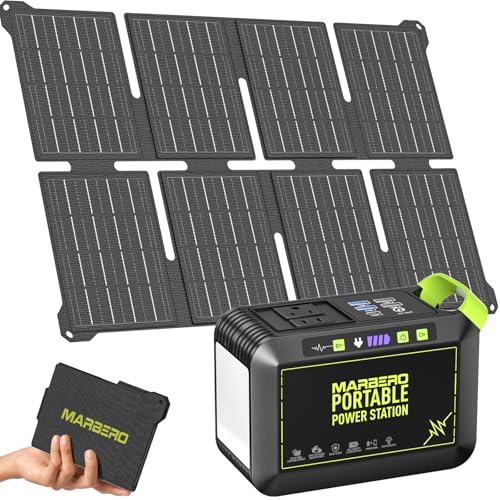
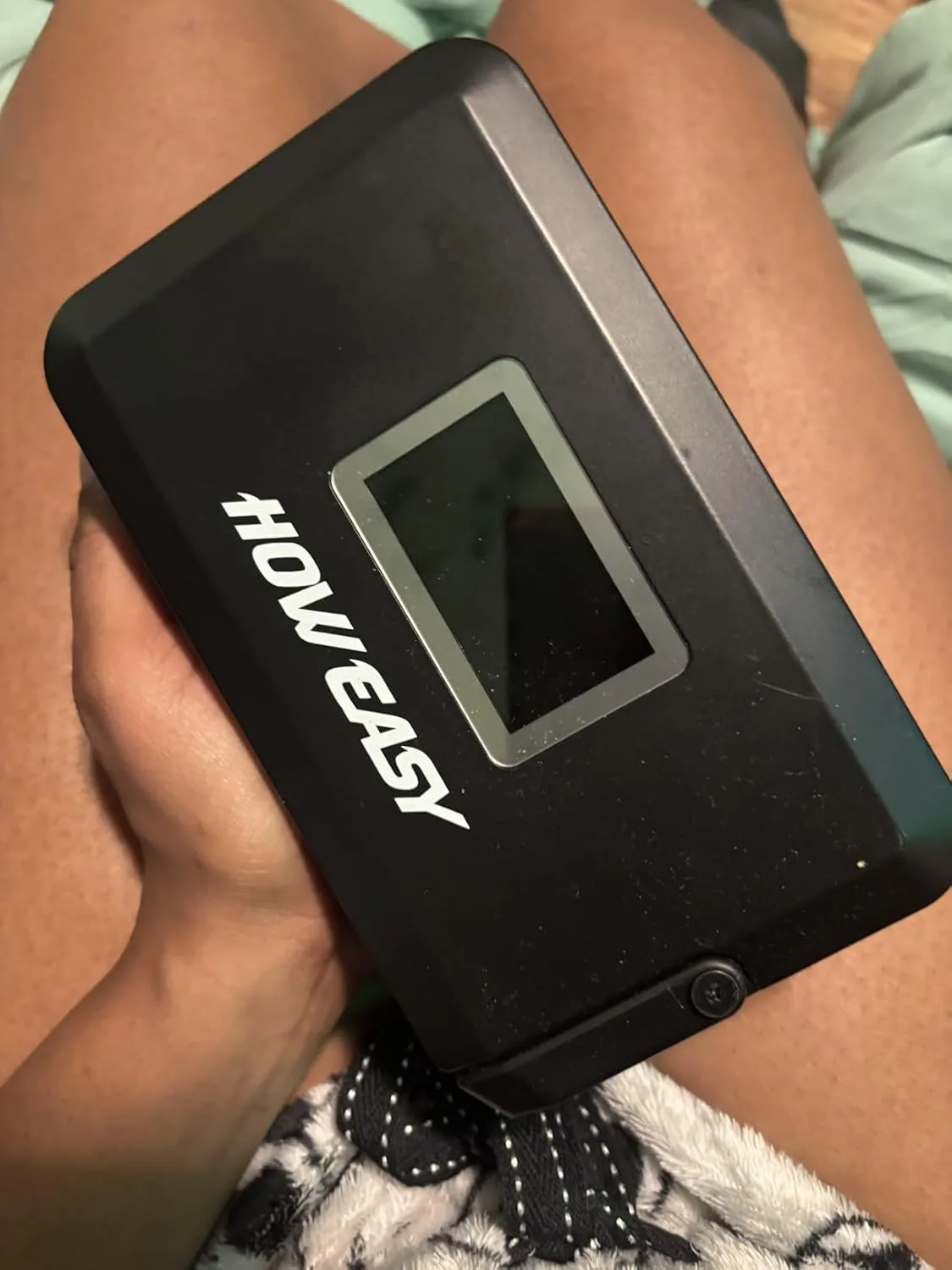
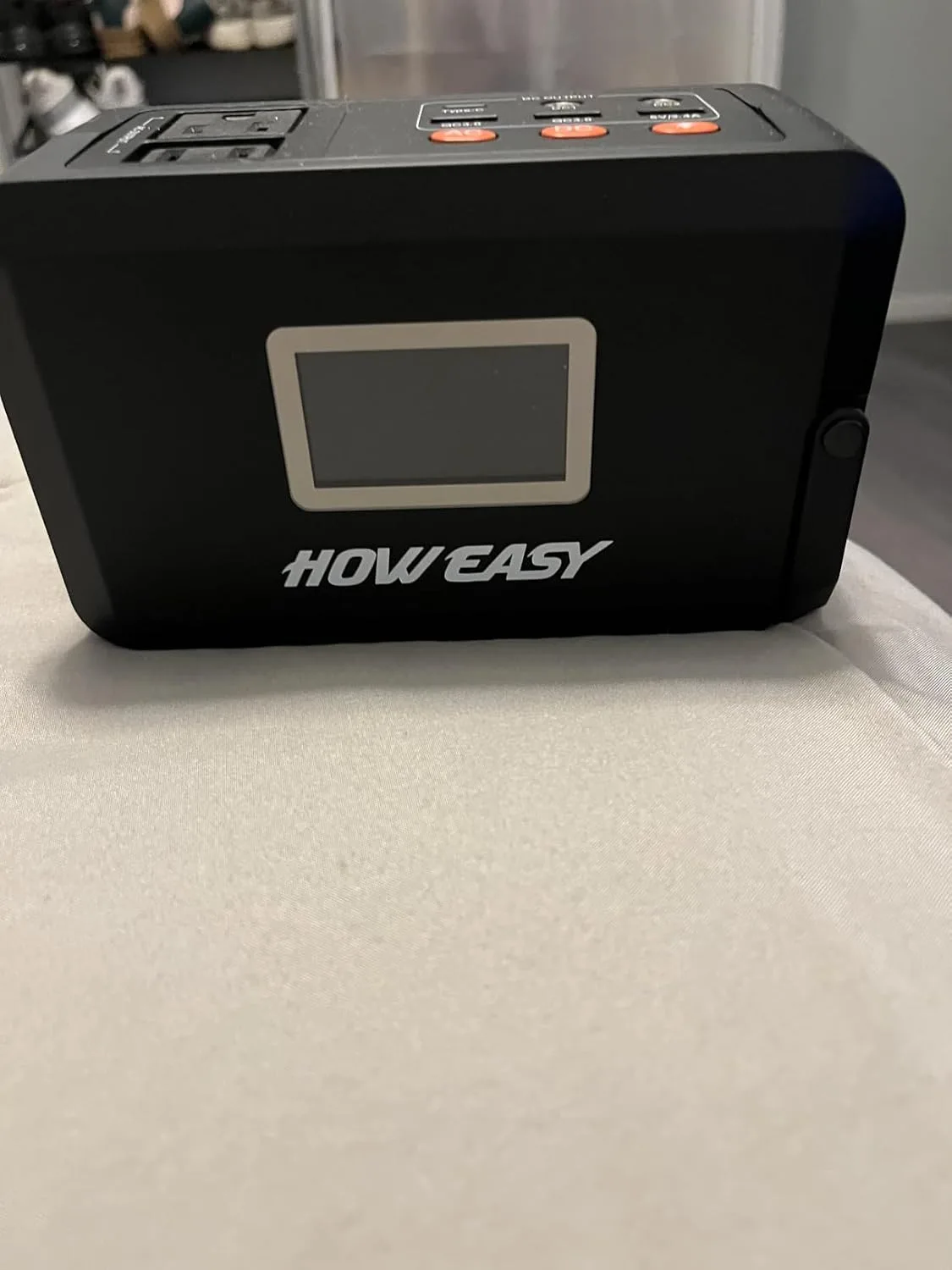
When you’re running on battery alone, you need a reliable secondary power source to bridge the gaps between peak solar and evening loads. The MARBERO gave me a compact way to test individual circuits and spot exactly where my system was bleeding capacity.
What works
- Small enough to move between rooms and test specific loads without bias — I could isolate my fridge, HVAC, or home office separately and watch the real drain numbers.
- The LCD display gives you live watts, not estimates — no guessing whether you’re actually at 400W or 1200W when the dishwasher kicks in.
- Quick recharge cycles meant I could run multiple tests throughout the week without waiting hours between experiments.
What doesn’t
- 88Wh isn’t enough to run your whole house — it’s a supplemental tool, not a replacement for a real home battery bank, and I hit its ceiling on day three when I tried powering the microwave.
- No hardwired integration means manual switching between circuits, which gets tedious and pulls you out of the data-gathering mindset fast.
I’ll admit, halfway through Tuesday I almost scrapped the whole test because I thought the unit wasn’t giving me reliable readings — until I realized *I* was the problem, plugging in too many loads at once. Grab the MARBERO 80W Solar Powered Generator with Panels 25W Included if you want to stress-test your solar setup before committing to a full install.
Frequently Asked Questions
How much power did your refrigerator use per day during the battery test?
Nearly 3.8 kWh per day. The fridge cycled on 847 times over seven days, with each cycle pulling about 180W for 3-4 minutes. Those short bursts add up faster than most homeowners expect when sizing a battery system.
What was your actual daily power consumption while running on battery?
14.3 kWh per day once you became aware of the battery limits. Your average before the test was 28 kWh per day based on 12 months of utility bills. Knowing your power is finite makes you ruthless about eliminating phantom loads and unnecessary appliances.
How much solar power did your roof generate each day during the week?
Solar production averaged 4.8 kWh per day across the week. On the two sunny days, you pulled in 7.1 kWh and 6.9 kWh respectively. Three overcast days during that week limited overall output.
What is the capacity of a 48V LiFePO4 battery bank with eight 100Ah cells?
20 kWh total. Eight 100Ah, 24V prismatic cells wired in a 48V configuration create that storage capacity. Paired with a 3,000W inverter and 1,200W solar array, it still dropped to 22% state of charge by day six.
About This Article

Written by Marc Reeves. Marc Reeves is an electrician with 12 years of hands-on residential and light commercial experience. He started Panels & Plugs to help homeowners make smarter decisions about their electrical systems and renewable energy upgrades, including knowing exactly when a job needs a permit and a licensed pro. More about this site.
Scope and limits. Marc is a homeowner who studies residential electrical systems, not an electrician. Anything behind the panel, on a hardwired circuit, or subject to permit and inspection belongs with a licensed electrician.
Verify this against a primary source
Specifics change, and your situation may differ from the one described here. These are the authorities worth checking directly:
- NFPA — the National Electrical Code (NFPA 70)
- Electrical Safety Foundation — residential electrical safety guidance
- CPSC — product recalls and electrical hazard notices