Half the smart doorbell service calls I get are not actually doorbell problems — they are transformer problems that show up right after installation and get blamed on the new hardware. Most homes still have an 8- or 10-volt transformer from a mechanical chime era, and smart doorbells pull enough current that an undersized transformer will cause exactly the symptoms people assume mean a defective unit: flickering, false motion alerts, or a doorbell that just goes dark. After 12 years troubleshooting residential electrical systems, I’ve learned that the smart doorbell transformer problem is one of the most common and most overlooked failures in modern home upgrades. And it’s entirely preventable if you understand what’s happening behind your front door.
Why Your Old Transformer Can’t Handle a Smart Doorbell
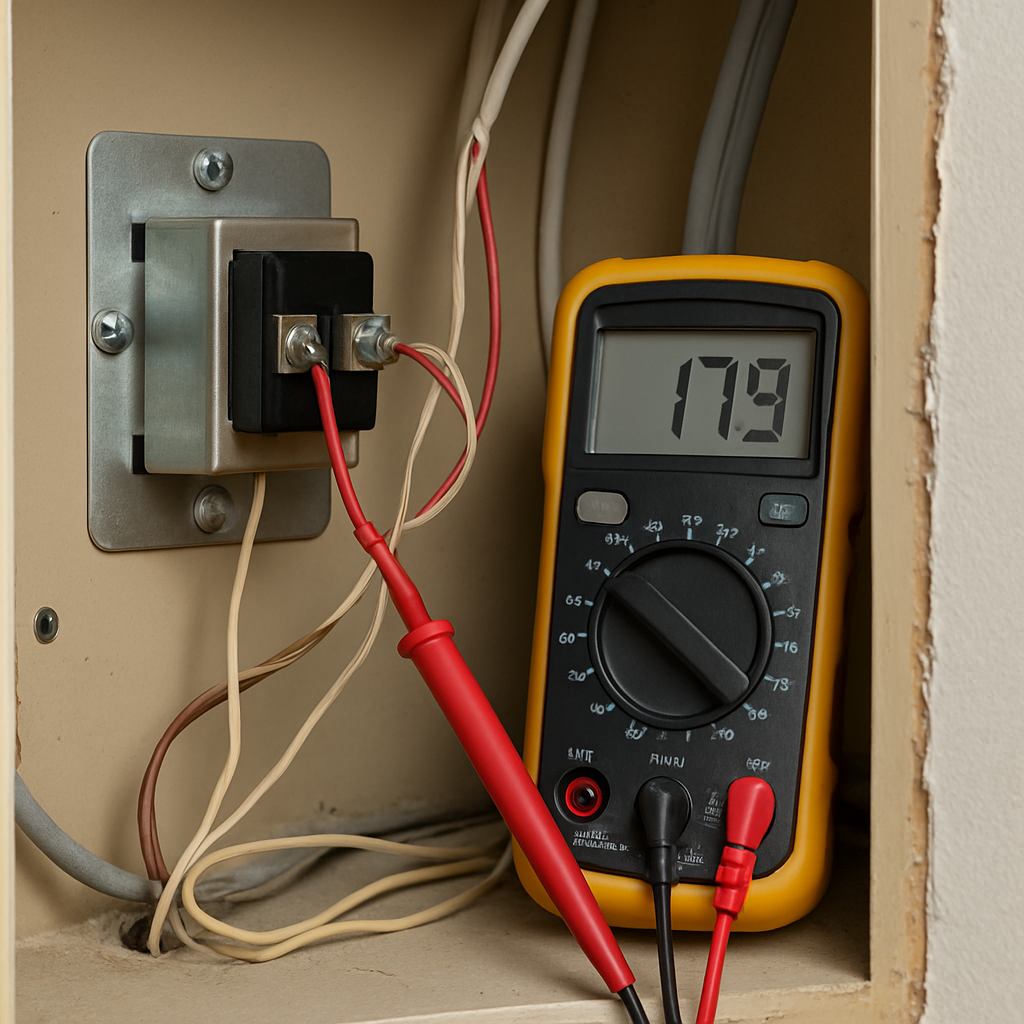
Here’s the reality: your mechanical doorbell chime drew almost no power. It was a simple electromagnetic device that worked fine on 8 or 10 volts AC, and it barely pulled any current. The transformer sitting in your basement or attic was sized for that load — typically rated at 10 or 16 volt-amperes (VA). I’ve pulled dozens of these old units, and the specs haven’t changed much in 40 years.
A smart doorbell is a completely different animal. It has a camera, WiFi radio, processor, LED lights, and often a battery charging circuit. Depending on the model, you’re looking at a device that wants 24 to 40 watts of power during operation. That translates to roughly 1.5 to 2.5 amps at 24 volts, or more like 3 to 5 amps if you’re still running 16 volts.
When you plug that power demand into an 8- or 10-volt, 10-16 VA transformer, the transformer can’t deliver the current the doorbell needs. Voltage sags. The doorbell CPU gets an unstable power signal. What you see is a device that won’t stay armed, drops WiFi, shows false motion detections, or simply reboots and goes offline. Then you assume the doorbell itself is defective and call the manufacturer or return it. But the doorbell isn’t the problem. The transformer is starving it.
What Size Transformer Do You Actually Need?
This is where I give you a straight answer: if you’re installing a smart doorbell, you need a transformer rated for at least 24 volts at 40 VA minimum. I recommend 40 VA for single doorbells, and 63 VA if you’re also running other low-voltage circuits like a thermostat or additional door sensors.
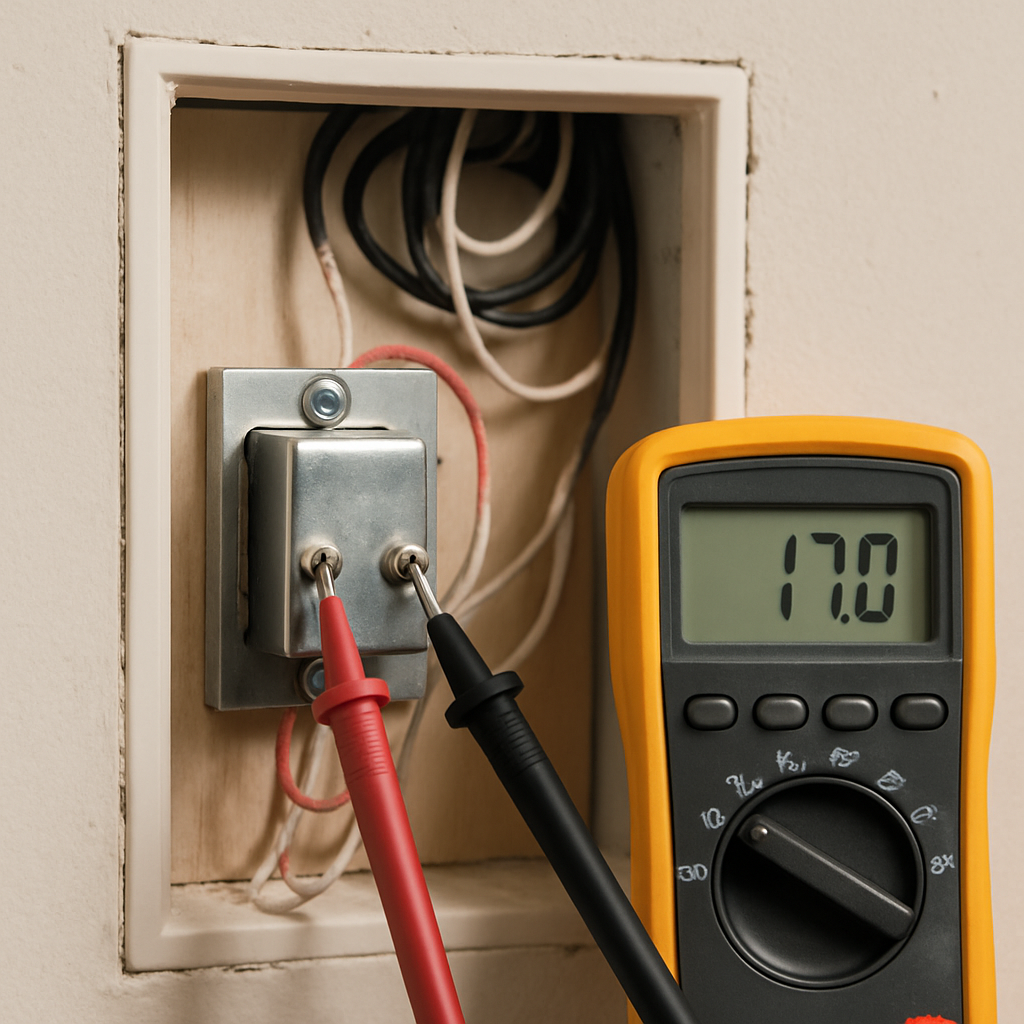
The math is simple. A 40 VA transformer at 24 volts will deliver about 1.67 amps safely and continuously. Most modern smart doorbells draw 1.0 to 1.5 amps under normal conditions, with occasional spikes during WiFi transmission. A 40 VA unit gives you headroom. A 63 VA transformer is even better and costs only $15 to $25 more.
I learned the hard way about this 12 years ago, before smart doorbells were everywhere. A customer installed a new video doorbell on their old 10 VA transformer and called me in a panic because the camera kept disconnecting. I tested the transformer output and found it was sagging from 24 volts down to 16 volts under load. One new 40 VA transformer and 20 minutes of wiring later, the doorbell worked flawlessly. That was the day I started checking every transformer spec on every pre-existing installation.
How to Identify an Undersized Transformer Before You Buy a New Doorbell
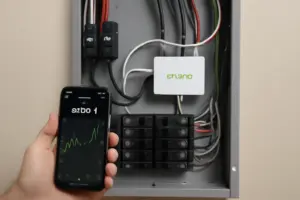
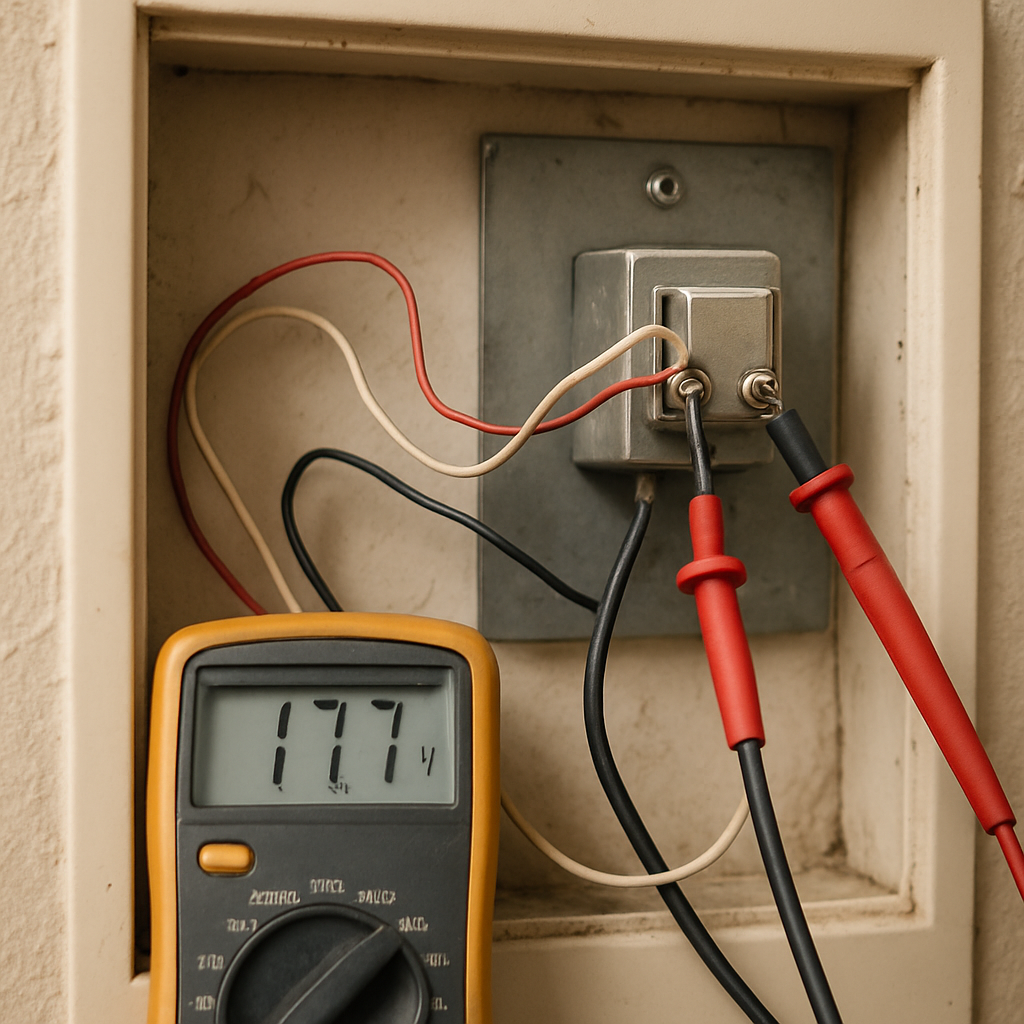
If you’re planning a smart doorbell retrofit, do this inspection first. Go to your electrical panel or wherever your transformer is mounted — often in the attic, basement, or garage. Look for a label on the transformer case. It will list voltage and VA rating.
If you see anything lower than 24 volts, or a VA rating below 40, plan on replacing that transformer before you install the doorbell. Don’t gamble on it working. I’ve never seen an undersized transformer improve its performance over time.
If you can’t find a label or the transformer is so old the printing has faded, take a photo and bring it to a licensed electrician. A 15-minute site visit will tell you everything you need to know. The cost of that call — usually $75 to $150 — is insurance against buying a doorbell and discovering a month later that it’s unreliable.
When to Call a Licensed Electrician
You can inspect and observe. You should not replace the transformer yourself. Here’s why: doorbell transformers are hardwired into the electrical system. The wires are usually 18-gauge or smaller and buried in walls or conduit. The transformer is connected to a 16- or 20-amp breaker in the panel. To replace it safely, you need to:
- Turn off the correct breaker at the panel
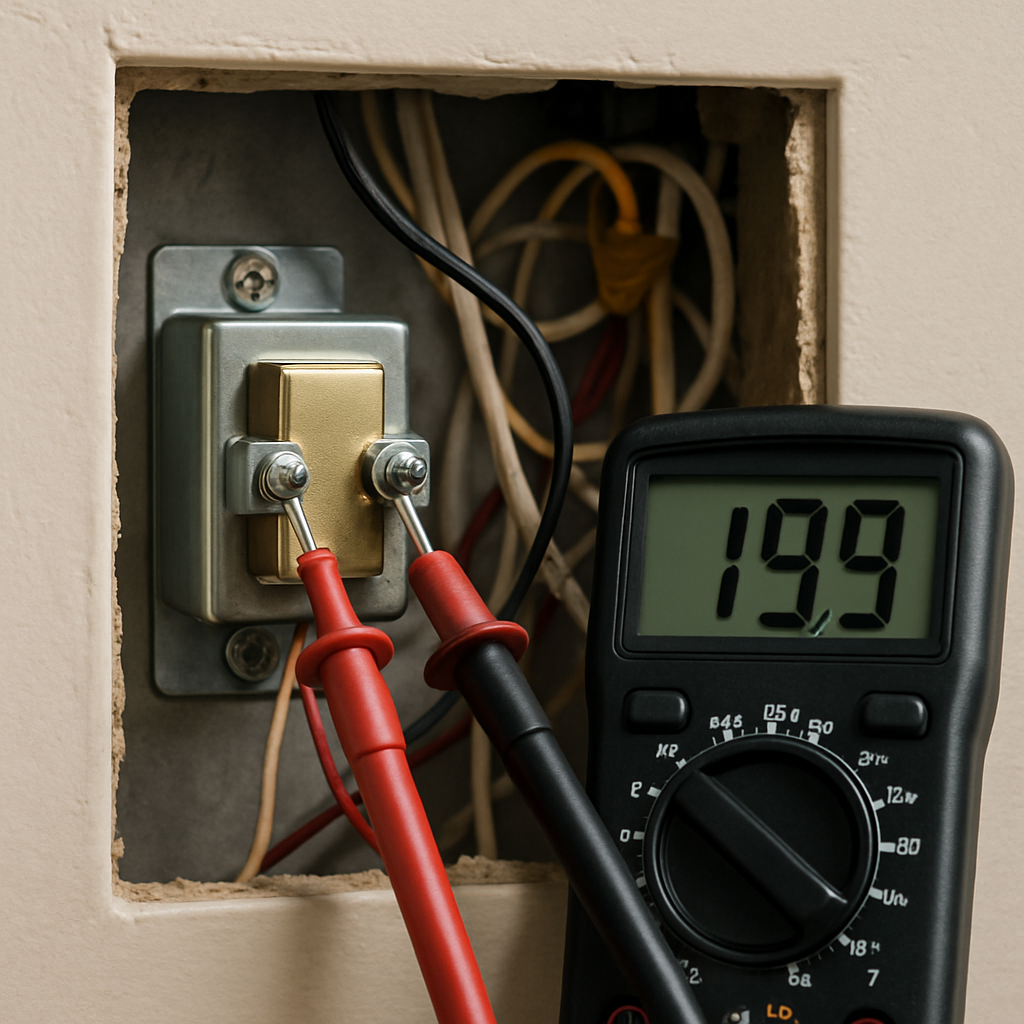
- Verify the circuit is de-energized with a multimeter
- Disconnect and remove the old transformer safely
- Install the new unit according to NEC code — proper bonding, strain relief, wire gauge matching
- Pull a permit and have the work inspected where required
Most jurisdictions require a permit for transformer replacement. A licensed electrician handles all of that. A typical transformer replacement takes 30 to 45 minutes and costs $200 to $350 including the new unit and labor. That’s less than the aggravation of a malfunctioning doorbell and a lot safer than trying to work in a panel you’re unsure about.
The Bottom Line
Smart doorbells are fantastic technology, but they demand more power than the infrastructure in older homes was designed to provide. If you’re upgrading, check your transformer first. An undersized transformer isn’t a doorbell problem — it’s an electrical infrastructure problem. And it has a straightforward fix.
I’ve installed hundreds of smart doorbells successfully, and every single one that worked reliably from day one had a proper 24-volt, 40-to-63 VA transformer behind it. The ones that caused headaches had old, undersized hardware. Do the inspection, do the upgrade right, and you’ll have a video doorbell that runs without issues for years. That’s what 12 years in the field has taught me, and that’s what I recommend to every homeowner who asks.
This post is for informational and educational purposes only and is not a substitute for a licensed electrician. Never work on live circuits, and always pull a permit and have work inspected where required. If you are unsure about any step, stop and call a licensed electrician.
Frequently Asked Questions
What size transformer do I need for a smart doorbell?
You need a transformer rated for at least 24 volts at 40 VA minimum. Marc recommends 40 VA for single doorbells, and 63 VA if you’re also running other low-voltage circuits like a thermostat or door sensors. A 40 VA transformer at 24 volts will deliver about 1.67 amps safely and continuously.
How do I check if my doorbell transformer is undersized?
Go to where your transformer is mounted—usually in the attic, basement, or garage—and look for the label on the case. It will list voltage and VA rating. If you see anything lower than 24 volts or a VA rating below 40, plan on replacing that transformer before installing your smart doorbell.
Can I replace my doorbell transformer myself?
No. Doorbell transformers are hardwired into the electrical system and connected to a 16- or 20-amp breaker in the panel. You must turn off the breaker, verify de-energization, and follow NEC code for proper installation. Most jurisdictions require a permit and inspection. A licensed electrician should handle this work.
How much does a smart doorbell transformer replacement cost?
A typical transformer replacement costs $200 to $350 including the new unit and labor, and takes 30 to 45 minutes. If you need a site visit to identify an old transformer first, that usually costs $75 to $150 for a licensed electrician.
About This Article

Written by Marc Reeves. Marc Reeves is an electrician with 12 years of hands-on residential and light commercial experience. He started Panels & Plugs to help homeowners make smarter decisions about their electrical systems and renewable energy upgrades, including knowing exactly when a job needs a permit and a licensed pro. More about this site.
Scope and limits. Marc is a homeowner who studies residential electrical systems, not an electrician. Anything behind the panel, on a hardwired circuit, or subject to permit and inspection belongs with a licensed electrician.
Verify this against a primary source
Specifics change, and your situation may differ from the one described here. These are the authorities worth checking directly:
- NFPA — the National Electrical Code (NFPA 70)
- Electrical Safety Foundation — residential electrical safety guidance
- CPSC — product recalls and electrical hazard notices