Here’s something I hear at least twice a month: “Marc, I just want to know if this outlet is live before I touch it.” That’s it. That’s the whole ask. I didn’t own a proper non-contact voltage tester for way too long, and in that gap I made some genuinely dumb decisions around live wires that could’ve gone sideways. And yet I’ve watched homeowners poke around live wires with a flathead screwdriver, a random lamp, or — I’m not making this up — a wet finger. The truth is, the electrical testers every homeowner needs cost less than a dinner out. All six of the tools I’m about to walk you through come in under $100 combined. That’s not a rounding error. That’s just what good, basic electrical safety costs.
I’ve been a licensed electrician for 12 years. I’ve pulled wire in new construction, retrofitted knob-and-tube in century-old bungalows, and installed solar arrays on commercial rooftops. In that time, I’ve tested thousands of circuits. I’ve also seen what happens when homeowners skip the testing step. Last spring, a client called me after he’d gotten a solid shock replacing a light switch. He’d flipped the breaker — just not the right one. A $10 non-contact tester would have caught that in two seconds.
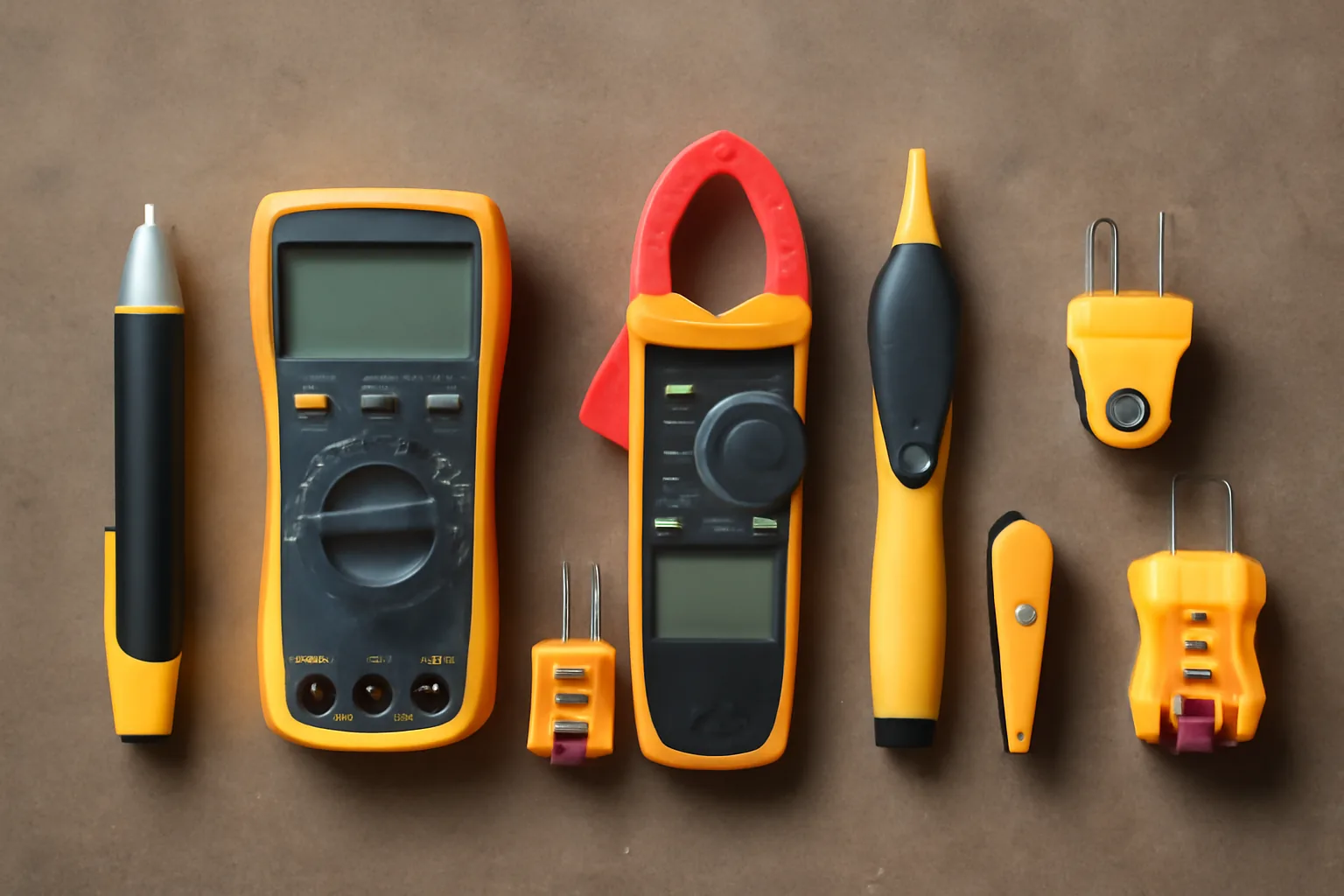
This post isn’t about professional-grade meters that cost $400. It’s about the six practical tools that belong in every homeowner’s junk drawer — or better yet, a dedicated tool pouch. I’ll tell you exactly what each one does, why it matters, and where I’d spend my own money. Let’s get into it.
Why Every Homeowner Needs Electrical Testers (Not Just Electricians)
Most homeowners think electrical testing is a professional-only skill. It isn’t. The NEC (National Electrical Code) sets the standards for how wiring should be installed. But nothing in the code says you can’t verify your own outlets, breakers, or fixtures before touching them. In fact, OSHA’s 29 CFR 1910.333 specifically requires de-energization verification before work begins — that standard exists in professional trades because the principle is universal. Electricity doesn’t care about your skill level when you grab the wrong wire.
That said, testing tools have gotten remarkably user-friendly. You don’t need an electrical engineering degree to use a non-contact voltage tester or a simple outlet analyzer. These tools give clear go/no-go signals. For example, a flashing LED and a beep means voltage is present. No flash, no beep means you’re clear. It genuinely is that simple for the basic stuff.
In my experience, homeowners who own even two or three of these tools make smarter, safer decisions. They stop guessing. They stop calling me for a $150 service call just to tell them an outlet is dead. They handle the easy stuff confidently and know when to call in a pro. That’s the whole goal here.
The 6 Electrical Testers Every Homeowner Needs
The Non-Contact Tester That Finally Stopped Me From Being That Guy With the Screwdriver
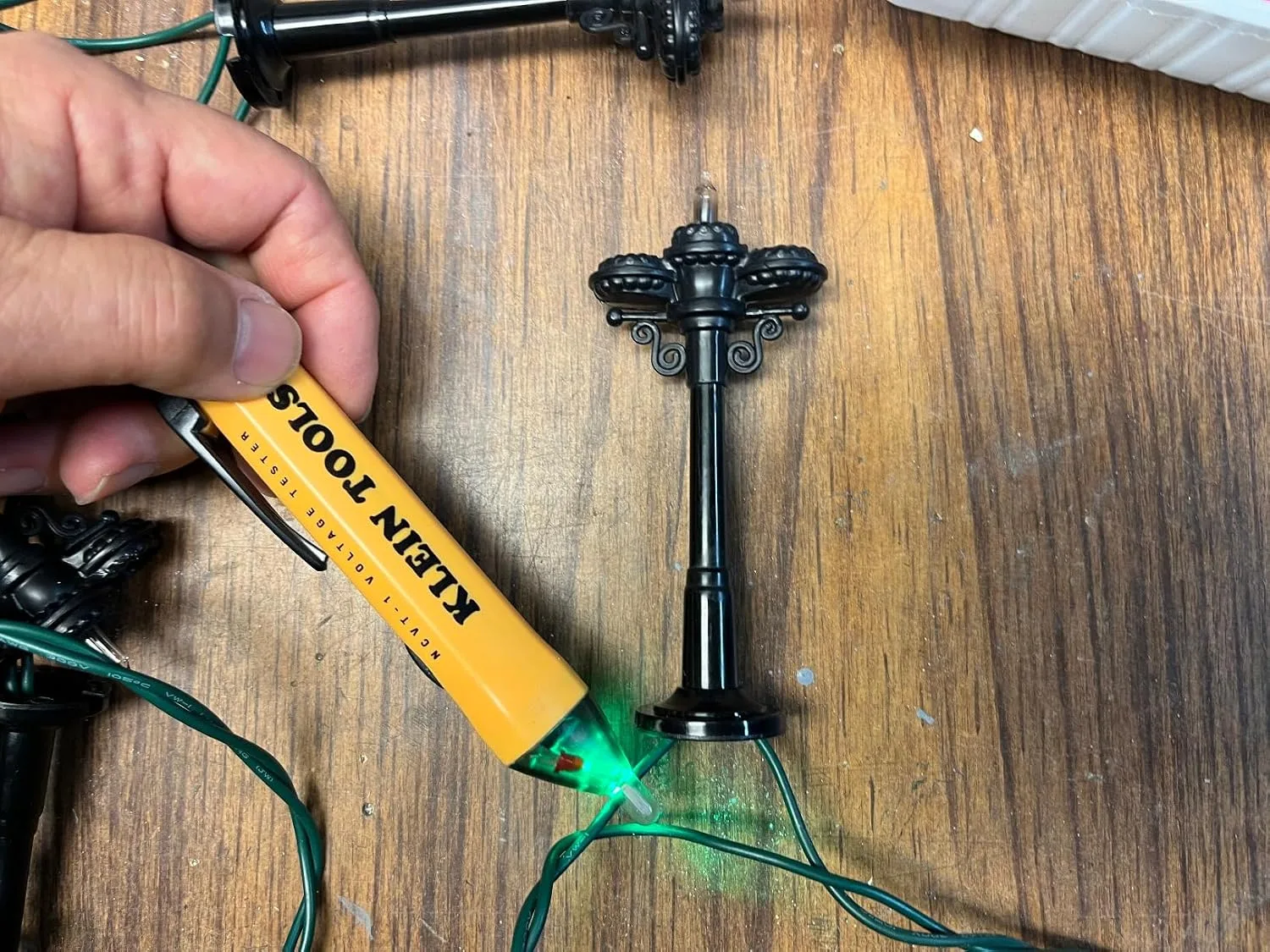
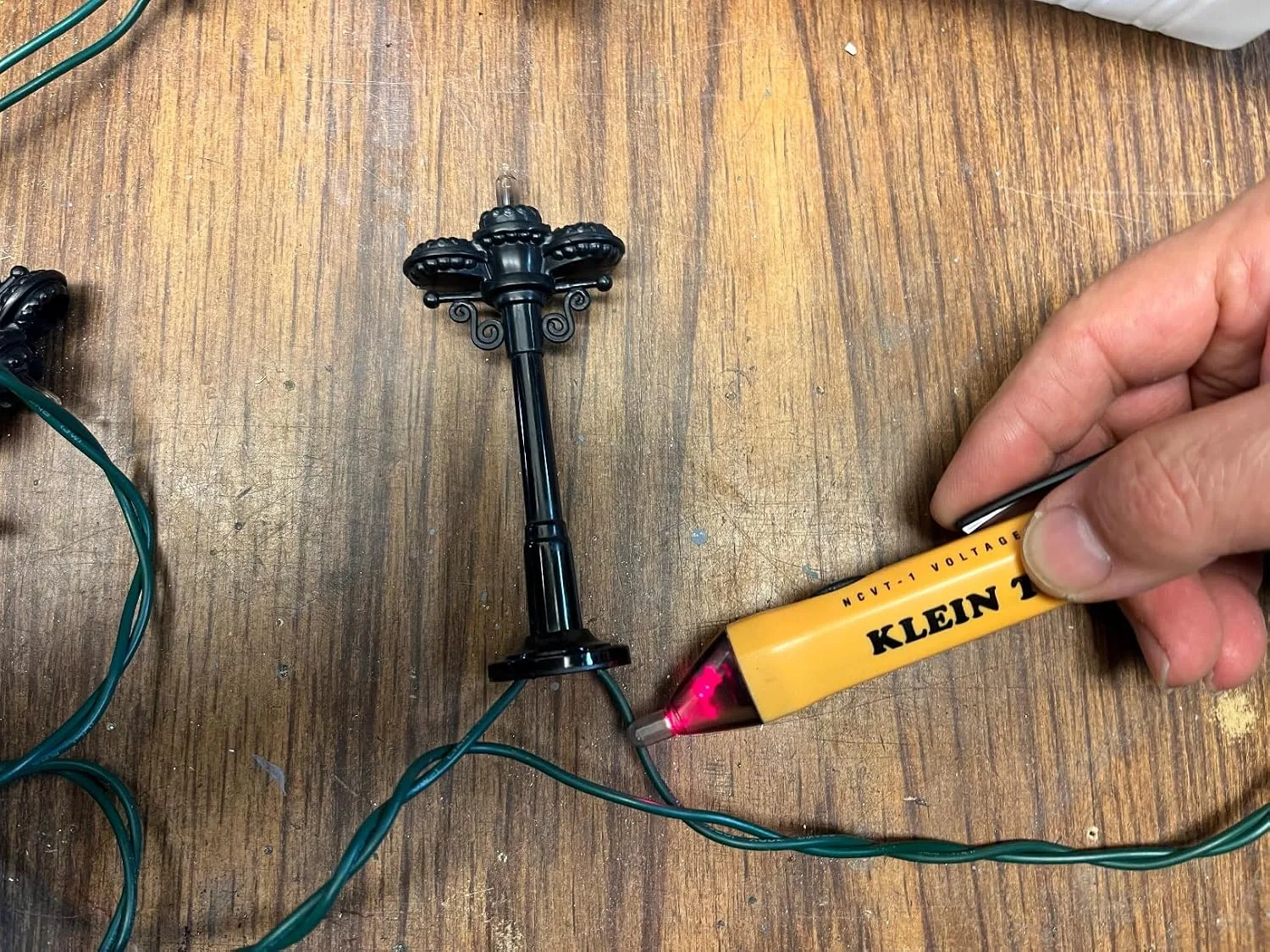
Before I owned a proper non-contact voltage tester, I was exactly the person I warn homeowners against — poking live outlets with whatever metal object was handy. The Klein Tools NCVT1P is the one tool that changed that habit overnight because it actually works from a safe distance.
What works
- Detects live current without touching anything — you hold it near an outlet or wire and it lights up and buzzes if voltage is present
- Pocket-sized enough that you’ll actually carry it, unlike bulkier meters that live in the garage and never come with you
- Works on standard 120V household circuits instantly — no guessing, no waiting, just instant feedback before you touch anything
What doesn’t
- Won’t tell you *how much* voltage is present, only that voltage exists — if you need exact readings, you need a multimeter
- Occasionally gives false positives on outlets near fluorescent lights or certain wiring conditions, so you still need to think through what you’re testing
I remember testing an outlet once and getting no buzz, then reaching in and nearly touching a live wire — turns out I was standing at a weird angle and the tester hadn’t picked up the signal clearly. After that, I always test twice and move around to confirm. If you want the confidence that comes with actually knowing before you touch, grab a Klein Tools NCVT1P.
This post contains affiliate links. As an Amazon Associate, I earn from qualifying purchases at no extra cost to you.