
The question of smart plug vs smart switch when to use each comes up constantly in my work. Just last month, a homeowner called me frustrated — she’d bought four smart switches for her living room lamps, hired someone to install them, and then discovered none of those lamps were hardwired. They all plugged into wall outlets. She wasted about $180 and a weekend on the wrong solution. That kind of mistake is easy to avoid once you understand what each device actually does and where it genuinely belongs.
I’ve been pulling wire and programming home automation setups for 12 years. In that time, I’ve installed hundreds of smart switches and plugged in even more smart plugs. The two devices solve different problems. Choosing wrong doesn’t just cost money — it can create real safety issues if someone installs a switch where it doesn’t belong. So let me break this down the right way.
What Each Device Actually Does
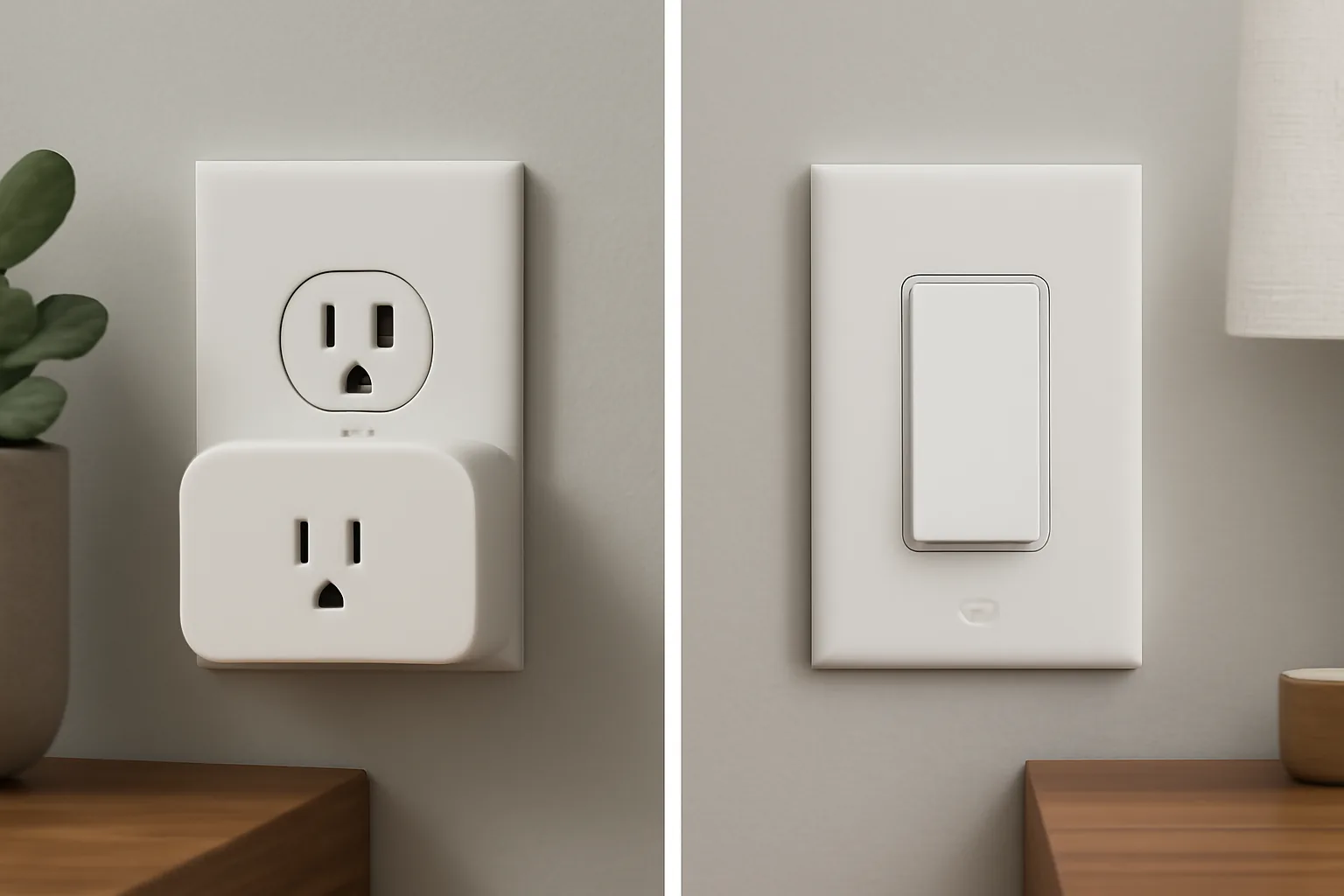
A smart plug is an adapter. You plug it into an existing outlet, and it adds Wi-Fi control to whatever device is plugged into it. No wiring required. No permits needed. You’re simply adding a layer of intelligence between the outlet and the device. Most smart plugs — including the ones I recommend — run on 2.4GHz Wi-Fi and work directly with Alexa and Google Home without a hub.
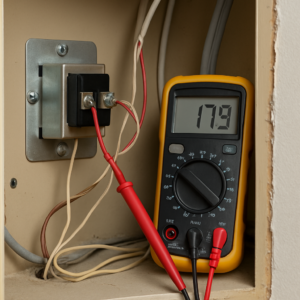
A smart switch, on the other hand, replaces your existing wall switch entirely. It requires you to open the wall box, disconnect the old switch, and wire in the new one. In the United States, NEC Article 300 governs how wiring inside boxes must be handled. Most smart switches also require a neutral wire — and older homes built before the 1980s often don’t have one at the switch location. That’s a real constraint I run into regularly.
So right away, you can see the fundamental split. Smart plugs are for plug-in devices. Smart switches are for hardwired fixtures controlled by a wall switch. Both are legitimate tools. Neither is universally better. However, misusing either one creates problems ranging from wasted money to code violations.
Smart Plugs vs Smart Switch When to Use: The Clearest Decision Framework
Here’s the simplest rule I give every client: if the device has a power cord and plugs into a wall, use a smart plug. If the device is hardwired and controlled by a wall switch, use a smart switch. That covers 90% of decisions right there.
For example, floor lamps, table lamps, fans, space heaters, coffee makers, and window AC units all have cords. These are perfect candidates for smart plugs. You don’t touch any wiring. You don’t need an electrician. Total installation time is under 60 seconds per device. For a renter, this is especially important — you can take smart plugs with you when you move.
Smart switches belong at ceiling lights, hardwired bathroom fans, hardwired ceiling fans, and any fixture that’s controlled only by a wall switch. These aren’t accessible via a cord. The only way to add smart control is at the switch itself. That said, this requires opening the wall box, verifying wire configurations, and in many cases, confirming neutral wire availability before purchasing any switch.
When the Answer Isn’t Obvious
Some situations are genuinely gray. A table lamp plugged into a switched outlet — where the outlet itself is controlled by a wall switch — could go either way. In my experience, a smart plug wins here because it gives you per-device control rather than cutting power to everything on that circuit. Switched outlets are common in living rooms built before 2002, and homeowners often don’t realize the outlet is switched until something stops working.
Another gray area: garage door openers, window units, and plug-in EV trickle chargers. These draw higher amperage. Always check the device’s rated draw against the smart plug’s maximum load. Most quality smart plugs are rated for 15A at 120V — that’s 1,800 watts. Anything above that, and you’re outside safe operating limits regardless of what the plug’s marketing says.
The Real Advantages of Smart Plugs Most People Overlook
I learned this the hard way early in my career. I used to push smart switches for almost everything because I liked the “cleaner” look. Then a client called me three months after an install — she’d moved her lamp and couldn’t figure out why the switch no longer did anything. The lamp had moved to a different room. The switch stayed on the wall. The smart control was now tied to a dead wall switch with nothing on the other end. Smart plugs travel with the device. That’s a significant advantage.
Smart plugs are also faster to deploy. I’ve set up eight-plug automation systems in under 20 minutes. With smart switches, each install takes 30–45 minutes minimum — checking the box, confirming wiring, making safe connections, patching the cover, and testing. Multiply that by a whole house and you’re looking at a full day of labor. For a rental property I manage, smart plugs saved me roughly six hours of install time and about $400 in avoided electrician labor.
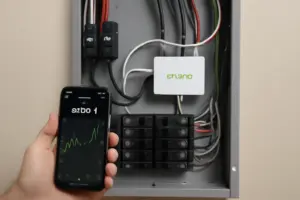
Energy monitoring is another underrated feature. Several smart plugs — including the Kasa EP10 series — track wattage in real time through the app. That lets you see exactly how much that old chest freezer in the garage is costing you monthly. Smart switches rarely include this feature at the same price point. For anyone serious about reducing their electricity bill, that data matters.
The Smart Plug That Finally Made My Rental-Friendly Approach Work
If you’ve got lamps, fans, or any plugged-in device you want to control remotely, a smart plug is your fastest path to automation without touching your home’s wiring. It’s the difference between a weekend DIY win and calling an electrician you don’t need.
What works
- Installs in seconds — literally just plug it in and pair it to your app. No breaker box access, no wire stripping, no rewiring behind walls.
- Compact enough that it doesn’t block adjacent outlets, so you’re not losing real estate on your power strip or outlet bank.
- Works with any device that has a plug — lamps, space heaters, Christmas lights, smart speakers. You’re not locked into hardwired fixtures.
What doesn’t
- You’re limited to the reach of your outlet and Wi-Fi signal — if you need control across a wall without an outlet, you’ll still need a switch.
- If the power cuts out at the breaker, the plug loses connectivity until you manually reset it (no scheduled recovery like some hardwired systems).
I almost missed the outlet situation on a guest bedroom project myself — grabbed smart switches first, then realized the bedside lamps were all plug-in and nearly had to eat that cost. Pick up the Kasa Smart Plug Mini 15A, 4-Pack (EP10P4) instead, and you’ll have the right tool for the job.
This post contains affiliate links. As an Amazon Associate, I earn from qualifying purchases at no extra cost to you.
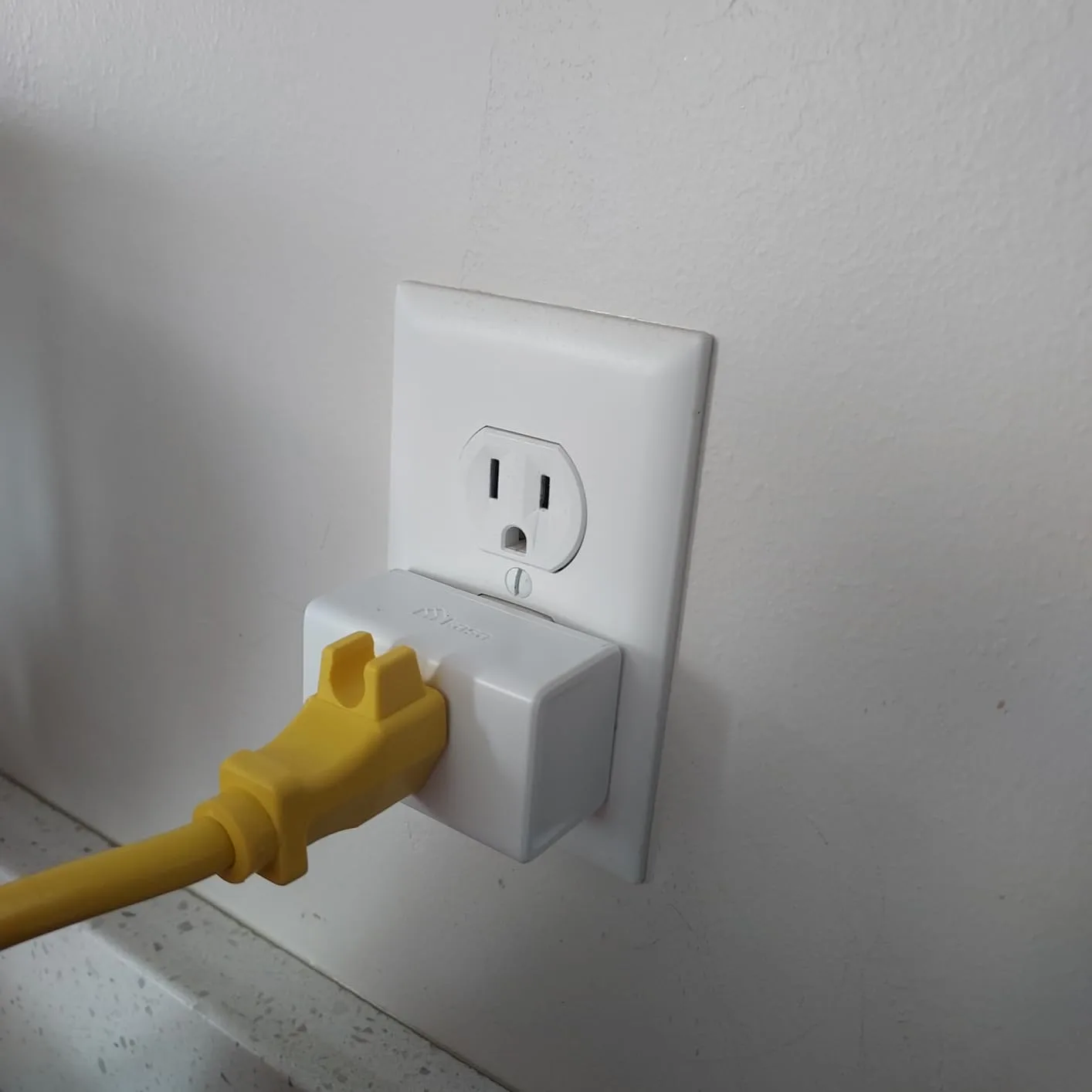
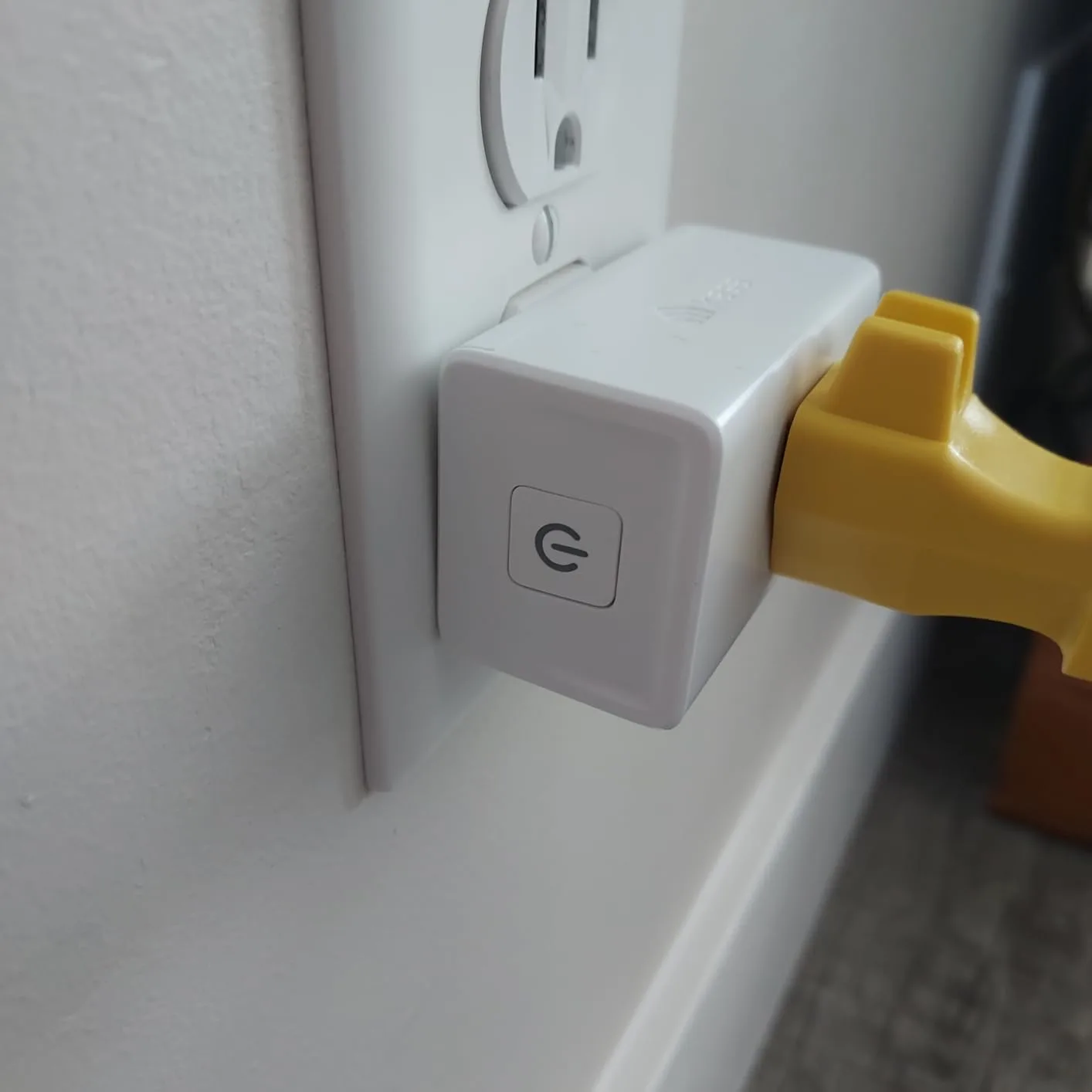
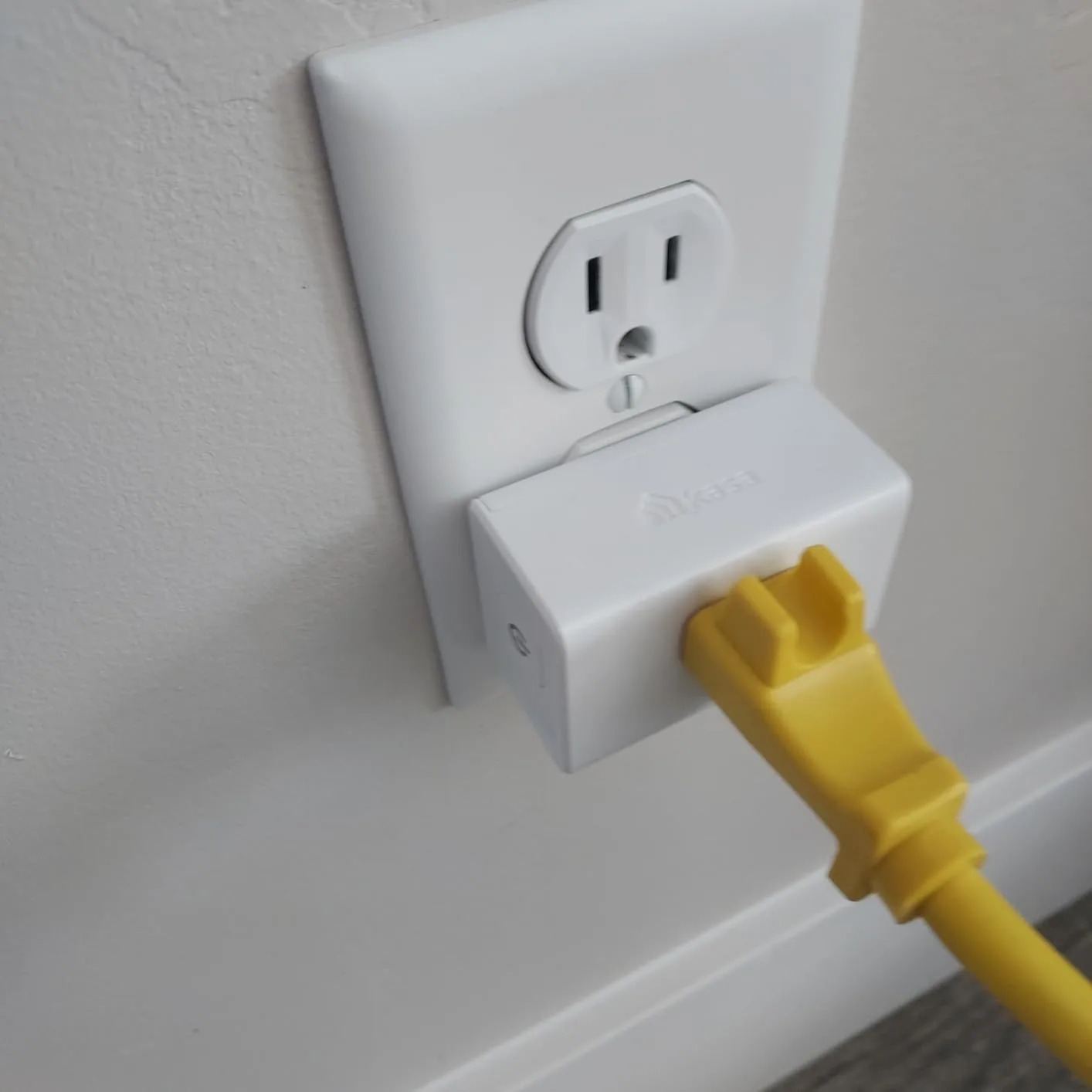
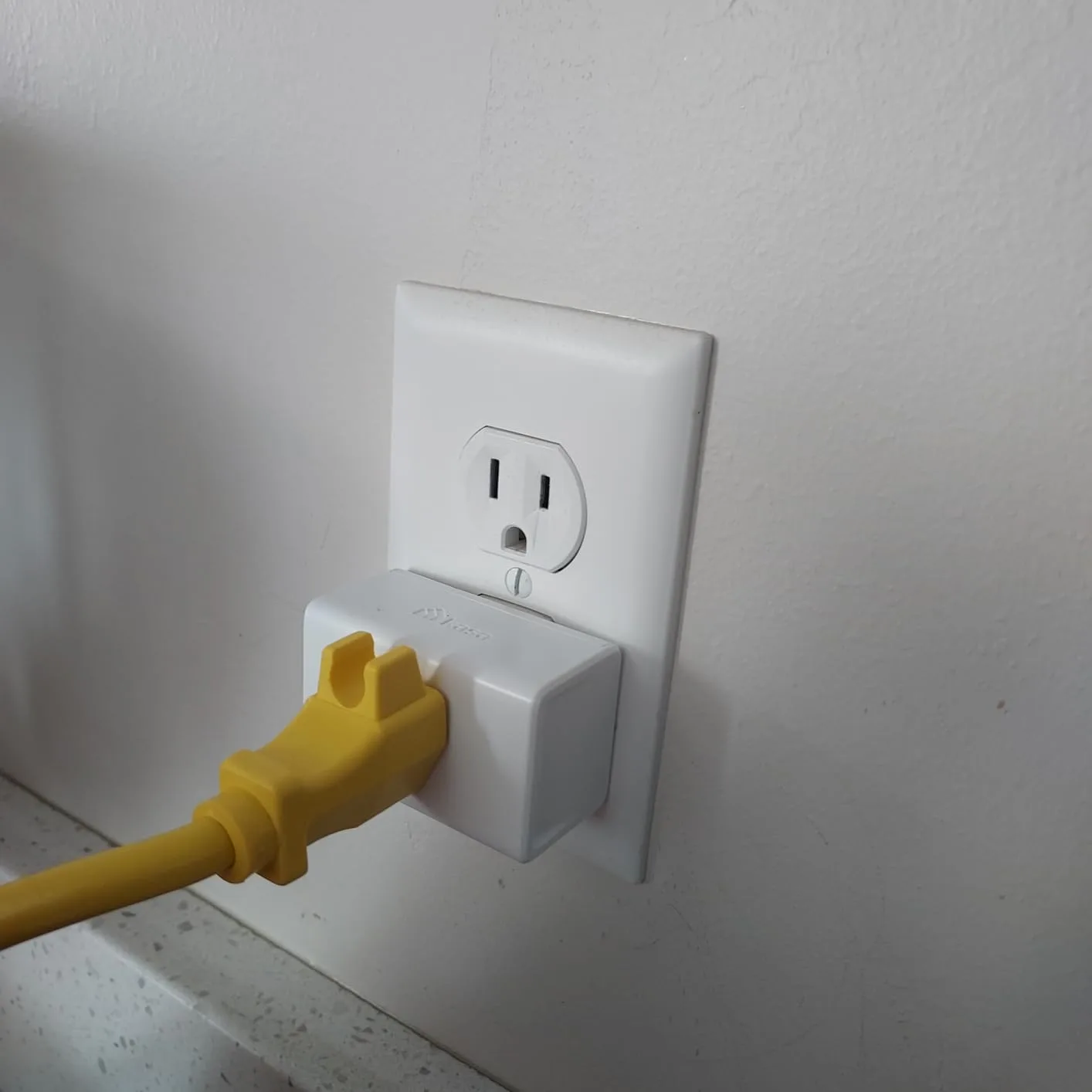
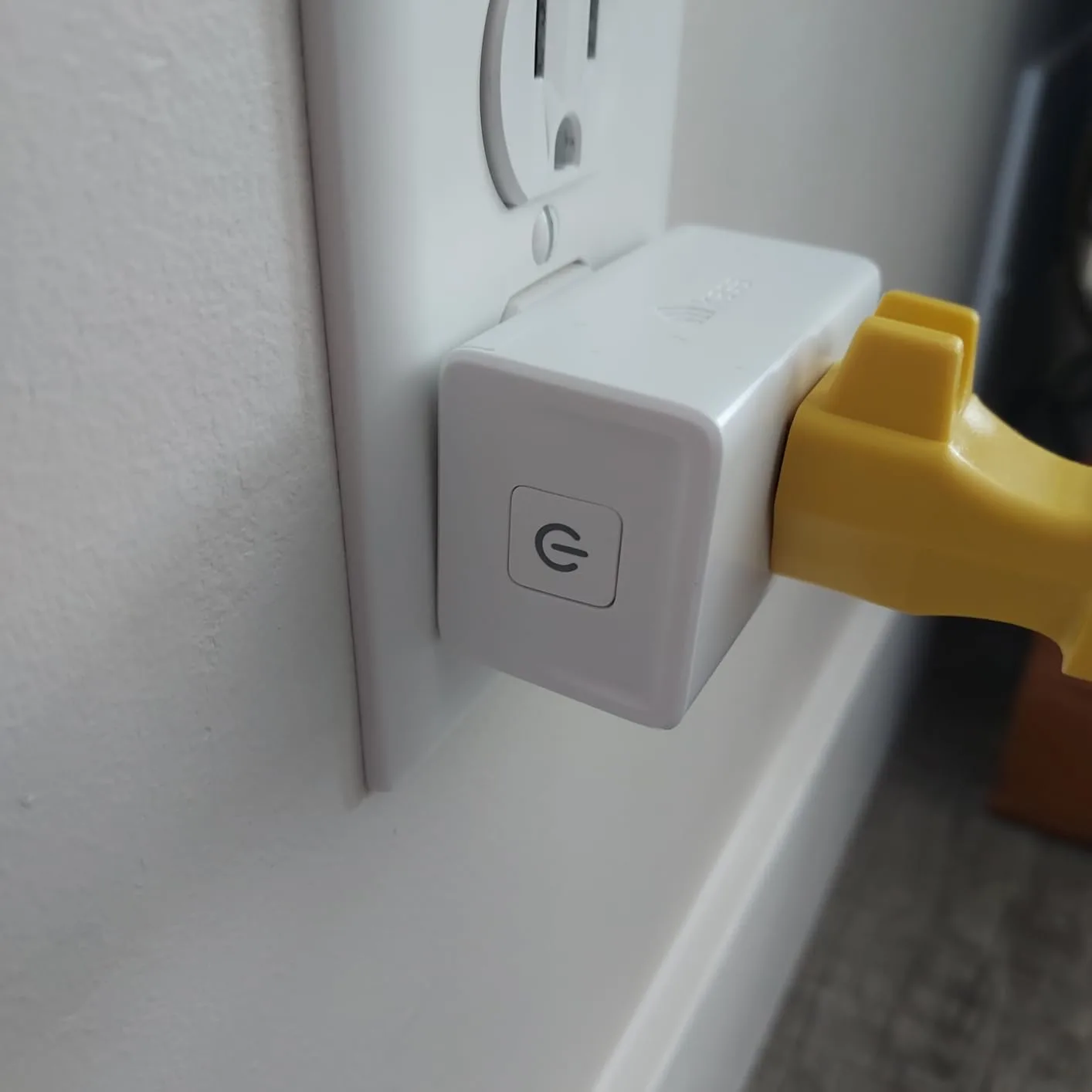
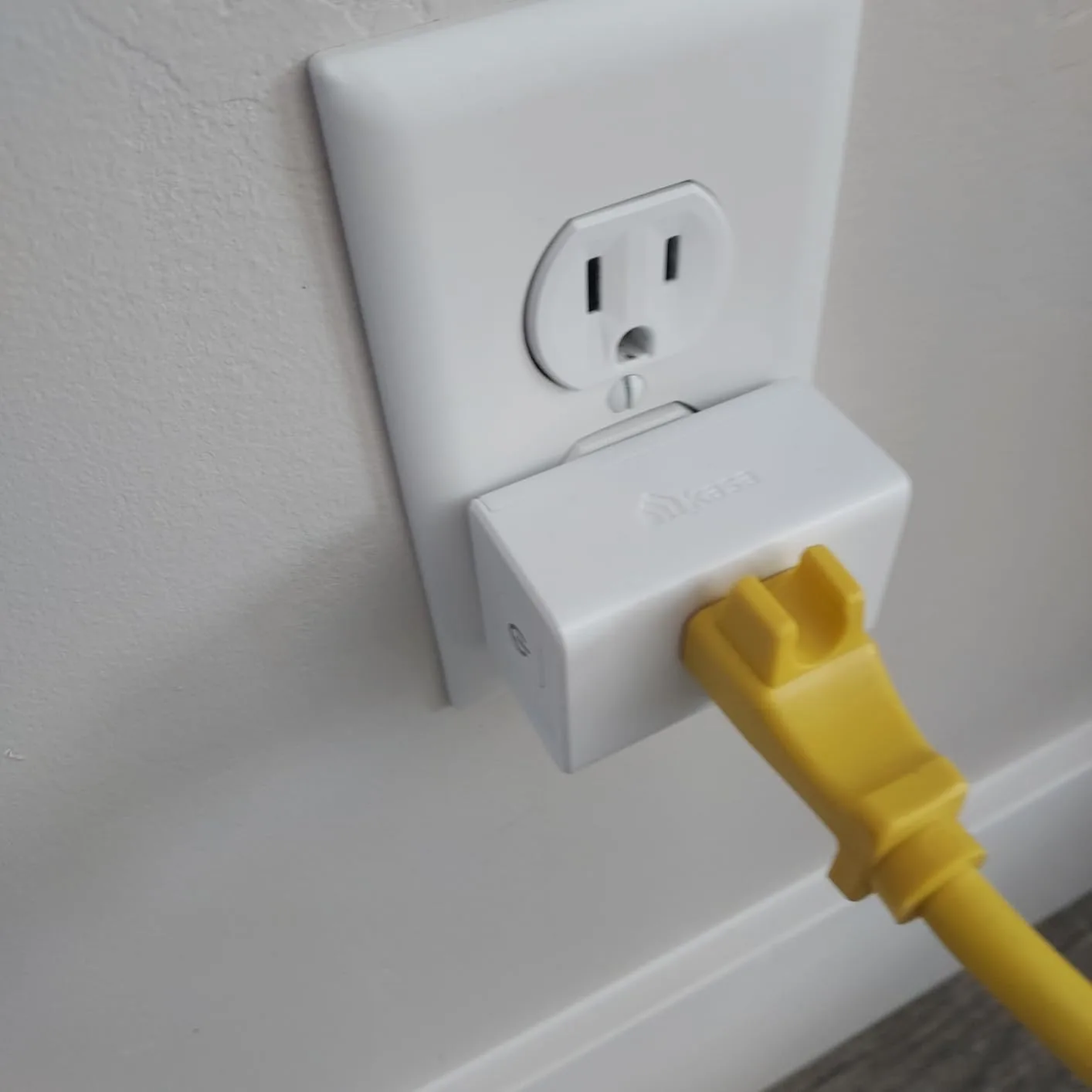
Kasa Smart Plug Mini 15A, 4-Pack (EP10P4)
I plug these into outlets where hardwired switches won’t work, and they disappear behind furniture.
Check Price on Amazon →