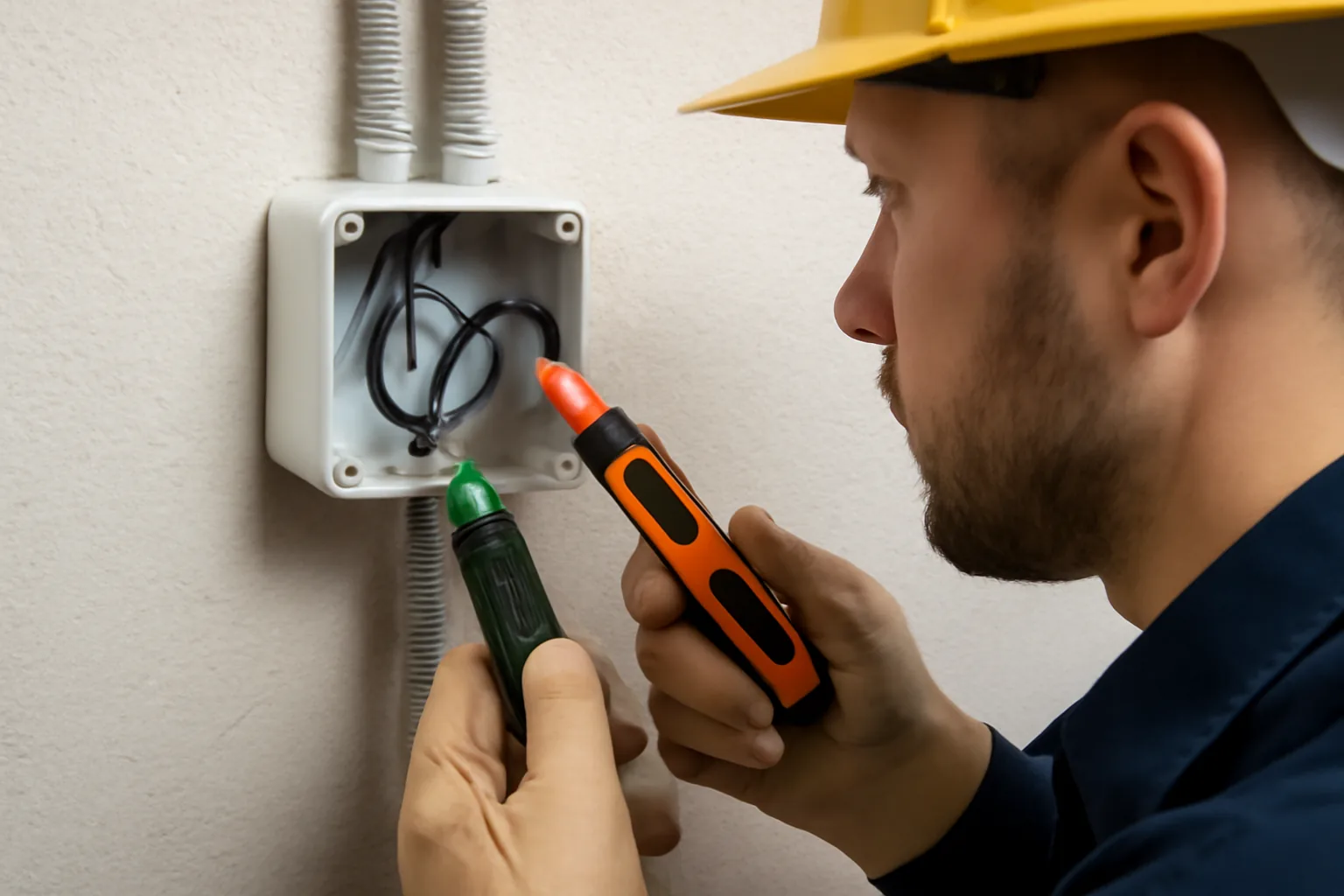

I want to tell you about the day I nearly grabbed a live wire because my non-contact voltage tester said it was dead. I was pulling out an old double-pole breaker in a residential panel — a job I’d done hundreds of times. My tester showed no voltage. I reached in. Something felt wrong, so I stopped and grabbed my second tester. That one screamed. There was 240 volts sitting right where my hand was about to go. That moment changed how I work forever, and it’s exactly why non contact voltage tester reliability isn’t just a technical talking point — it’s a life-or-death conversation.
Here’s the thing most DIYers and even some newer electricians don’t fully grasp: no non-contact voltage tester is 100% reliable, 100% of the time. These tools are incredible. They’re fast, they’re safe, and they’ve become standard on every tool belt in the trade. However, they have real-world failure modes that manufacturers document right in their spec sheets. Battery condition, wire insulation thickness, shielded cable, electromagnetic interference — all of these can affect a reading.
After 12 years as a licensed electrician — working everything from new residential builds to commercial solar installations — I’ve developed a strict personal rule: I never trust just one non-contact voltage tester. In this post, I’ll explain why, walk you through how these tools actually work, and share the exact gear I carry on every job.
How Non-Contact Voltage Testers Actually Work
These tools detect the electromagnetic field generated by AC voltage. When you bring the tip near an energized conductor, the alternating current creates a field that the tester picks up. Most residential models detect AC voltage between 50V and 1000V. The tester doesn’t need to touch the wire — that’s the whole point. No probes, no contact, no direct exposure.
That sounds foolproof. It isn’t. The electromagnetic field has to be strong enough to pass through the insulation and reach the sensor tip. Thick or shielded insulation can suppress that field. Low batteries weaken the sensor sensitivity. Some industrial environments have enough ambient EMF interference to cause false positives — the tester beeps when nothing is energized. Meanwhile, certain conditions cause false negatives, which is the dangerous one.
I learned this the hard way early in my career. I was testing a switch leg in an older home with cloth-wrapped wiring from the 1940s. My tester showed nothing. The wire was live. The cloth insulation was thick enough and deteriorated in a way that partially shielded the field. My journeyman at the time handed me a second tester without saying a word. It lit up immediately. That was my education.
The Real Reasons Non Contact Voltage Tester Reliability Fails
Let’s get specific. Here are the conditions where these testers commonly give false or unreliable readings based on my field experience:
- Dead or weak batteries: Sensitivity drops significantly. Always check the self-test function before each use.
- Shielded or armored cable (MC, BX): Metal sheathing blocks the electromagnetic field almost completely.
- Thick insulation or bundled conductors: Multiple wires together can cause signal cancellation or suppression.
- High-frequency interference: Dimmer switches, variable-frequency drives, and some LED drivers generate noise that confuses sensors.
- DC voltage: Most basic NCVTs don’t detect DC at all. Solar DC circuits are completely invisible to them.
- Induced voltage on de-energized conductors: A wire running parallel to a live wire can pick up enough induced voltage to trigger a false positive.
That last one trips up a lot of people. They confirm the breaker is off, their tester beeps, and they panic thinking there’s a wiring problem. In reality, the adjacent live circuit is inducing voltage onto the dead wire. The NCVT is technically correct — there is voltage present — but the circuit itself isn’t energized. Context matters enormously in this trade.
My Two-Tester Rule and Why It Works
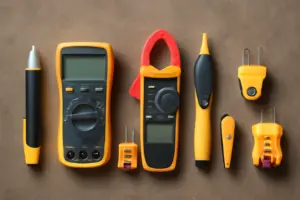
My rule is simple: before I touch any conductor I believe is de-energized, I test it with two different non-contact voltage testers. Ideally, those two testers are from different manufacturers or at minimum different product lines. If both agree — no voltage — I proceed with caution. If they disagree, I treat the conductor as live until I can verify with a contact-based multimeter.
This isn’t just personal preference. NFPA 70E, the standard for electrical safety in the workplace, outlines a verification process for establishing an electrically safe work condition. Part of that process specifically requires verifying absence of voltage with an “adequately rated” test instrument. Using two testers is a layered verification approach that aligns with the spirit of that standard — especially when working in conditions where one instrument might be unreliable.
The two-tester method takes about 15 extra seconds. That’s it. Fifteen seconds to potentially save your life. In 12 years, I’ve had three separate situations where the two testers disagreed. Each time, the circuit was live. That’s three times I could have been seriously injured. The math is simple.
What About Multimeters?
A quality digital multimeter is always part of my kit. However, it’s not a replacement for two NCVTs in most situations — it’s an additional layer. Contact-based testing requires you to physically touch probes to conductors, which introduces its own risks if the conductor’s insulation is damaged or connections are exposed. For initial go/no-go verification, the non-contact approach is faster and keeps your hands further from danger. Use the multimeter to confirm and get precise readings.
The Tester That Caught What My First One Missed
A single non-contact voltage tester can fail you without warning—and you won’t know it until your hand is inches from live power. That’s why I keep a second tester on me at all times, and why the Klein Tools NCVT1P has become my backup that’s saved me more than once.
What works
- Compact pen design fits in your shirt pocket alongside your primary tester, so you’re never without a second opinion
- Consistent sensitivity—it detects 48–1000V AC without the random false negatives that made me doubt my first one
- Audible and visual alert that’s loud enough to hear inside a breaker panel, which is exactly where you need confirmation most
What doesn’t
- Still a non-contact tool—no amount of redundancy replaces a multimeter or clamp meter when you need absolute certainty
- Battery life is maybe 2–3 years of regular use, so you need to rotate fresh units in if you’re running dual testers full-time
I’ve had moments where I second-guessed myself because two testers disagreed—that’s the confusion that costs you time on a job. Grab a Klein Tools NCVT1P Non-Contact Voltage Tester Pen and keep it as your always-on backup. It’s cheap insurance against the one mistake you won’t walk away from.
This post contains affiliate links. As an Amazon Associate, I earn from qualifying purchases at no extra cost to you.
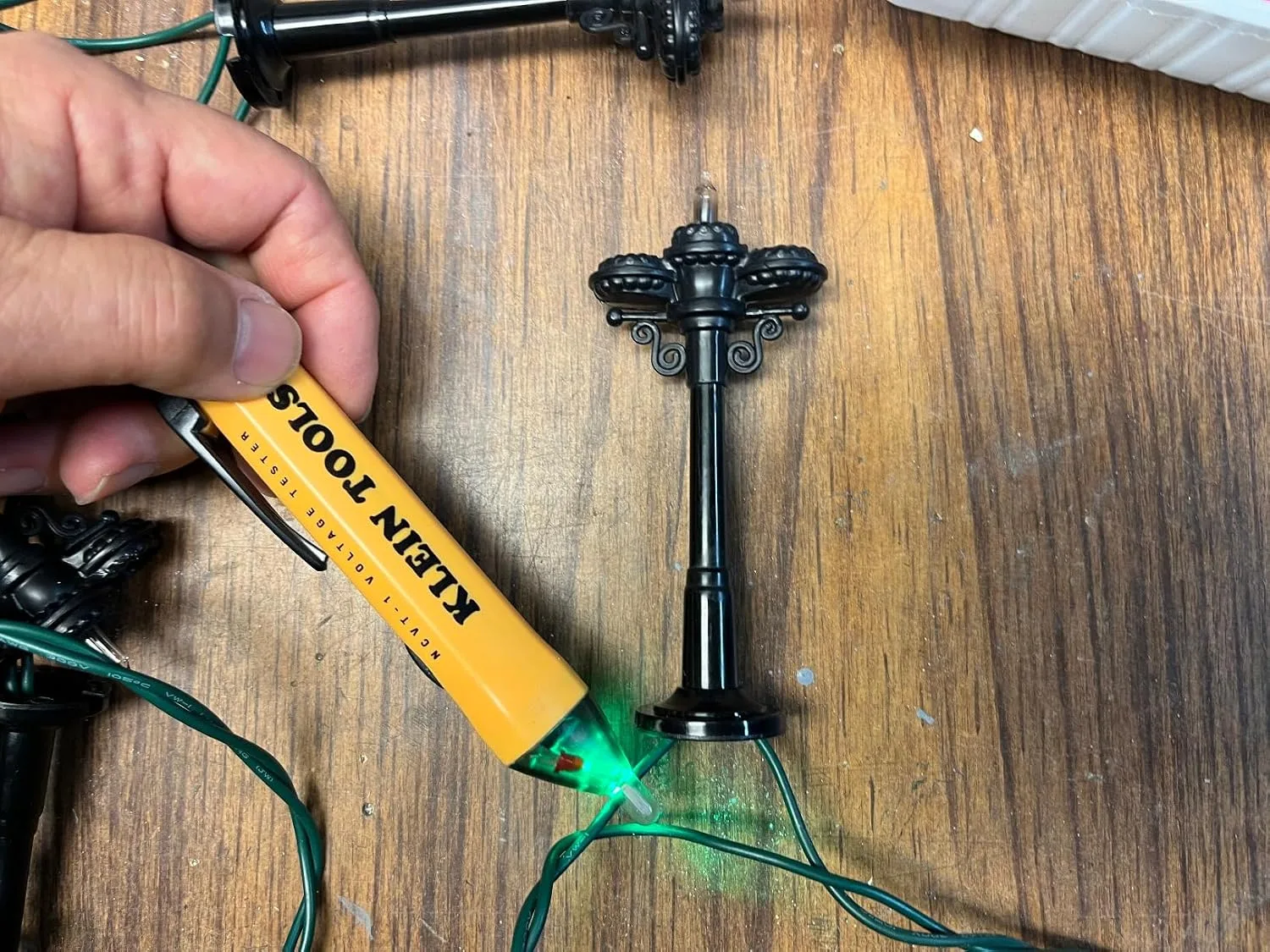
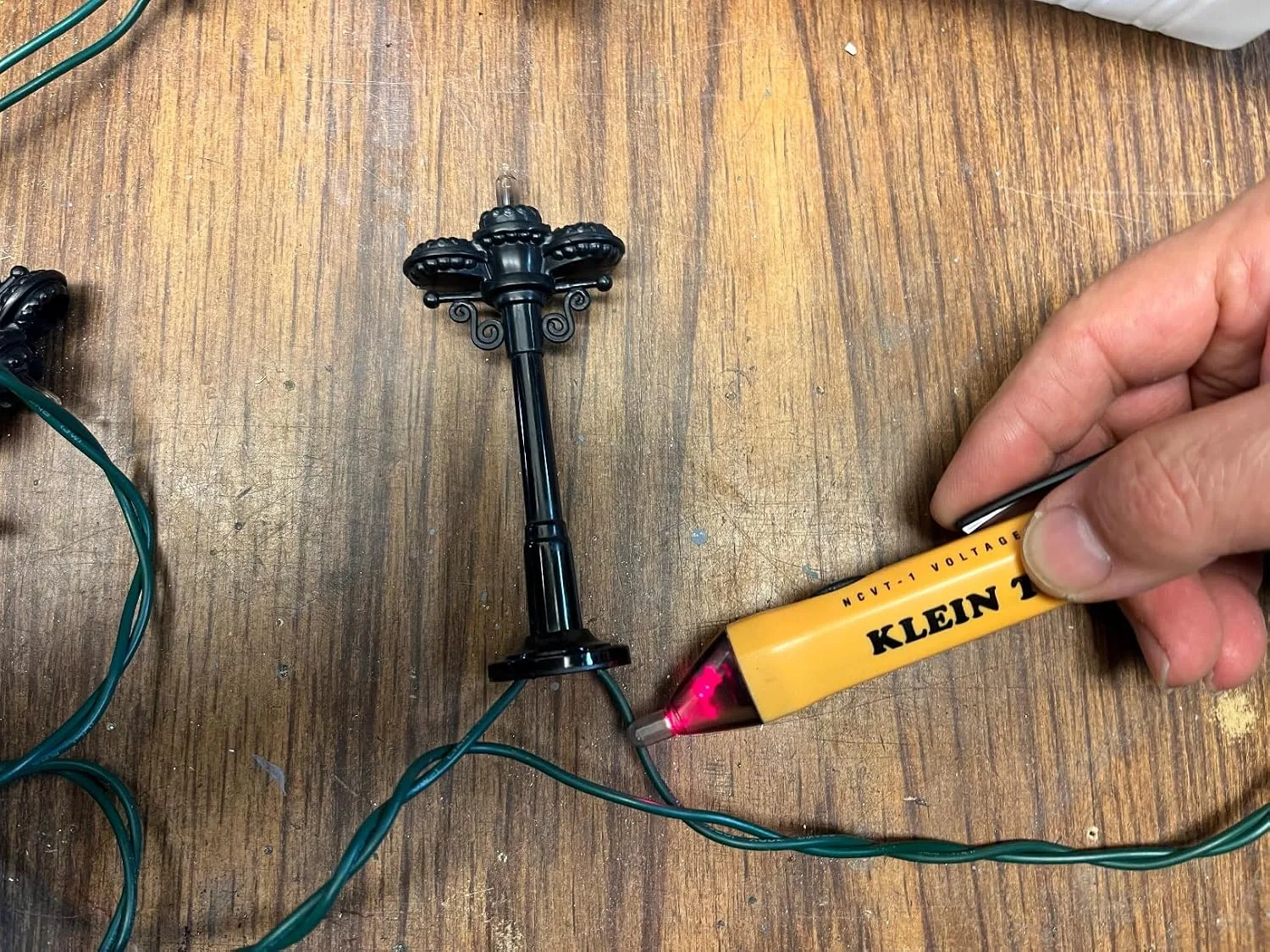
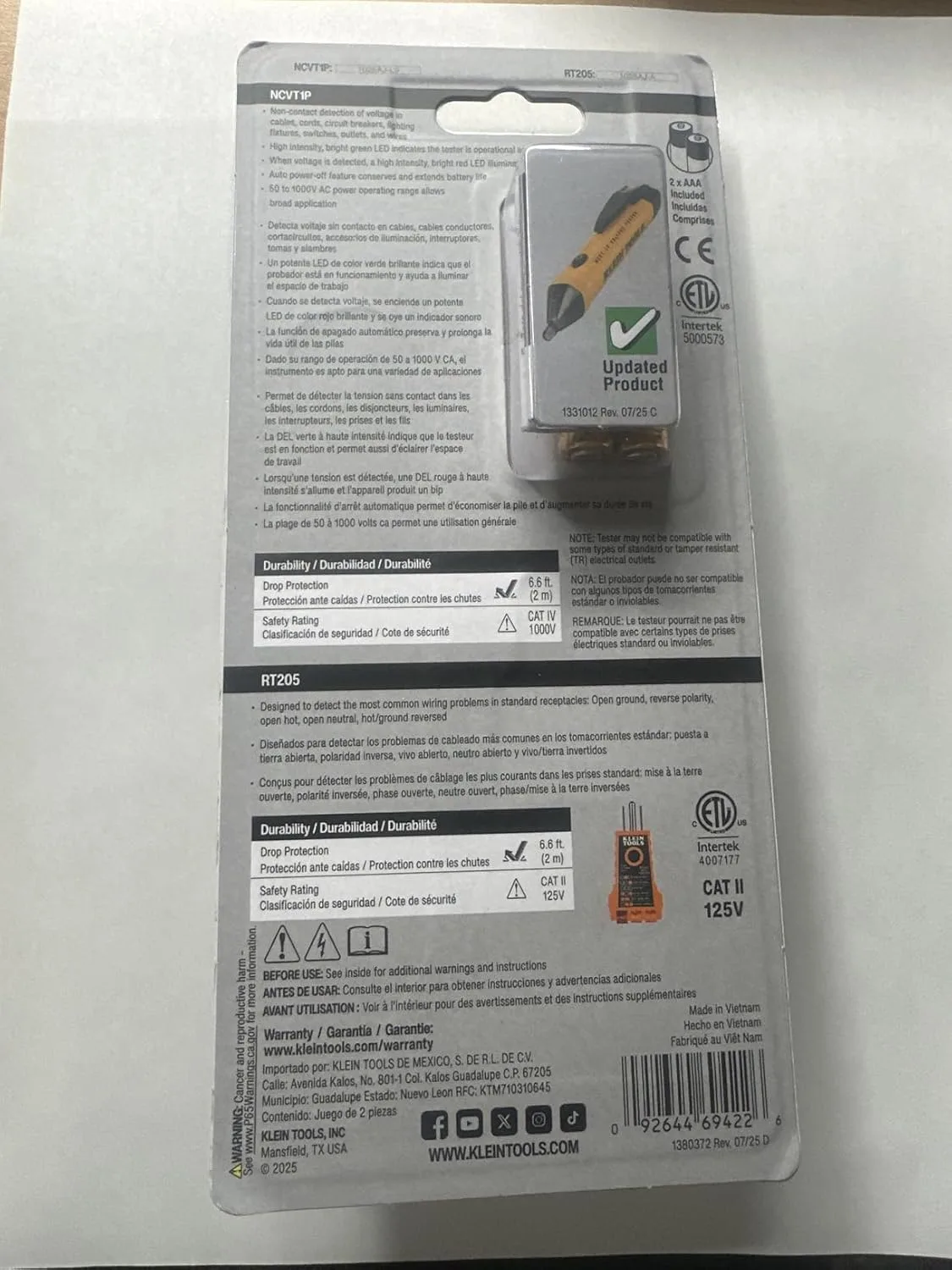
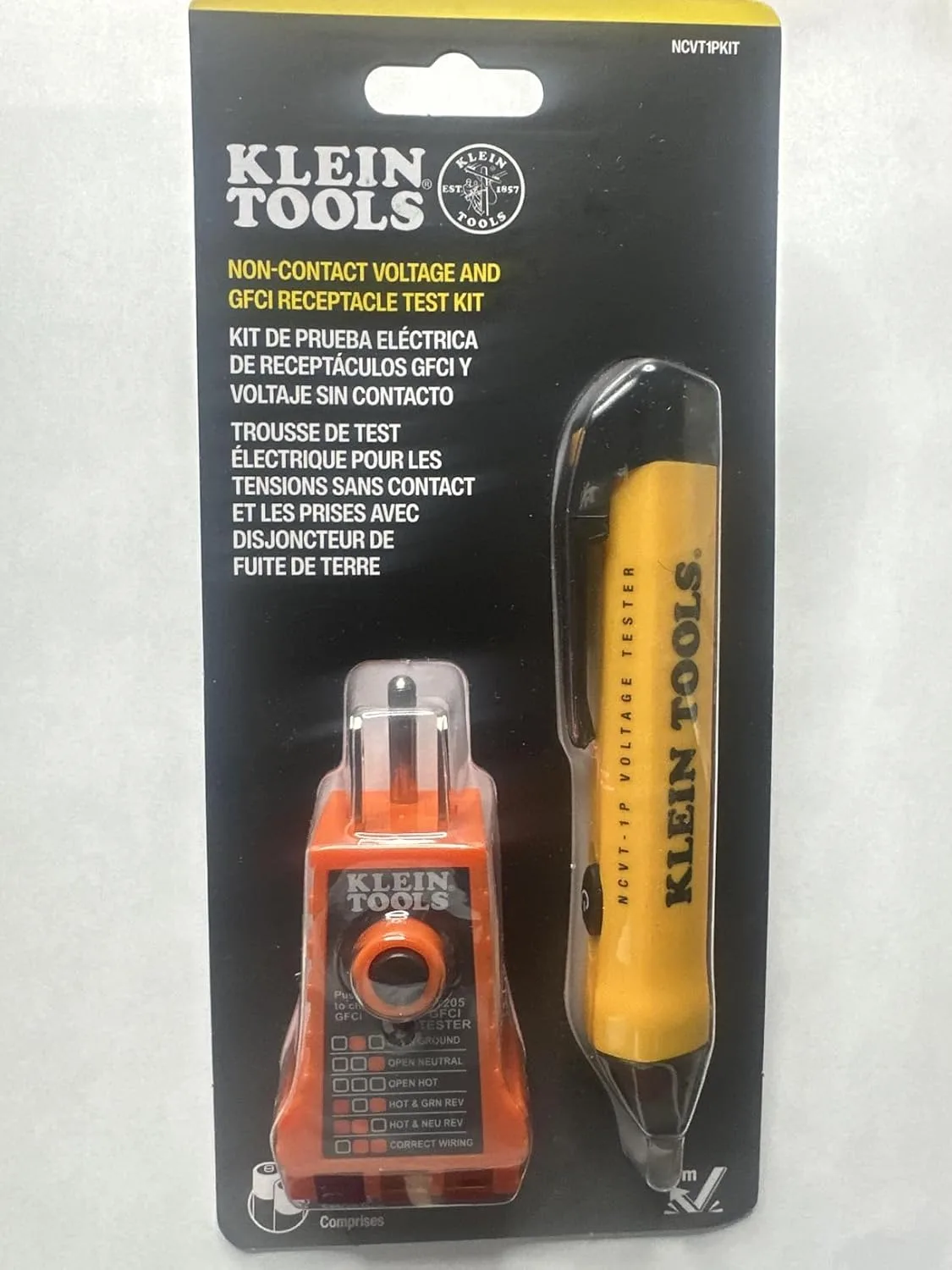
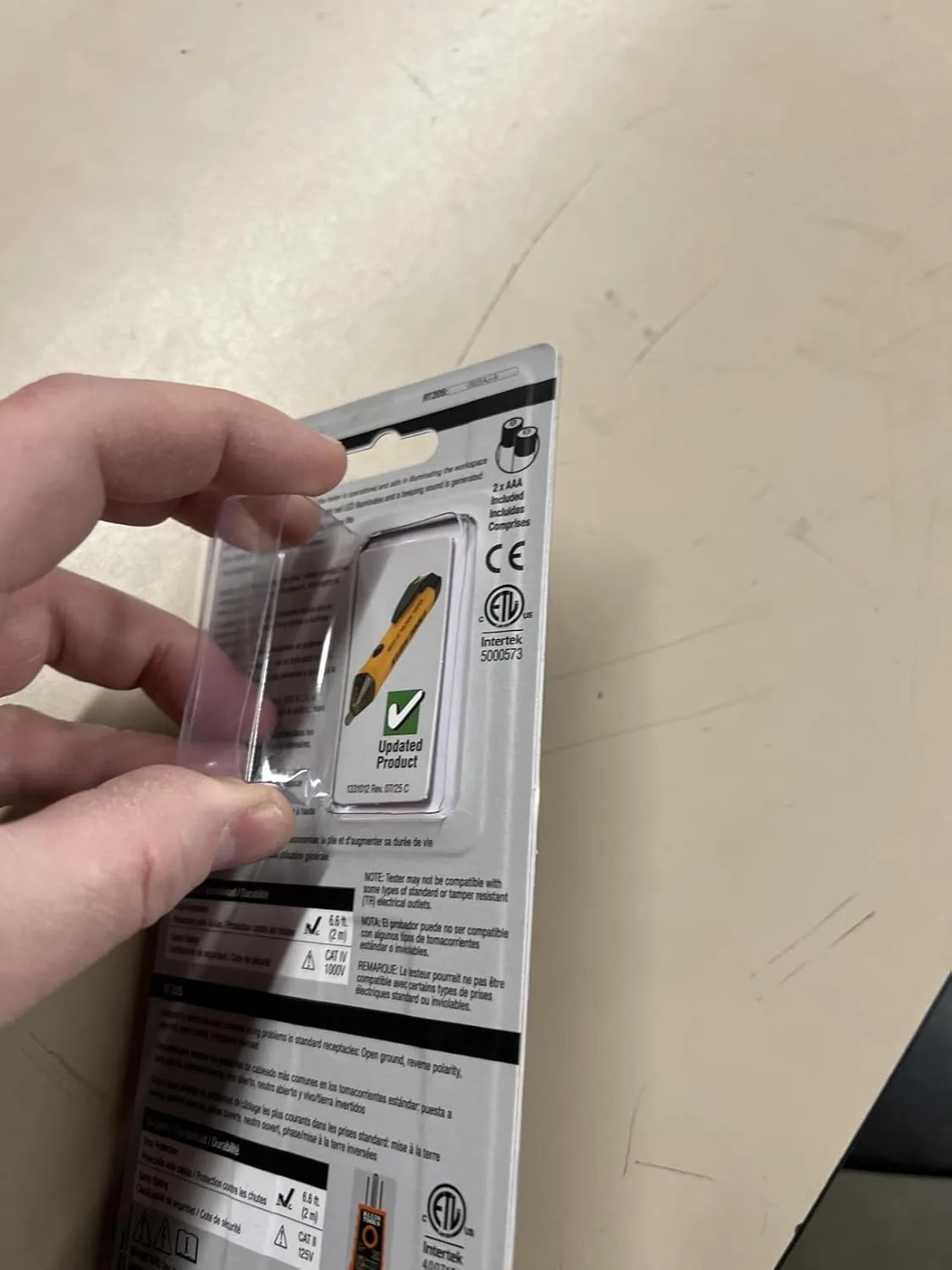
Klein Tools NCVT1P Non-Contact Voltage Tester Pen
I keep this in my pocket because I’ve learned the hard way that one voltage tester isn’t enough.
Check Price on Amazon →