The most expensive generator mistake I see homeowners make isn’t buying too small — it’s buying way too big. I’ve been doing my own electrical work for 12 years, and I’ve walked into homes where someone dropped $4,000 on a 15,000-watt generator to power a 1,400-square-foot house. Knowing how to size a generator for your house correctly saves you real money upfront and on fuel costs every time the lights go out.
Last spring, I had a client in central Ohio call me in a panic. He’d bought a massive standby unit based on his neighbor’s recommendation. The neighbor had a workshop with three-phase equipment. My client had a ranch house with gas heat. He’d massively oversized his system and overpaid by roughly $2,500. That conversation inspired me to write this guide.
I’m going to walk you through exactly how I size generators for friends and neighbors — the same process I use on every service call. No fluff, no vague “it depends” answers. Just a clear, step-by-step method that gets you the right unit without wasting your budget.
| Backup Type | Typical Home Size | Running Watts | Fuel Type Consideration |
|---|---|---|---|
| Essential loads only | Any size | 5,000–7,000W | Gas heat; outages <24 hours |
| Whole-home with gas heat | 2,000 sq ft | 8,000–10,000W | Furnace blower + AC + circuits |
| Whole-home with electric heat | 2,000 sq ft | 10,000–12,500W | Heat pump at 3,000–5,000W; standard furnace impractical |
| Sweet spot recommendation | Most households | 12,500W dual fuel | Covers critical loads without waste |
Why Generator Sizing Matters More Than You Think
Oversizing wastes fuel and money. Undersizing causes generator damage. Neither outcome is acceptable, and both are completely avoidable with a little math. A generator running under 50% load for extended periods actually “wet stacks” — unburned fuel deposits build up in the exhaust. I’ve seen this destroy engines that were barely two years old.
Undersizing creates a different problem. Motor-driven loads — your AC compressor, refrigerator, well pump — draw 2x to 3x their running wattage at startup. That’s called inrush current. If your generator can’t handle it, the breaker trips or, worse, the generator stalls and you lose everything you were trying to protect.
In my experience, most households fall into one of two categories: essential-only backup or whole-home backup. Knowing which camp you’re in before you shop is the first decision you need to make. It shapes everything else.
How to Size a Generator for Your House: The Load Calculation Method
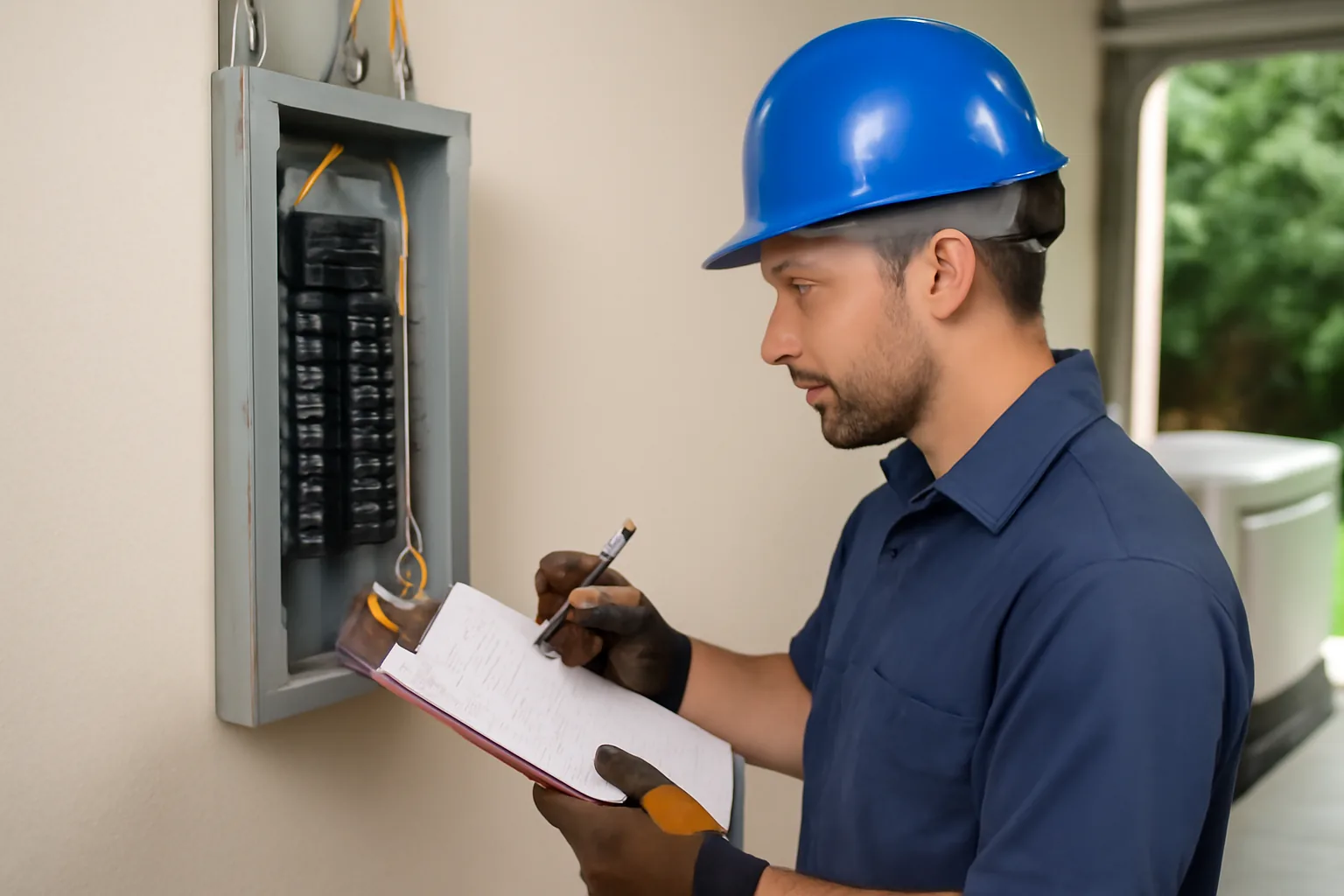
Start with a load list. I literally hand clients a clipboard and ask them to walk every room. Write down every appliance you need running during an outage. Don’t guess — pull the data plates off appliances or check the manufacturer specs online. Here’s what a typical essential-load list looks like for a 2,000-square-foot home:
- Central AC (3-ton unit): 3,500W running / 9,000W starting
- Refrigerator: 150W running / 600W starting
- Sump pump (1/2 HP): 800W running / 1,300W starting
- Well pump (1 HP): 1,000W running / 2,100W starting
- Lighting (LED throughout): 300W running
- Phone chargers, TV, router: 200W running
Add up the running wattage. That’s your continuous load. For this example, that’s roughly 6,000 watts. Then identify your single largest motor load — typically the AC — and add its starting wattage to the running total of everything else. That peak number determines your required generator output.
Running Watts vs. Peak Watts: Don’t Confuse Them
Generator specs list two numbers: running (rated) watts and peak (surge) watts. Running watts is what the unit sustains continuously. Peak watts is what it can deliver for a few seconds during motor startup. You need both numbers to do this correctly.
Here’s the rule I use in the field: size for your continuous load, then verify the peak watts handle your largest motor start. If the peak wattage isn’t high enough, that AC compressor will stall the generator every single time it kicks on. I learned this the hard way on a job in 2016 when I spec’d a generator that was technically “big enough” on paper but tripped every time the well pump cycled. The client wasn’t happy, and I had to swap the unit at my own expense.
Always build in a 20% headroom buffer above your calculated continuous load. Generators run more efficiently, cooler, and last longer when they’re not maxed out. That buffer also gives you room if you add a load you forgot about.
Essential Load vs. Whole-Home Backup: Choosing Your Coverage Level
Essential-load backup means you’re powering the critical stuff: refrigerator, one or two circuits, a pump, and maybe a window AC unit. For this approach, a 5,000–7,000 watt generator covers most households comfortably. Fuel consumption stays low. Operating costs stay manageable. This is the right choice if outages in your area last less than 24 hours.
Whole-home backup is a different ballgame. You’re keeping the central HVAC running, the electric range or oven available, the electric water heater potentially online, and all the lights on. For a 2,000-square-foot home with electric heat or a large AC system, you’re typically looking at 10,000–12,500 running watts. That’s a significant jump in generator size and fuel cost.
Specifically, if your home uses natural gas for heat and cooking, your electrical demand drops dramatically. Gas appliances running on utility gas during an outage mean you only need to power the furnace blower, the AC, and your standard household circuits. That profile often lands in the 8,000–10,000 watt range. Electric-only homes need more capacity.
Electric Heat and Electric Ranges: The Big Wattage Wildcard
Electric resistance heat is the single biggest load in most homes. A standard electric furnace draws 10,000–15,000 watts on its own. Running it off a portable generator is often impractical. However, a heat pump is more efficient — typically 3,000–5,000 watts. That’s a manageable load if sized correctly.
Electric ranges draw 8,000–12,000 watts at full capacity. I typically advise clients to treat the range as a non-essential load during outages. Use a camp stove or gas grill for cooking. That decision alone can drop your required generator size by 3,000–4,000 watts — a meaningful cost savings at purchase time.
The 12500-Watt Sweet Spot That Stopped Me From Oversizing
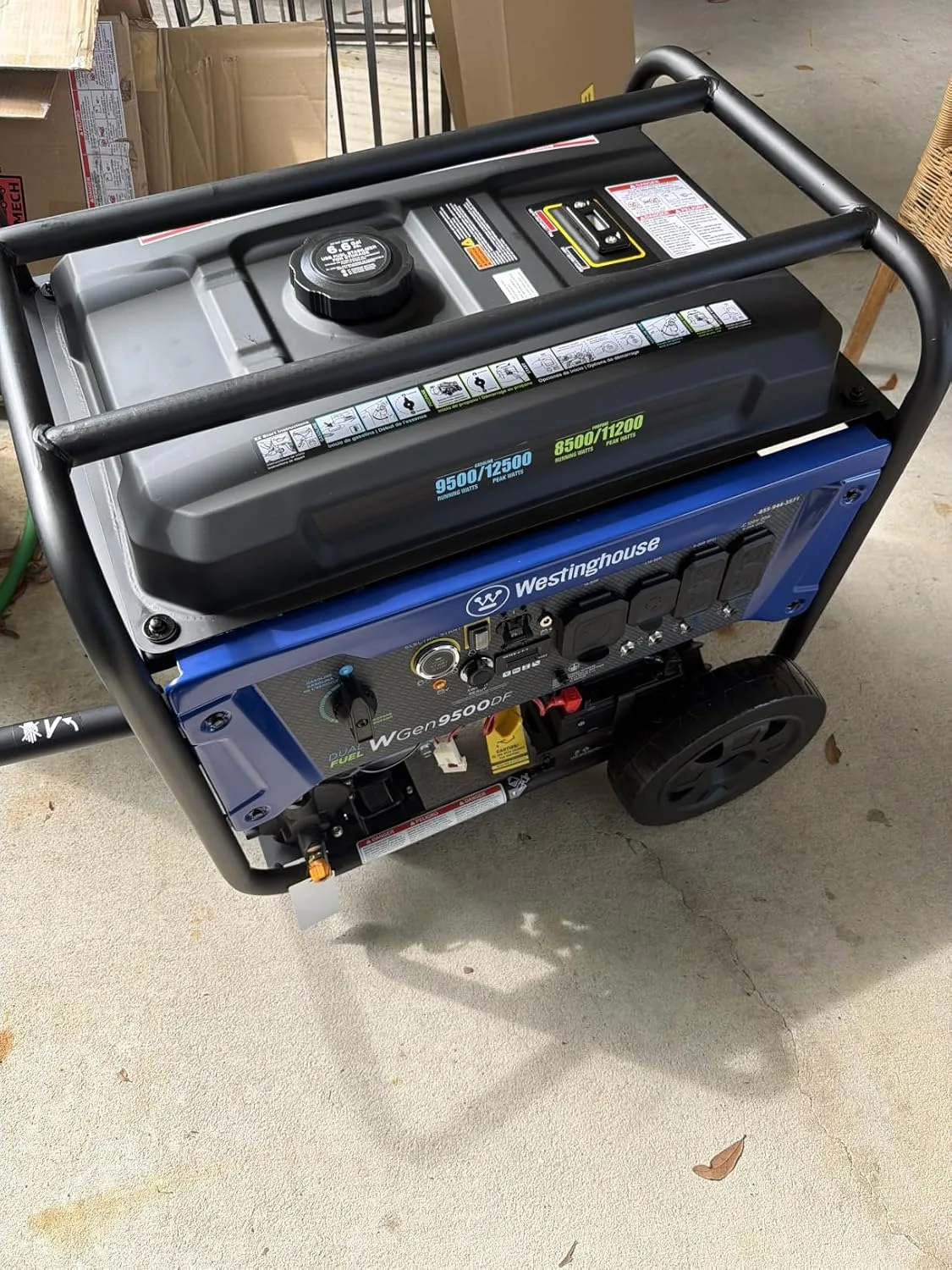
Most homeowners either guess or panic-buy, and that’s where the 12500-watt class sits—right at the intersection of covering what actually matters without the diesel-truck price tag. After sizing dozens of installs, I’ve found this wattage handles the critical loads (HVAC, well pump, refrigerator, some lights) without the fuel waste of going 15,000+.
What works
- Dual fuel means you’re not stuck if propane runs out mid-outage—gasoline keeps you running, and that flexibility has saved me on multiple long winter events.
- The wattage handles a real household load without forcing you to manually shut off half your circuits; you can actually live somewhat normally during an outage instead of playing breaker roulette.
- Portable enough to move for maintenance or store, but not so light that you feel like you cheaped out—there’s psychological confidence in owning the right tool.
What doesn’t
- Won’t run your whole house at full draw if you’re heating electrically or have a heat pump—and if that’s your situation, sizing matters even more.
- Fuel consumption sits right in the “noticeable” range during extended outages; a week without power costs real money in gas, which is exactly why right-sizing beats overbuying.
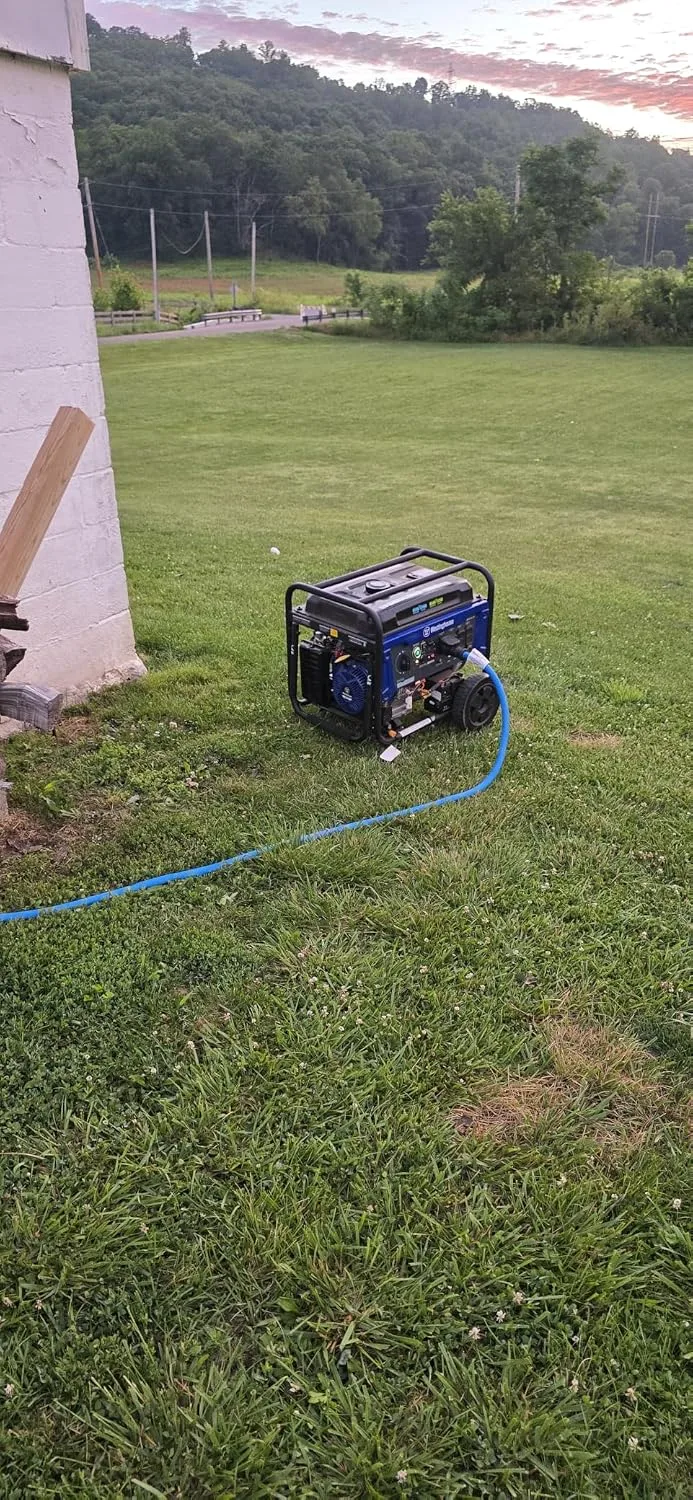
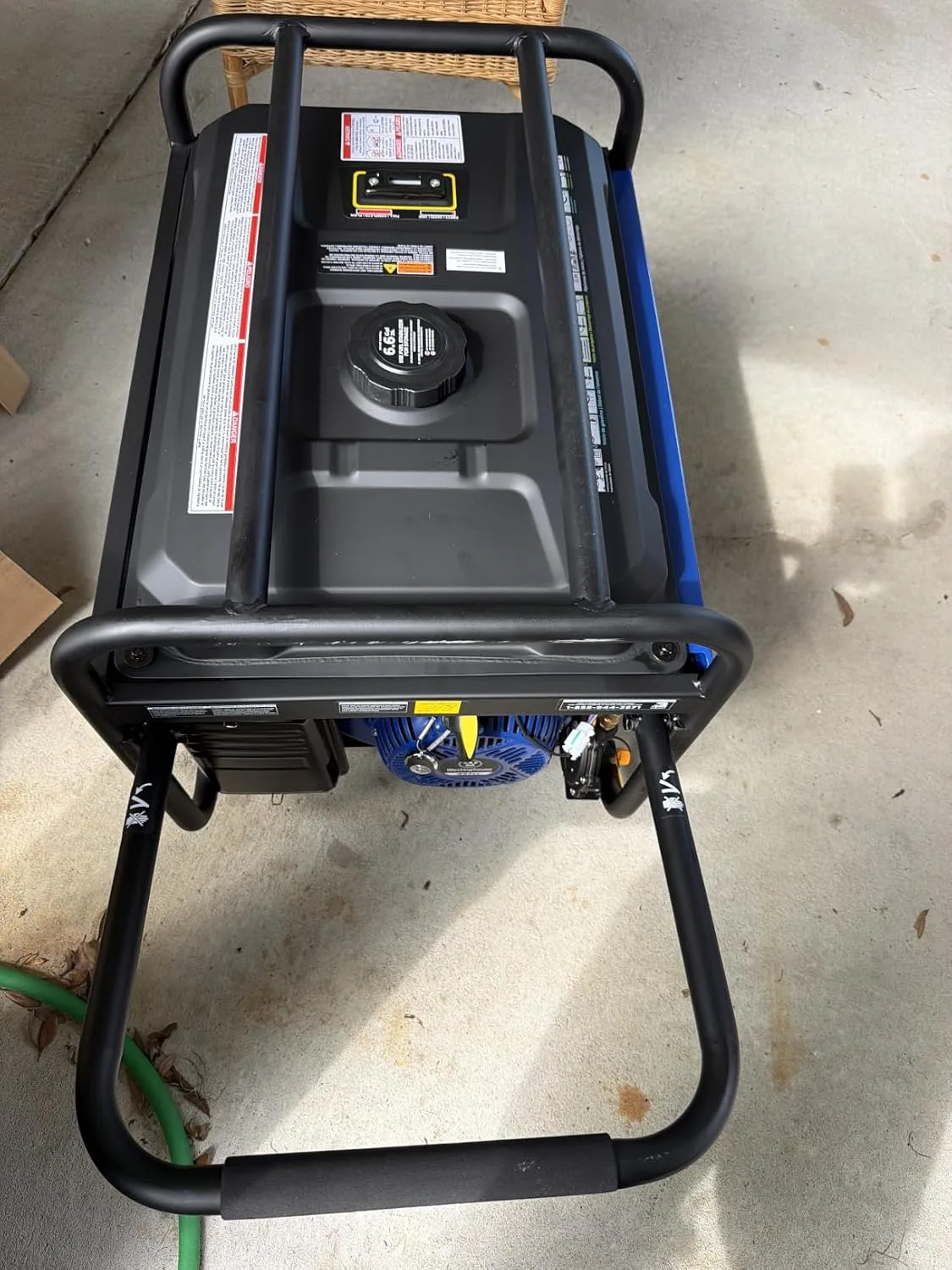
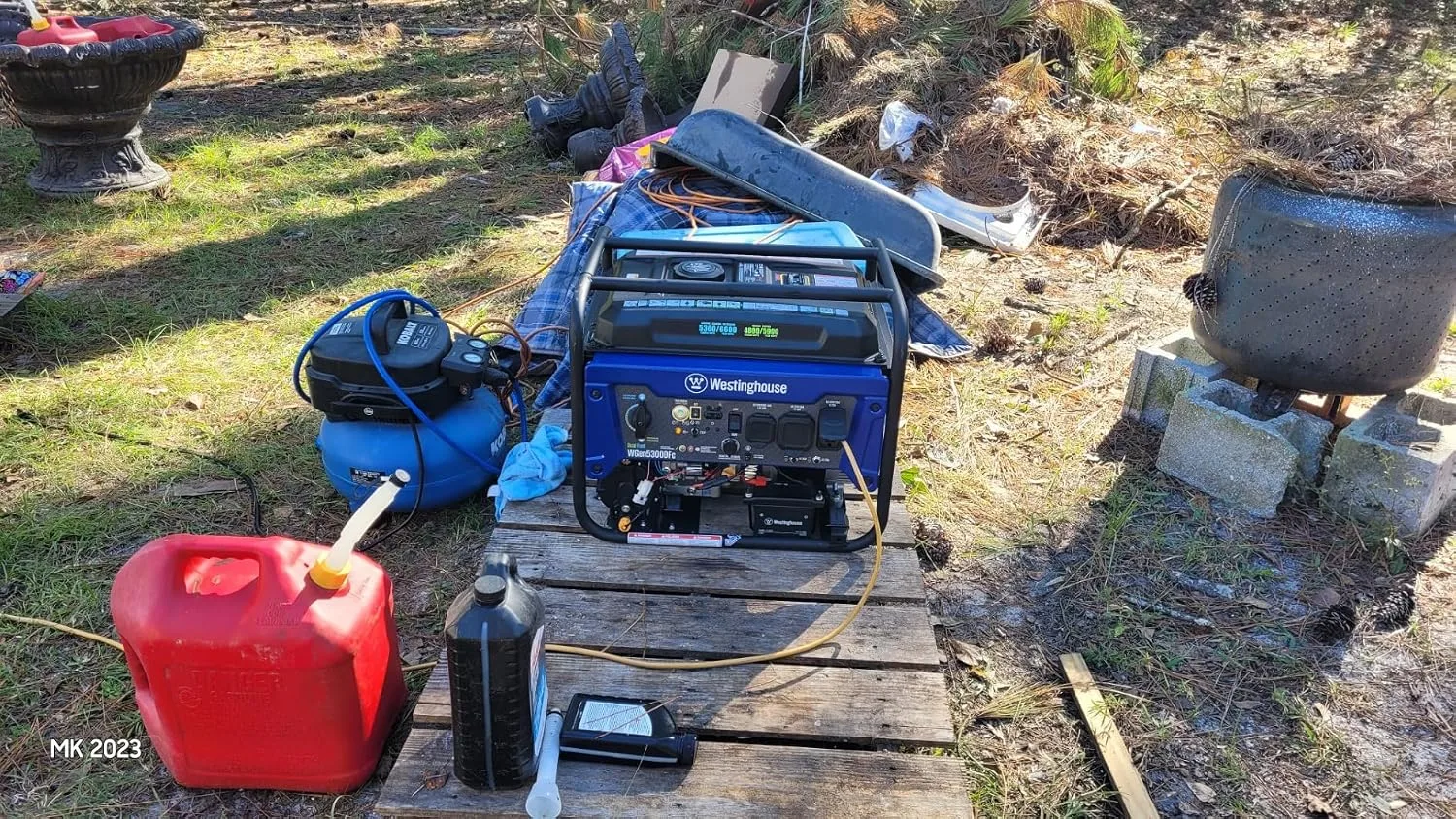
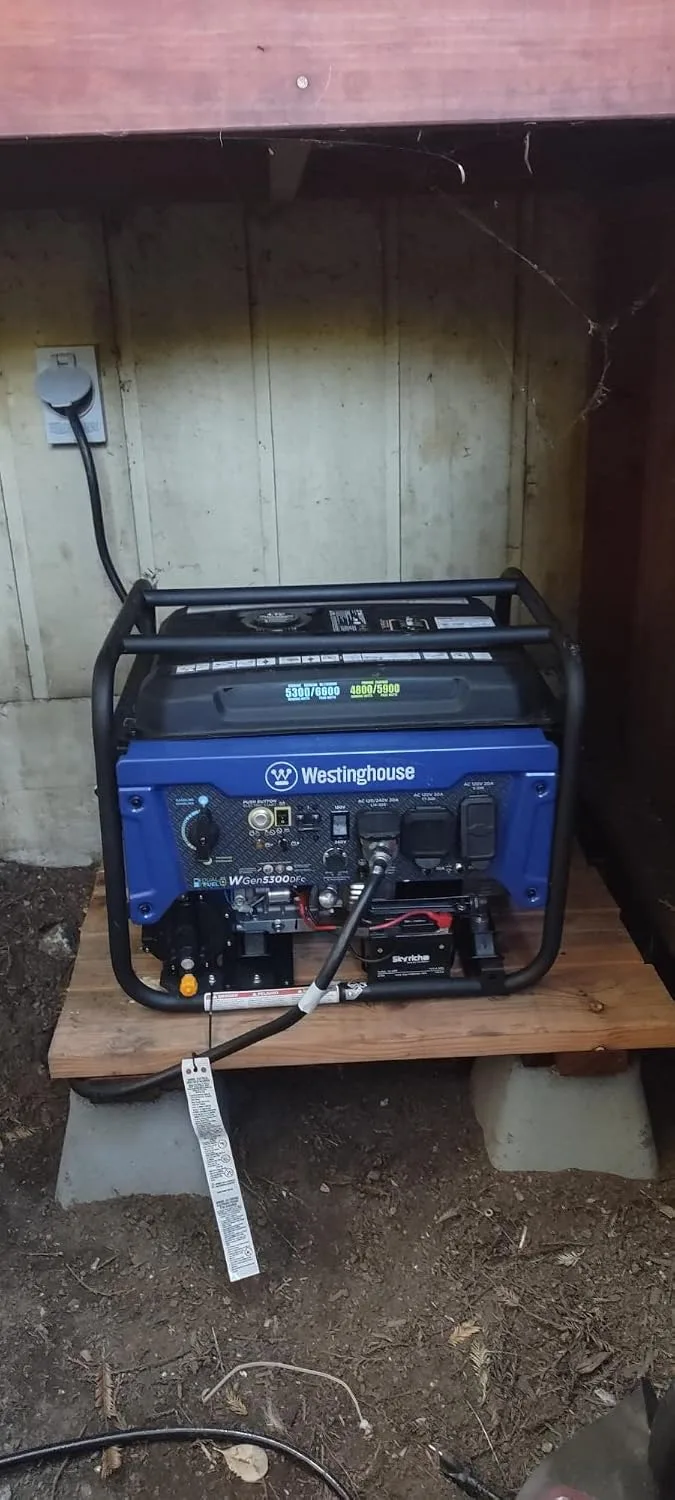
I almost talked a client into a 15,000-watt beast until I actually ran the load calculation—and realized they’d waste $800 a year in fuel costs alone on something they’d never need. The Westinghouse 12500 Watt Dual Fuel Home Backup Portable Generator became my standard recommendation for exactly this reason.
Frequently Asked Questions
What size generator do I need for a 2,000-square-foot home?
It depends on your fuel type and backup level. For gas heat with essential loads, 8,000–10,000 watts usually works. For whole-home backup with electric heat or large AC, aim for 10,000–12,500 watts. Calculate your actual running load first—don’t guess based on house size alone.
Why is a 15,000-watt generator too big for most homes?
Oversizing wastes fuel and money. A generator running under 50% load for extended periods wet stacks—unburned fuel deposits build up and can destroy engines in as little as two years. Right-sizing saves you thousands upfront and in ongoing fuel costs.
Can I run an electric furnace on a portable generator?
A standard electric furnace draws 10,000–15,000 watts and is usually impractical on a portable generator. A heat pump is more efficient at 3,000–5,000 watts and is manageable if sized correctly. Electric-only homes need significantly more generator capacity than homes with gas heat.
What’s the difference between running watts and peak watts?
Running watts is what a generator sustains continuously. Peak watts is what it delivers for a few seconds during motor startup. Size for your continuous load, then verify peak watts handle your largest motor—like an AC compressor—or the breaker will trip every time it starts.
About This Article

Written by Marc Reeves. Marc Reeves is an electrician with 12 years of hands-on residential and light commercial experience. He started Panels & Plugs to help homeowners make smarter decisions about their electrical systems and renewable energy upgrades, including knowing exactly when a job needs a permit and a licensed pro. More about this site.
Scope and limits. Marc is a homeowner who studies residential electrical systems, not an electrician. Anything behind the panel, on a hardwired circuit, or subject to permit and inspection belongs with a licensed electrician.
Verify this against a primary source
Specifics change, and your situation may differ from the one described here. These are the authorities worth checking directly:
- NFPA — the National Electrical Code (NFPA 70)
- Electrical Safety Foundation — residential electrical safety guidance
- CPSC — product recalls and electrical hazard notices