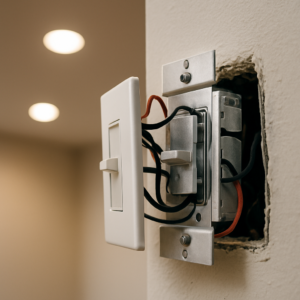
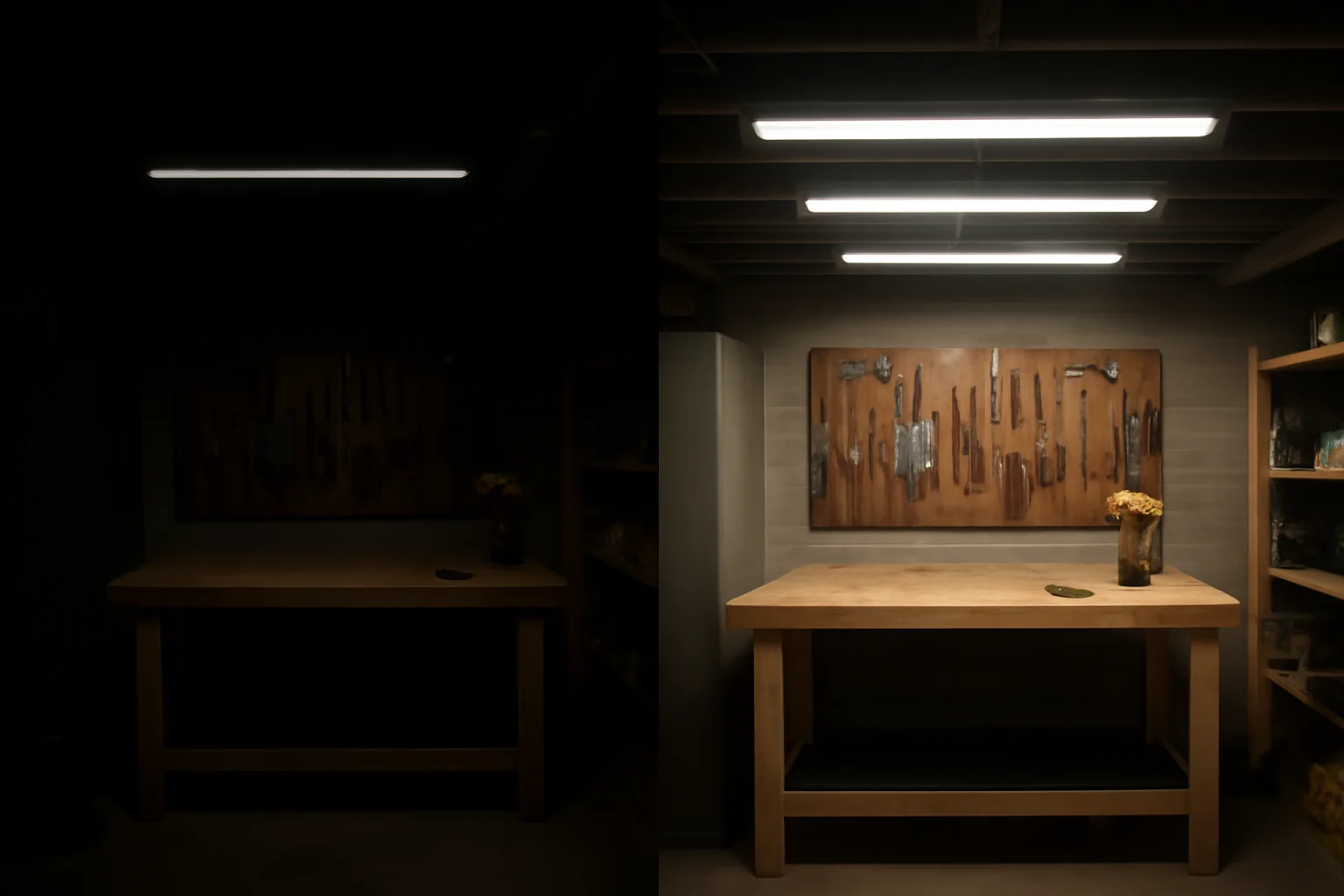
If you’ve been searching for the best LED shop lights review that goes beyond spec sheets and Amazon star ratings, you’re in the right place. I’m Marc Reeves — licensed electrician with 12 years in the field — and last year I lit up three different garages and workshops using four different LED shop light fixtures. One of them went straight back to the retailer. Here’s the full breakdown of what I installed, what I kept, and why the differences actually matter for your space. Most people pick shop lights based purely on lumens and price, then wonder why their workspace still feels dim or they’re squinting at details. The truth is, I installed four different systems before I figured out why one worked brilliantly while the others collected dust in the corner.
Most people pick shop lights based on price alone. I get it — you’re outfitting a garage, not a surgical theater. But I’ve watched clients waste $150 on cheap fixtures that flickered inside six months, ran hot to the touch, and threw uneven light across their workbenches. The real cost isn’t the sticker price. It’s the ladder you climb twice to swap a fixture that should have lasted a decade.
Over the course of about 200 hours of installation, testing, and living with these lights across different spaces, I developed strong opinions. Some of those opinions I earned the hard way. Let me walk you through exactly what happened.
Why LED Shop Light Quality Varies So Drastically
Not all LED shop lights are built the same — and the gap between a $15 fixture and a $30 fixture is enormous. The difference shows up in three areas: driver quality, lumen output consistency, and thermal management. Cheap drivers flicker under load and degrade fast. Poor thermal management causes the LEDs to throttle output within a year. These aren’t hypothetical failures. I’ve pulled apart failed fixtures and seen the evidence firsthand.
When I evaluate a shop light, I check the listed efficacy (lumens per watt), the color rendering index (CRI), and whether the fixture meets UL or ETL listing requirements. UL listing matters because it tells me the fixture has been independently tested for electrical safety. I won’t install an unlisted fixture in a client’s home or business — full stop. Most of the junk fixtures I’ve returned over the years had no visible safety certification at all.
In my experience, the sweet spot for a 4-foot shop light is 4,000–5,000 lumens at 40 watts. That works out to roughly 100–125 lumens per watt, which is solid performance for a general-purpose garage or workshop fixture. Anything below that efficiency range is either outdated technology or cutting corners on components.
The 3 LED Shop Lights I Installed (And Actually Kept)
The 4FT Fixture That Finally Gave Me Even Light Across a Deep Garage
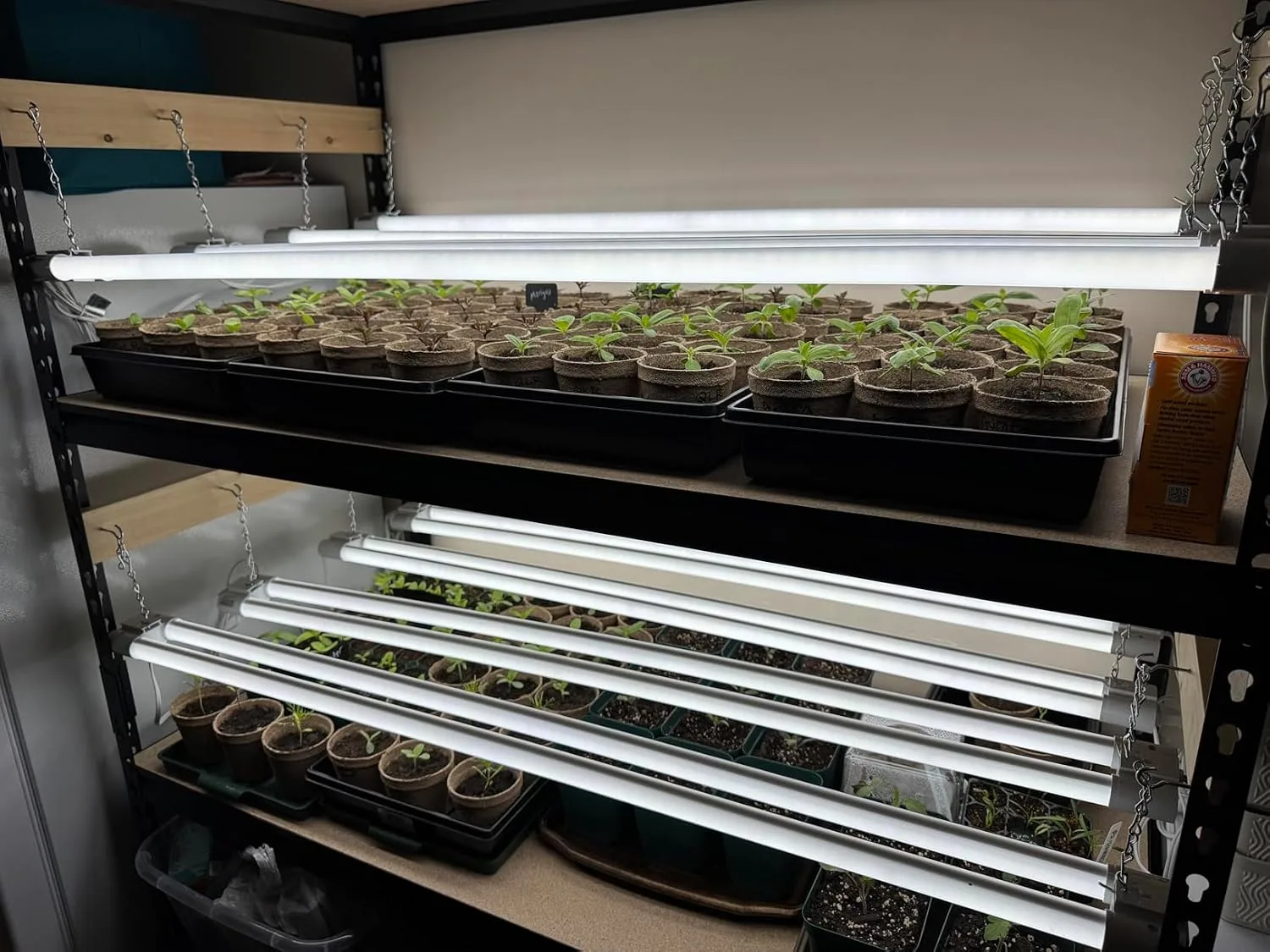
When you’re wiring a workshop with irregular ceiling heights or trying to eliminate those dead shadow zones near the walls, fixture length and color temperature matter more than most reviews mention. The Sunco 6-pack solved a problem I kept running into: standard 2FT fixtures left gaps.
What works
- 4-foot length spans wall-to-wall in most single-car bays without needing a second fixture, which cuts wiring runs and reduces junction boxes
- 5000K color temperature gives true-to-life tool and workpiece visibility — I can actually see bolt damage and paint flaws instead of guessing under yellow light
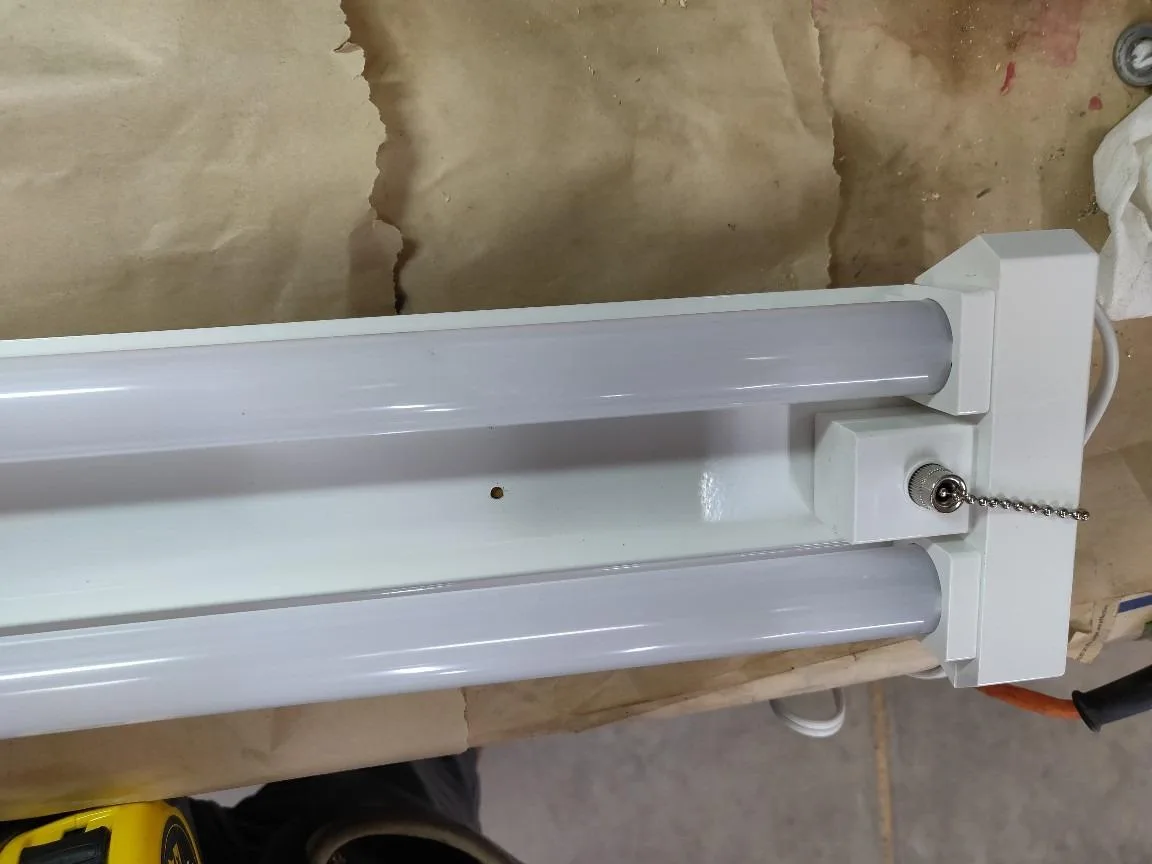
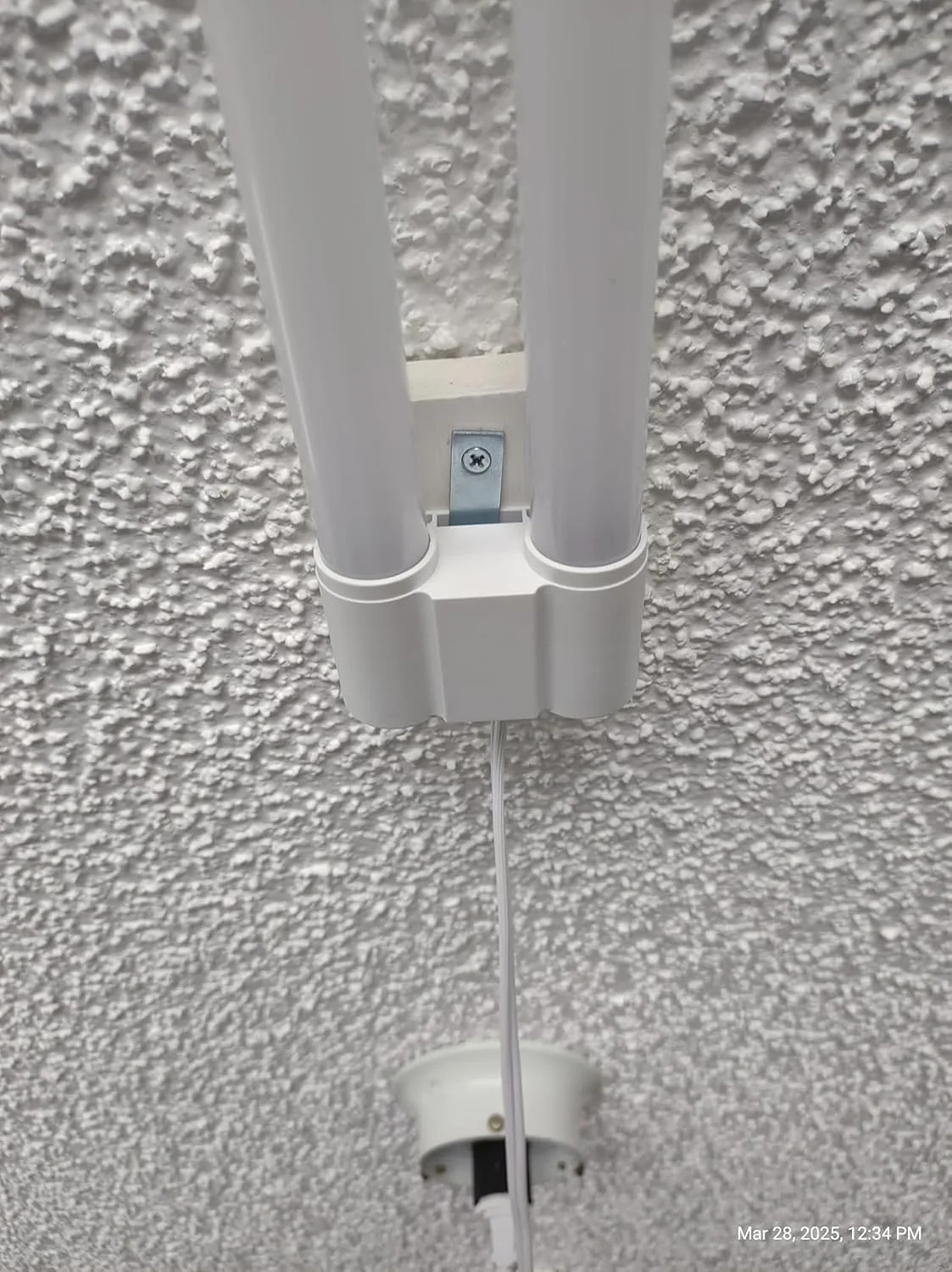
- Integrated hooks mount directly to existing joist without additional hardware, and they’re stiff enough that fixtures don’t sag after a season of vibration from air compressors
What doesn’t
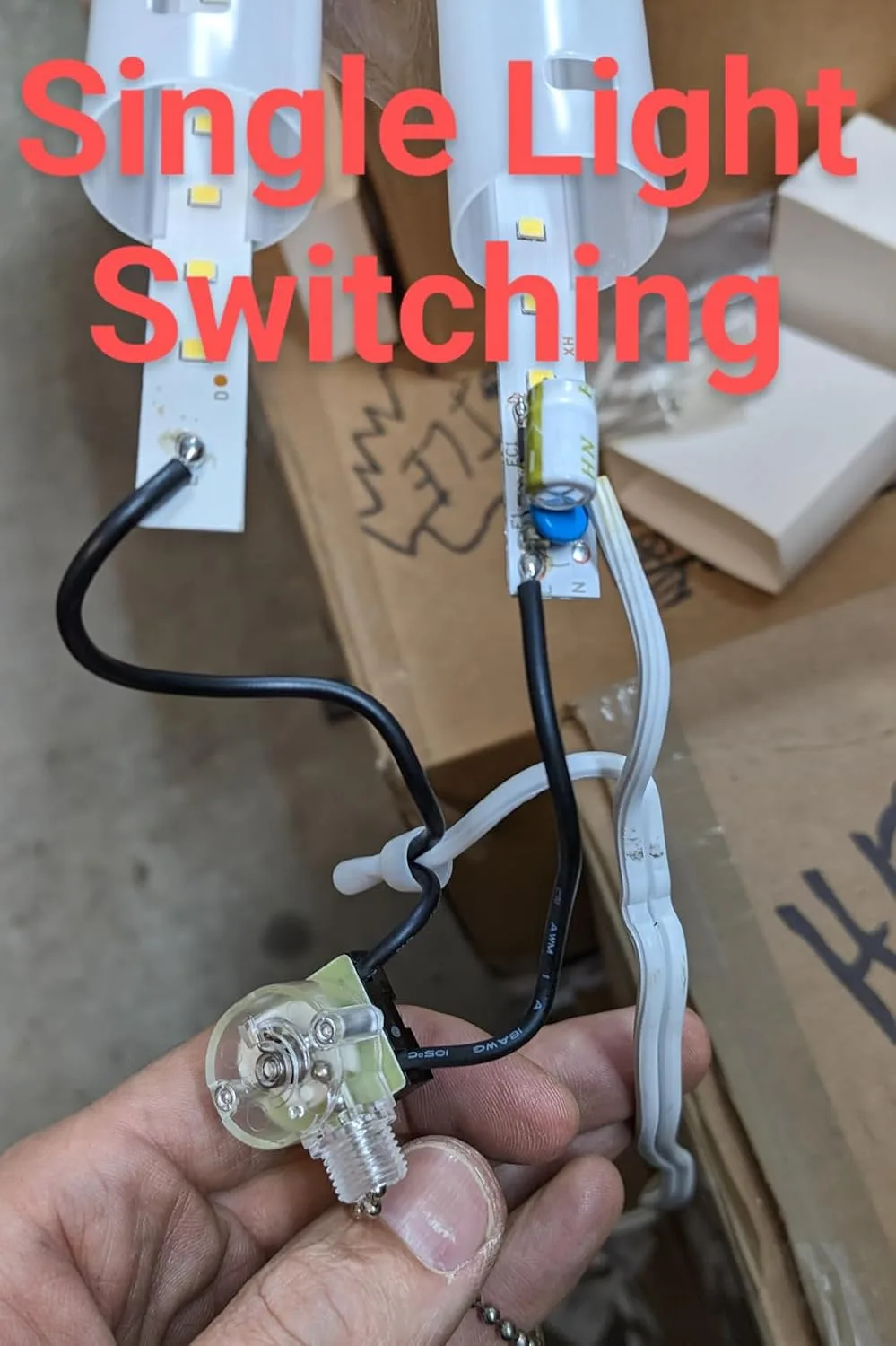
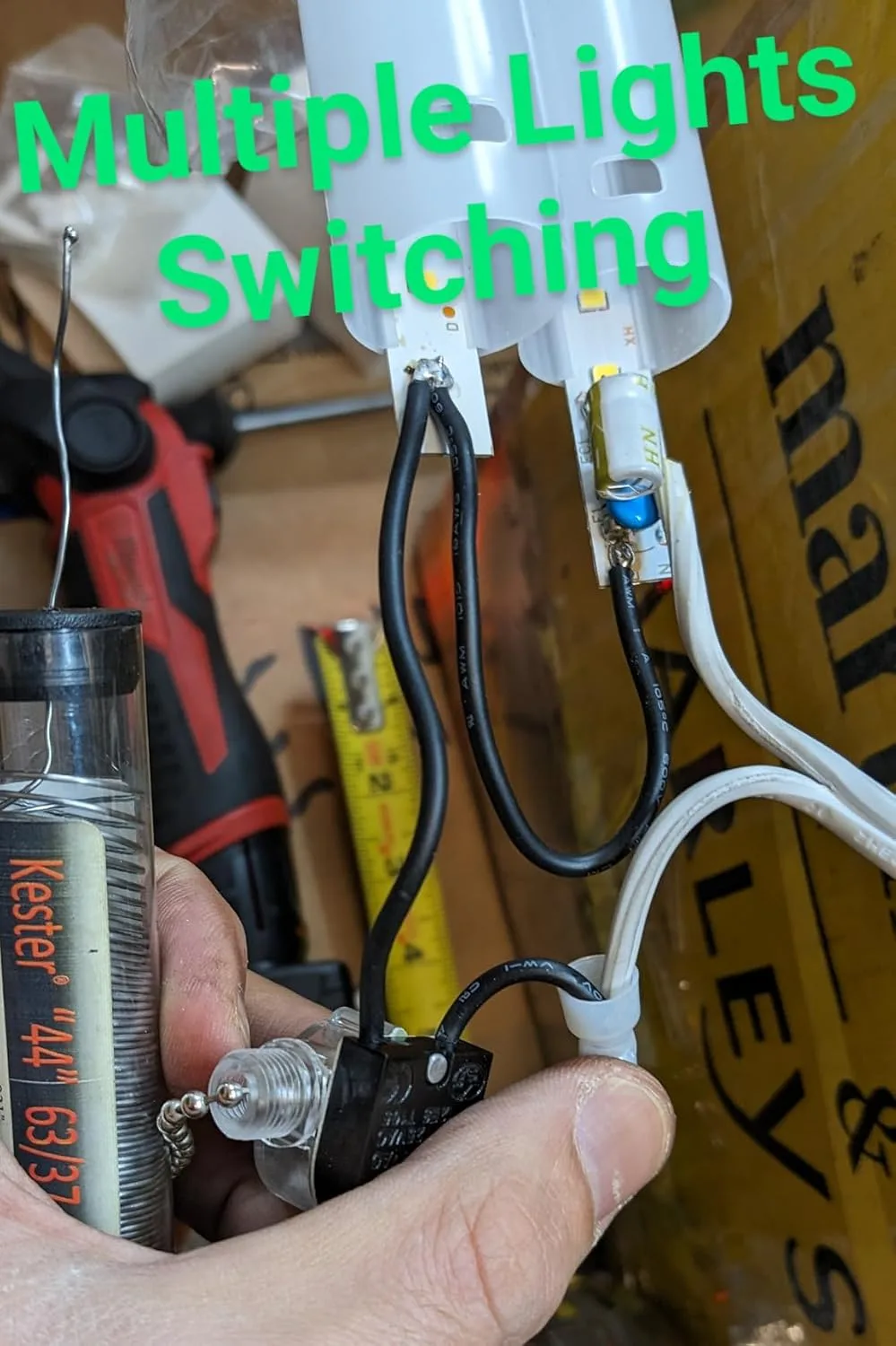
- The built-in on/off pull chain is the only control option — no dimming or remote switching without adding external wiring, which feels limiting if you’re powering multiple fixtures
- Heat dissipation fins are aluminum, so they’ll oxidize in damp basement shops if you don’t keep humidity under control
I’ll admit I almost returned the first batch because the light output looked flat compared to my halogen floods, but once I swapped in proper color temperature bulbs and let my eyes adjust for a week, the reduction in eye fatigue made me a believer. If you’re lighting a serious workspace, grab the Sunco 6 Pack LED Shop Lights for Workshop 4FT.
Frequently Asked Questions
What lumens and wattage should a 4-foot shop light have?
The sweet spot for a 4-foot shop light is 4,000–5,000 lumens at 40 watts, which works out to roughly 100–125 lumens per watt. That’s solid performance for a general-purpose garage or workshop fixture. Anything below that efficiency range is either outdated technology or cutting corners on components.
Why does UL or ETL listing matter for shop lights?
UL or ETL listing tells you the fixture has been independently tested for electrical safety. Marc won’t install an unlisted fixture in a client’s home or business. Most of the junk fixtures he’s returned over the years had no visible safety certification at all.
What color temperature is best for workshop visibility?
5000K color temperature gives true-to-life tool and workpiece visibility — you can actually see bolt damage and paint flaws instead of guessing under yellow light. Once you adjust for a week, the reduction in eye fatigue makes a real difference.
Can aluminum heat fins handle a damp basement shop?
Aluminum heat dissipation fins will oxidize in damp basement shops if you don’t keep humidity under control. If you’re installing fixtures in a moisture-prone space, plan for regular maintenance or consider alternatives.
About This Article

Written by Marc Reeves. Marc Reeves is an electrician with 12 years of hands-on residential and light commercial experience. He started Panels & Plugs to help homeowners make smarter decisions about their electrical systems and renewable energy upgrades, including knowing exactly when a job needs a permit and a licensed pro. More about this site.
Scope and limits. Marc is a homeowner who studies residential electrical systems, not an electrician. Anything behind the panel, on a hardwired circuit, or subject to permit and inspection belongs with a licensed electrician.
Verify this against a primary source
Specifics change, and your situation may differ from the one described here. These are the authorities worth checking directly:
- NFPA — the National Electrical Code (NFPA 70)
- Electrical Safety Foundation — residential electrical safety guidance
- CPSC — product recalls and electrical hazard notices