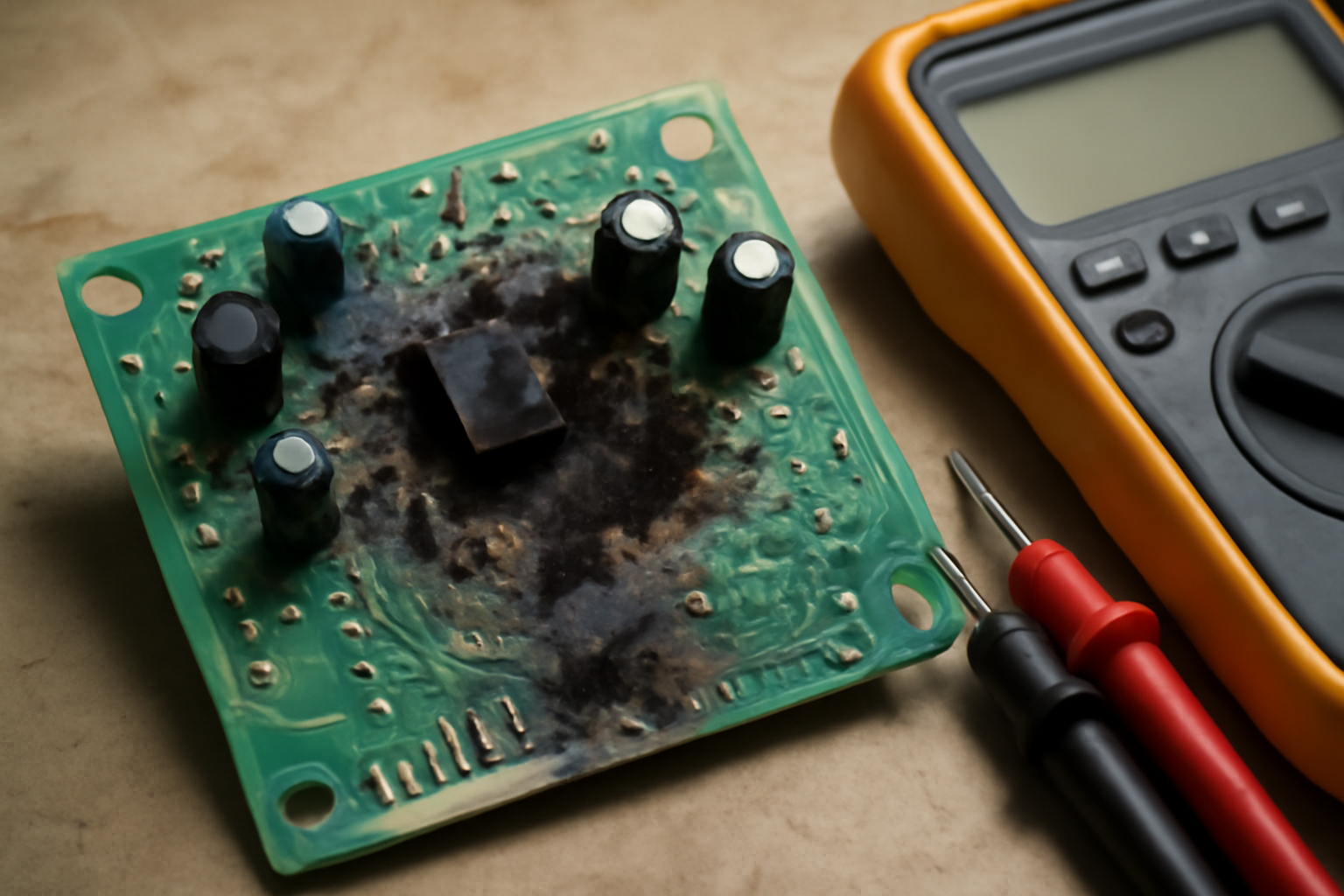
Surge damage prevention is one of those topics I bring up on almost every home inspection I do — and almost every homeowner looks at me like I’m overselling them something. Then I show them the fried circuit board inside their HVAC control unit, or the dead smart TV that stopped working two weeks after a summer storm. I installed one of these after I had a close call where a nearby lightning strike nearly fried a customer’s entire AC unit—they were $6,000 from a replacement that their homeowner’s policy wouldn’t fully cover—and that’s when I realized I’d been half-protecting my own panel for years. Suddenly they’re listening. In 16 years of residential electrical work, I’ve seen surge damage wipe out thousands of dollars in appliances, HVAC systems, and smart-home equipment. The worst part? Every single one of those losses was preventable.
Most people think a power strip with a built-in surge protector is enough. It isn’t. Point-of-use strips help at the device level, but they don’t stop a 6,000-volt transient from riding your service entrance into the panel and branching out to every circuit in the house. I’ve tested plenty of strips that showed the indicator light still glowing green long after the MOV (metal oxide varistor) inside had completely sacrificed itself. Homeowners had no idea they were unprotected. That’s the problem with relying on the last line of defense.
This post covers the specific types of surge damage I encounter most often in the field, what causes them, and exactly what I recommend to prevent them — based on real installs, real inspections, and yes, a few hard lessons I learned on my own.
The Four Types of Surge Damage I See Most in Residential Homes
1. HVAC Control Board Failures
This is the number one surge-related loss I see during home inspections. HVAC control boards are surprisingly vulnerable. Modern variable-speed air handlers and heat pumps use sophisticated microprocessor-based controls that can be destroyed by a voltage spike as small as 400 volts. Last summer, I inspected a home in central Georgia where the homeowner had replaced their Carrier control board twice in three years. Each replacement ran them $380–$500 in parts alone, not counting the service call. Nobody had ever mentioned whole-home surge protection to them.
The cause was almost certainly repetitive low-level surges — not lightning. Internally generated transients from the compressor motor cycling on and off create spikes that degrade sensitive electronics over time. NEC 2020 Section 230.67 now requires surge protection at the service equipment for new construction precisely because this kind of damage is so common. That code change wasn’t arbitrary — it reflects what electricians and inspectors like me have been documenting for years.
2. Smart Appliance and Home Automation Damage
Smart refrigerators, ranges with Wi-Fi controls, smart thermostats, and whole-home automation systems are everywhere now. They’re also extremely surge-sensitive. I inspected a new construction home last spring where a single lightning strike on a nearby utility pole took out the homeowner’s smart refrigerator control board, two Lutron smart switches, and a Nest thermostat — roughly $1,200 in damage total. The home was less than two years old. There was zero whole-home surge protection installed.
Manufacturers often void warranties on smart appliances if damage is attributed to a power surge. That’s a detail most homeowners don’t discover until they’re filing the claim. Point-of-use protectors on individual devices help, but they can’t stop a surge that hits the service entrance and propagates before those strips even react. A whole-panel device clamps the transient at the source.
3. Washer and Dryer Control Electronics
Front-load washers and modern dryers now have electronic control boards that look more like a computer motherboard than an appliance component. I’ve inspected dozens of homes where the washing machine “just stopped working” after a storm. In several cases, the motor and drum were perfectly fine — just the control board was fried. Replacement boards for high-end washers can run $200–$400 and often require a service technician to install, pushing total repair costs past $600.
These appliances run on dedicated 240V circuits, which means a surge on either leg hits the control electronics hard. That said, I’ve also seen damage on the 120V leg of a 240V circuit wipe out just the control board while leaving the motor intact. A properly rated whole-panel SPD handles both legs simultaneously.
4. Entertainment and Computer Equipment
TVs, gaming systems, computers, and home theater receivers are the surge victims homeowners notice first — mainly because they use them every day. I’ve seen 65-inch smart TVs go dark after a storm, along with the AV receivers and streaming devices connected to the same entertainment wall. Point-of-use strips with MOV protection do offer a first layer of defense here. However, without whole-panel protection upstream, you’re still betting everything on that strip’s joule rating holding up against a direct transient.
In my experience, the layered approach works best: a whole-panel SPD at the service equipment plus quality point-of-use protectors at sensitive equipment. Both layers together give you genuine protection. Neither one alone is sufficient for a high-value entertainment setup.
What Actually Causes Surges — And Why Most Homes Are Exposed
Here’s what surprises most homeowners: only about 20% of damaging surges come from lightning. The other 80% are internally generated. Every time a large motor-driven load — your HVAC compressor, refrigerator, or well pump — switches on or off, it creates a voltage transient on the line. These surges are small individually, but they’re relentless. Over months and years, they degrade the semiconductors inside your appliances the way water erodes stone.
External surges from utility switching and nearby lightning strikes are the dramatic ones — the kind that kill a TV overnight. Utility companies switch capacitor banks and transformer loads regularly, and each switching event sends a transient down the line. If you’re within a mile of a lightning strike, you can get induced voltage on your service entrance even without a direct hit. I’ve documented panels with no visible arc damage where connected appliances were completely destroyed.
NEC 2020 addressed this directly with the Section 230.67 requirement. Many jurisdictions haven’t adopted that edition yet, which means most existing homes have no whole-panel protection at all. In my 16 years, I’ve inspected fewer than one in ten homes that had an SPD installed at the panel. That number is improving slowly, but it’s still a glaring gap in residential electrical protection.
The Panel-Level Surge Protector That Actually Stops the Damage Before It Spreads
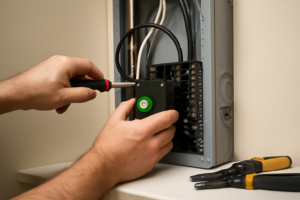
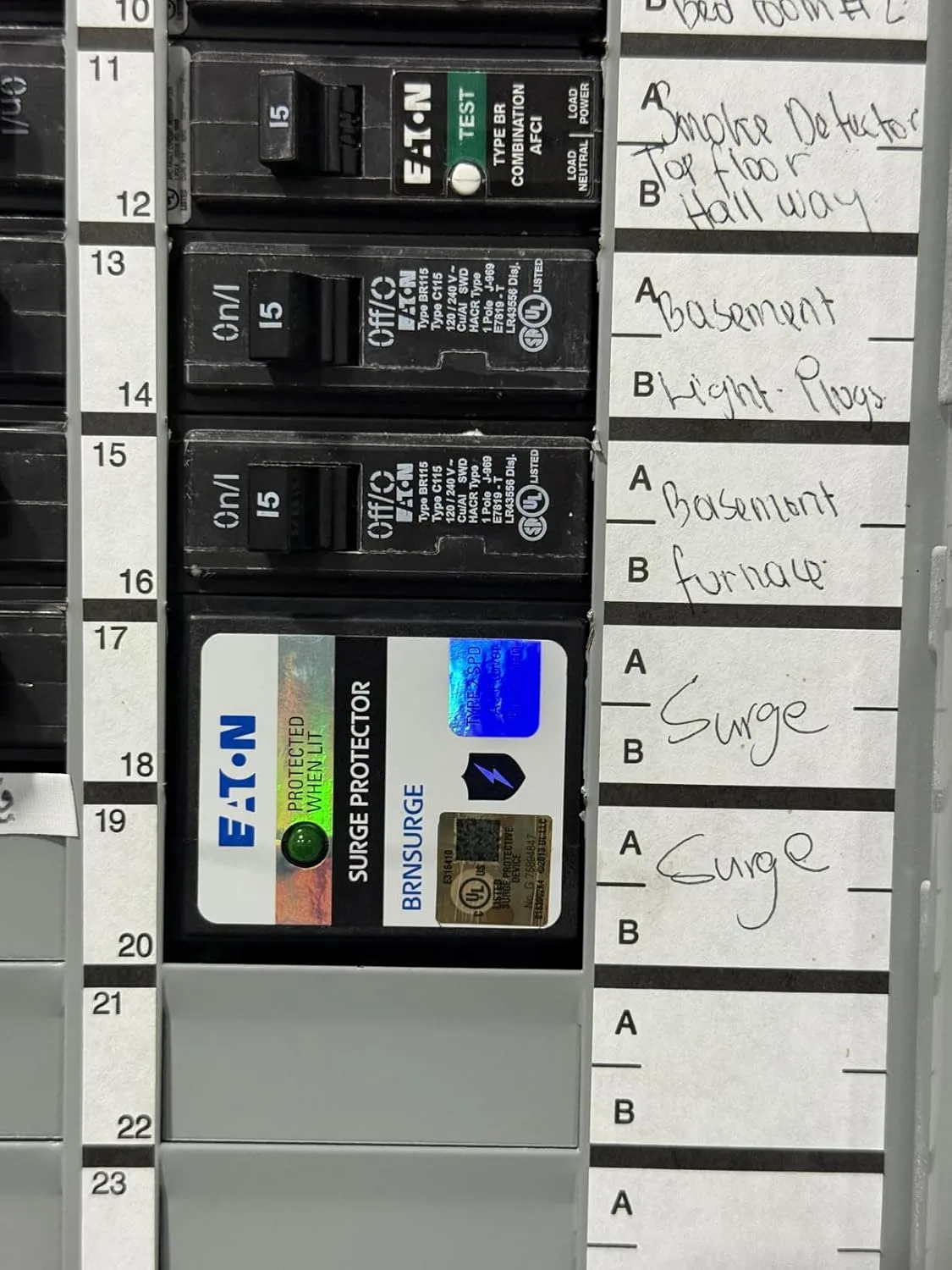
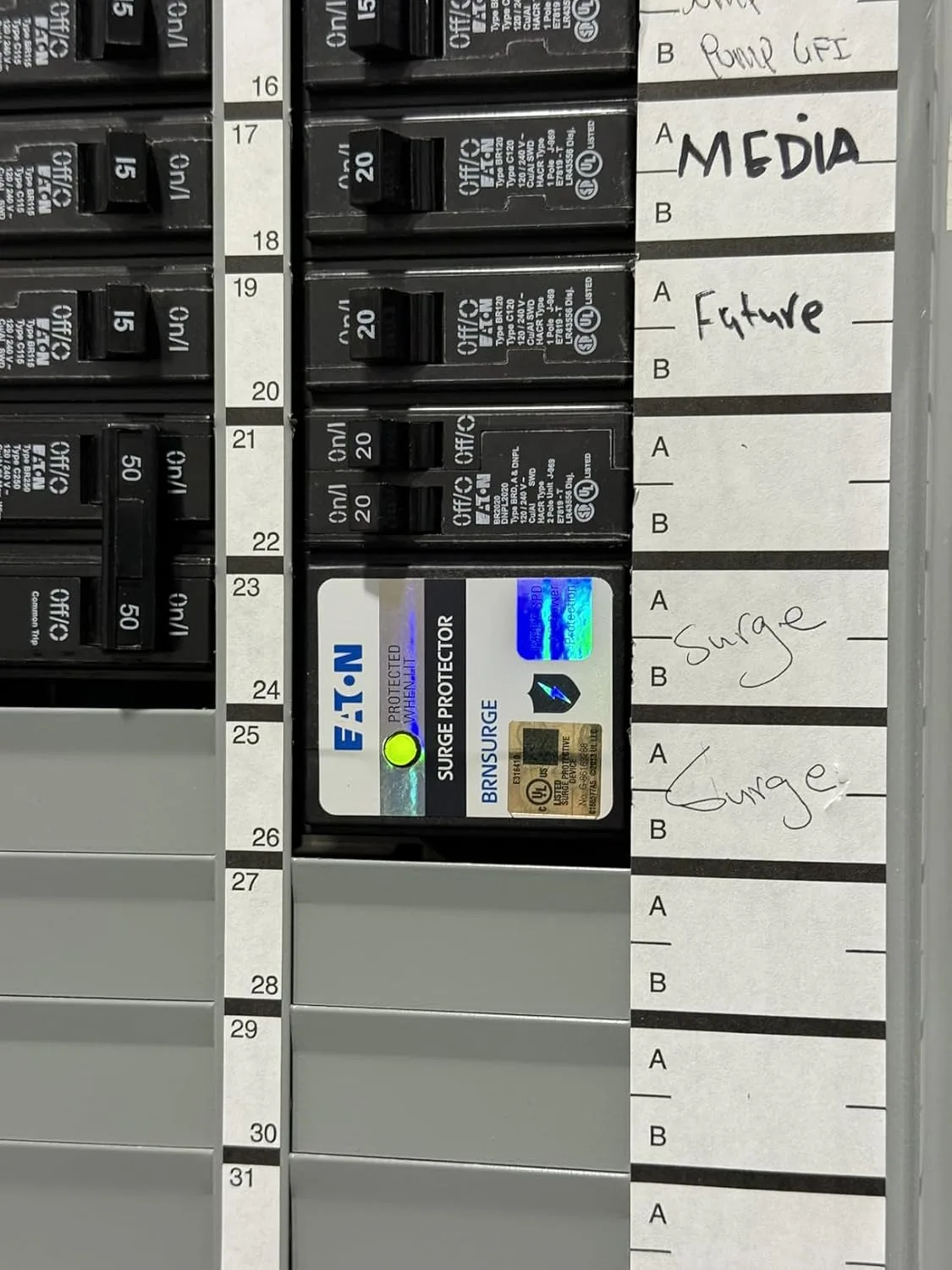
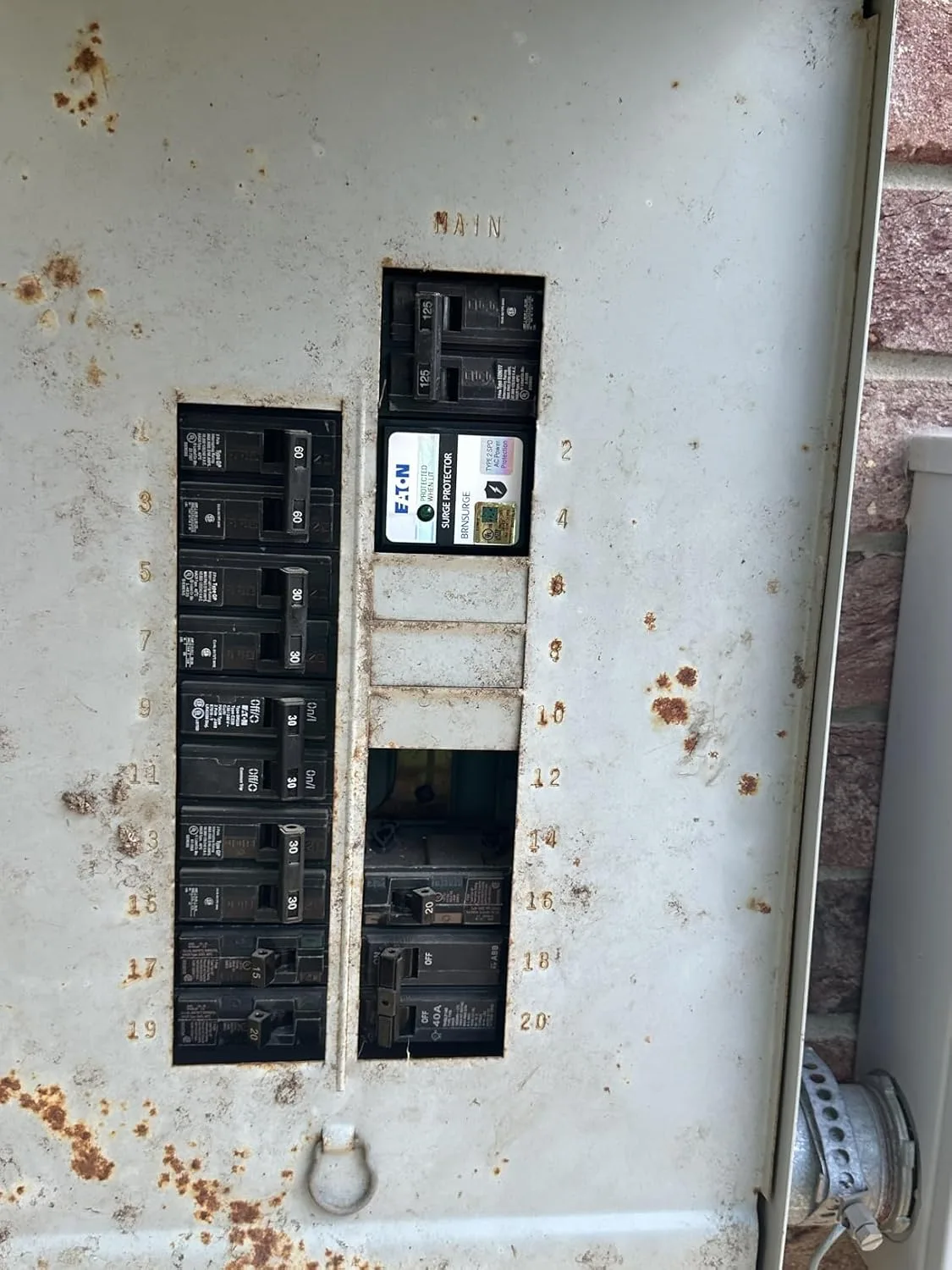
Most homeowners install point-of-use surge protectors on power strips and outlets, which is better than nothing—but it’s like putting a Band-Aid on a lightning strike. If you want to stop surge damage at the source before it even reaches your HVAC board, TV, or refrigerator, you need protection at the main panel.
What works
- Intercepts surges from lightning and utility switching right at the breaker box, protecting every circuit downstream instead of fighting fires individually
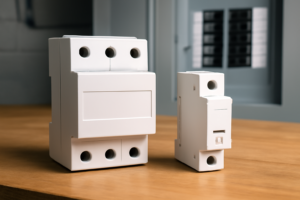
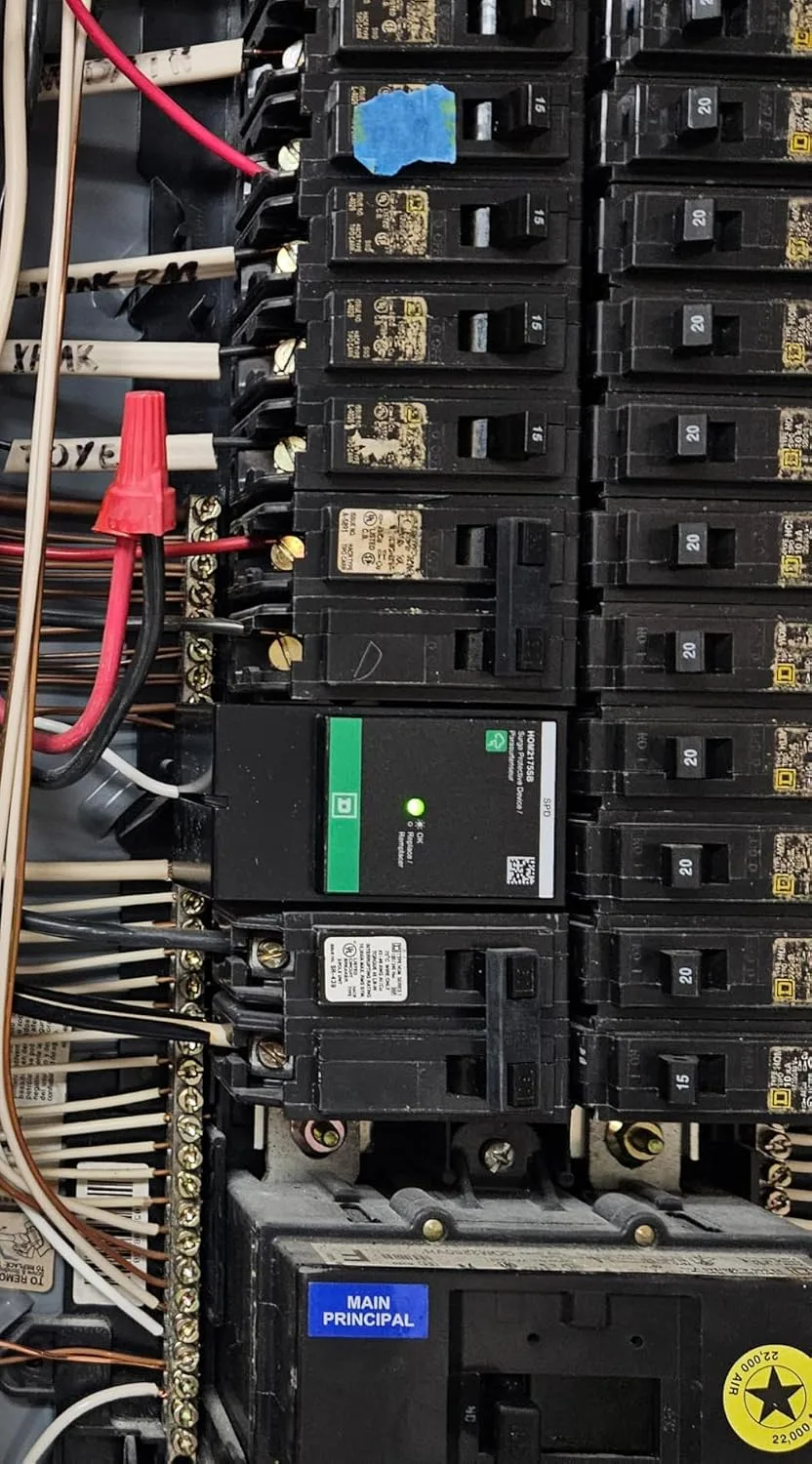
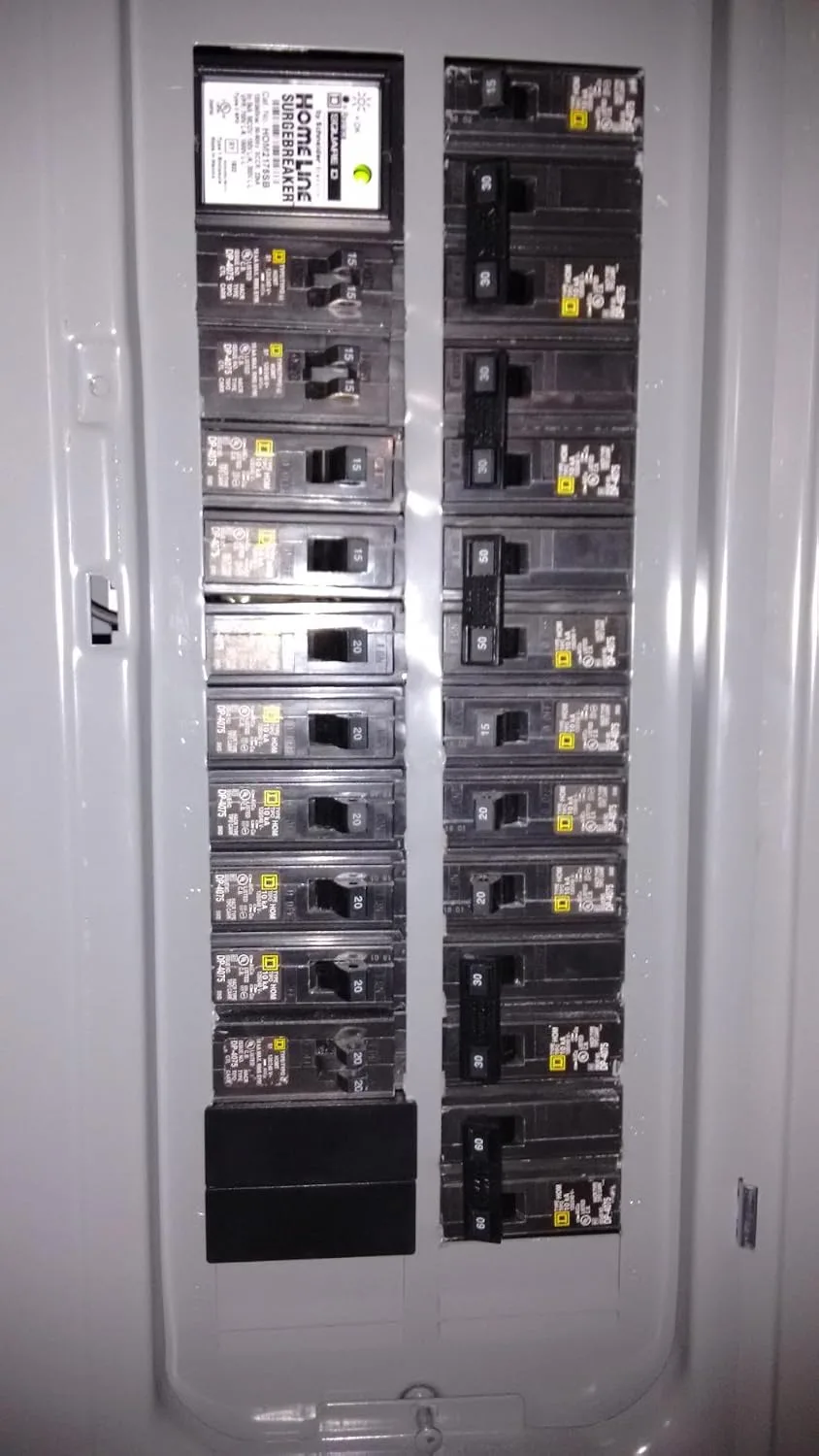
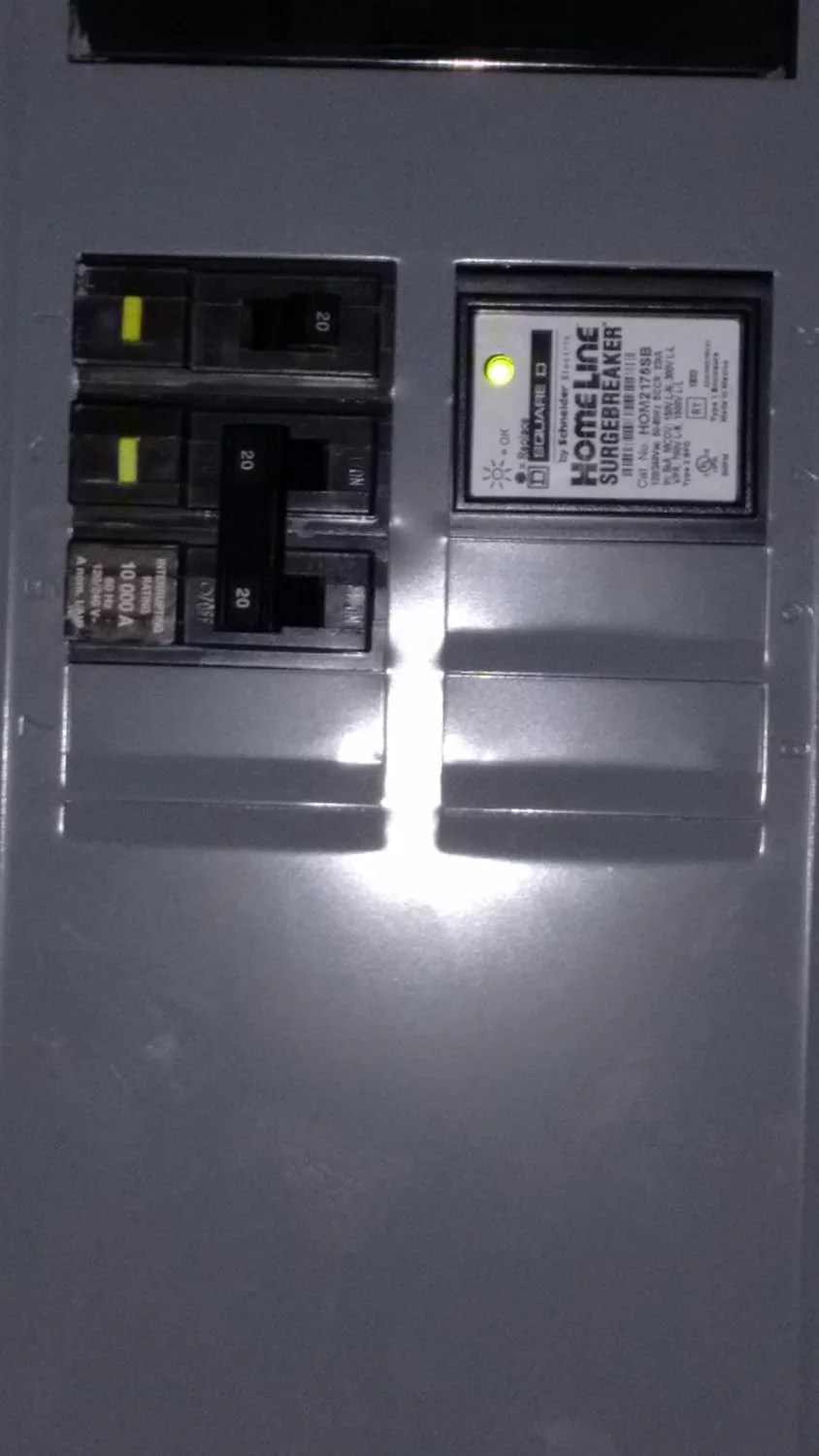
- Installs as a single breaker slot—no separate box or wiring nightmare, and it plays nicely with modern homeline panels
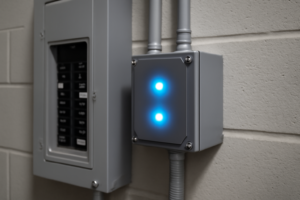
- You can actually verify it’s working by checking for the indicator light, which gives you real peace of mind after a storm instead of guessing whether your gear survived
What doesn’t
- Costs more upfront than a handful of outlet protectors, and requires a panel visit if you’re not comfortable swapping breakers yourself
- Won’t help with surges that originate inside your home—it’s strictly for external threats, so you still need outlet protection on high-value gear like TVs and servers
I installed one of these after I had a close call where a nearby lightning strike nearly fried a customer’s entire AC unit—they were $6,000 from a replacement that their homeowner’s policy wouldn’t fully cover—and that’s when I realized I’d been half-protecting my own panel for years. Grab a Square D by Schneider Electric HOM2175SB Homeline SurgeBreaker and stop showing homeowners the fried circuit boards.
This post contains affiliate links. As an Amazon Associate, I earn from qualifying purchases at no extra cost to you.
This post contains affiliate links. As an Amazon Associate, I earn from qualifying purchases at no extra cost to you.